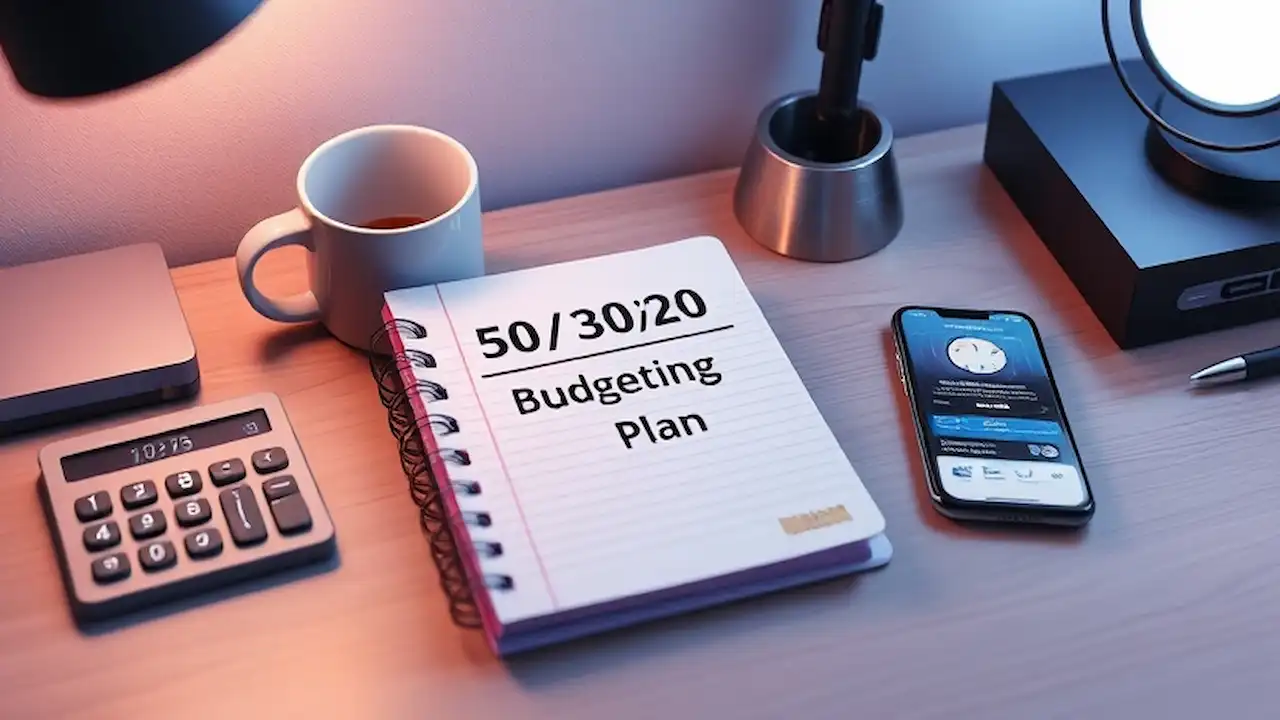
Creating a budget is one of the most powerful steps you can take toward achieving financial freedom. However, for beginners, the process may seem intimidating or overly complicated. The good news is that budgeting doesn’t have to be difficult. With simple strategies and actionable steps, you can take control of your money, reduce financial stress, and work toward your goals. This guide will walk you through the essentials of budgeting and introduce one of the easiest methods—the 50/30/20 rule.
What Is Budgeting and Why Is It Important?
Budgeting is the process of creating a plan to manage your income and expenses. A well-structured budget ensures that your spending aligns with your financial goals, helping you save money, pay off debt, and avoid unnecessary stress. For beginners, budgeting lays the foundation for smart money management and long-term financial success.
Key Benefits of Budgeting
- Control Over Finances: Understand where your money is going and how to allocate it effectively.
- Achieve Goals: Save for big purchases, retirement, or emergencies.
- Reduce Debt: Create a plan to tackle and eliminate debt.
- Build Confidence: Gain financial security and reduce anxiety about money.
Steps to Create a Budget
1. Calculate Your Income
Start by determining your total monthly income, including salary, freelance work, or side hustle earnings. Knowing your exact income helps set realistic limits for your spending.
2. Track Your Expenses
Keep a record of all your expenses for at least a month. Categorize them into fixed costs (e.g., rent, utilities) and variable costs (e.g., dining out, shopping). Tools like budgeting apps or simple spreadsheets can make this step easier.
3. Set Clear Financial Goals
Define your short-term and long-term goals. For instance:
- Short-term: Save $500 for an emergency fund in 3 months.
- Long-term: Save $10,000 for a home down payment in 3 years.
4. Choose a Budgeting Method
Decide on a budgeting strategy that fits your needs. The 50/30/20 rule, explained below, is a great choice for beginners due to its simplicity.
5. Review and Adjust
Regularly review your budget to ensure it’s working for you. Make adjustments as your income or expenses change.
50/30/20 Rule: The Simplest Budgeting Method Explained
The 50/30/20 rule is a straightforward budgeting framework that divides your after-tax income into three main categories:
1. 50% for Needs
This category covers essential expenses that you cannot live without. Examples include:
- Rent or mortgage payments.
- Utilities (electricity, water, internet).
- Groceries.
- Transportation costs.
- Insurance premiums.
By keeping these expenses within 50% of your income, you ensure that your basic needs are covered without overspending.
2. 30% for Wants
Wants include non-essential expenses that enhance your lifestyle. These might be:
- Dining out or ordering takeout.
- Entertainment (movies, concerts, subscriptions).
- Hobbies and leisure activities.
- Travel and vacations.
This category allows you to enjoy life without guilt, as long as you stay within the allocated 30%.
3. 20% for Savings and Debt Repayment
The final 20% of your income goes toward building your future financial security. Use this portion to:
- Save for emergencies.
- Contribute to retirement accounts.
- Pay off credit card debt or loans.
- Invest in the stock market or other growth opportunities.
This category ensures you’re consistently saving and reducing liabilities, building a solid financial foundation.
How to Implement the 50/30/20 Rule
- Determine Your After-Tax Income: Subtract taxes, insurance, and other deductions from your gross income.
- Calculate Allocations: Multiply your after-tax income by 0.5, 0.3, and 0.2 to determine how much you can spend in each category.
- Track Spending: Monitor your expenses to ensure you’re staying within the limits for each category.
Tips for Sticking to Your Budget
Automate Savings
Set up automatic transfers to your savings or investment accounts to ensure consistency.
Use Budgeting Tools
Apps like Mint, YNAB, or PocketGuard make tracking your spending and managing budgets easier.
Cut Back on Unnecessary Expenses
Identify areas where you can reduce spending. For example, cook meals at home instead of eating out.
Review Monthly
Revisit your budget each month to track progress and make adjustments for unexpected expenses.
Common Budgeting Mistakes to Avoid
1. Ignoring Small Expenses
Small expenses, like daily coffee or impulse purchases, can add up quickly and derail your budget.
2. Setting Unrealistic Goals
A budget that’s too restrictive is hard to maintain. Be realistic about your needs and lifestyle.
3. Forgetting to Save for Emergencies
Without an emergency fund, unexpected costs can throw your finances off track.
4. Not Tracking Spending
Failing to monitor your expenses makes it easy to overspend without realizing it.
Budgeting for Beginners: A Sample Plan
Let’s assume you earn $3,000 per month after taxes. Here’s how the 50/30/20 rule might look:
- 50% Needs: $1,500 (rent, utilities, groceries).
- 30% Wants: $900 (dining out, hobbies, entertainment).
- 20% Savings/Debt: $600 (emergency fund, investments, debt repayment).
This structure provides a balanced approach to managing your finances while allowing flexibility for enjoyment and future planning.
Conclusion
Budgeting is the cornerstone of financial success. For beginners, the 50/30/20 rule offers a simple and effective framework to manage income and expenses. By allocating money for needs, wants, and savings, you can achieve financial stability, reduce stress, and work toward your goals. Start today, track your progress, and adjust as needed to make budgeting a lifelong habit.
Leave a Reply