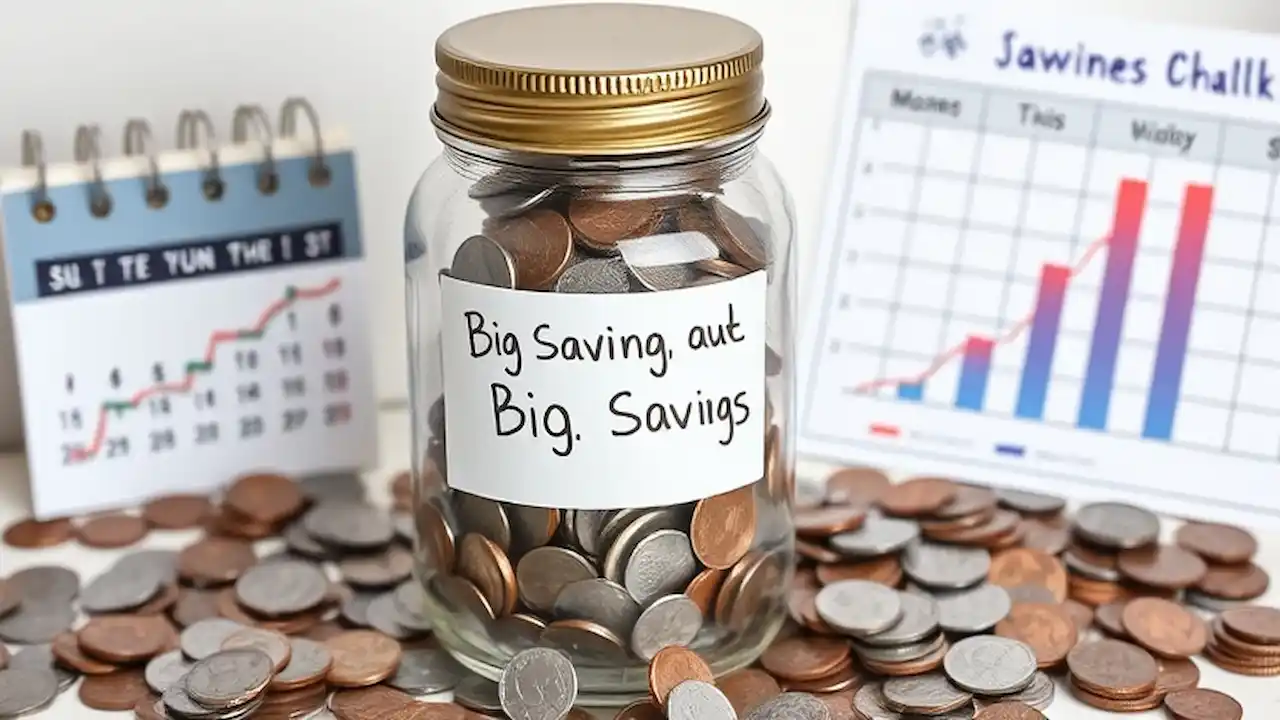
Saving for a big purchase can feel overwhelming, but it doesn’t have to be stressful. With careful planning, a disciplined approach, and a positive mindset, you can achieve your financial goals without putting undue pressure on yourself. Whether it’s a car, a home, or a dream vacation, this step-by-step guide will help you save for that significant expense efficiently and calmly.
1. Define Your Goal Clearly
Be Specific
The first step to saving is knowing exactly what you’re saving for. Specify the item or experience, its cost, and any additional expenses involved, like taxes, shipping, or maintenance fees.
Set a Timeline
Determine when you want to make the purchase. A clear deadline will help you calculate how much you need to save each week or month.

2. Break Down the Goal
Calculate the Savings Amount
Divide the total cost by the number of months or weeks until your target date. For example, if your goal is $10,000 in a year, you’ll need to save about $833 per month.
Set Smaller Milestones
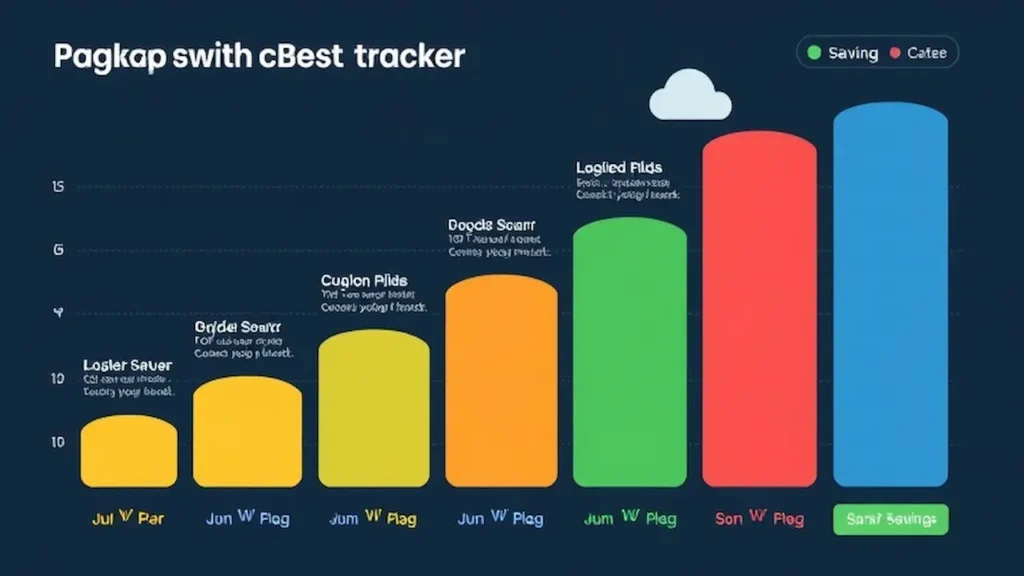
Break your goal into smaller, manageable milestones. Celebrate reaching $2,000, $5,000, or other incremental achievements to stay motivated.
3. Create a Dedicated Savings Account
Open a Separate Account
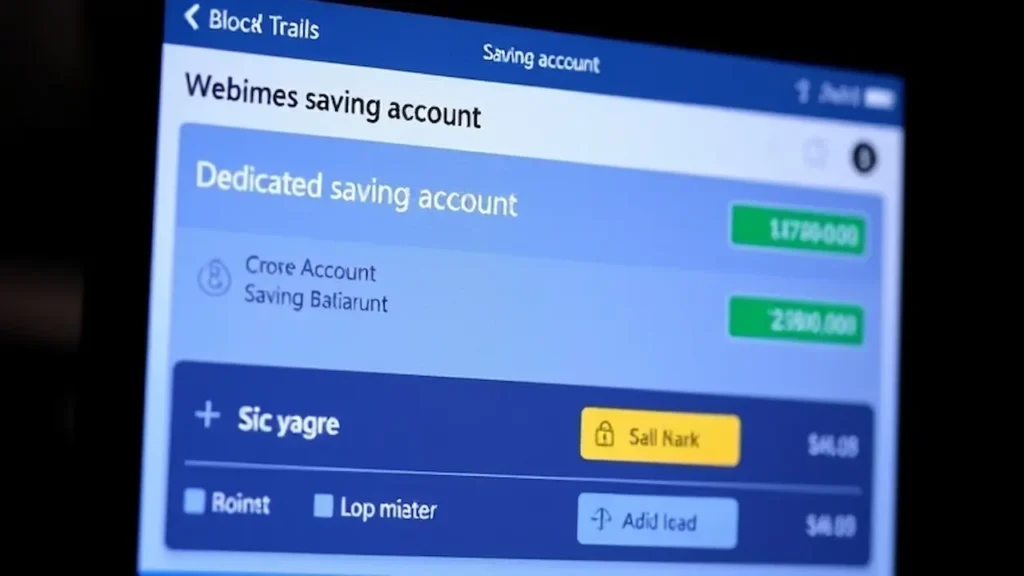
Keep your savings for the big purchase separate from your regular funds. This reduces the temptation to spend and helps you track progress more easily.
Use High-Interest Accounts
Opt for a high-yield savings account to earn extra money on your deposits. Even small amounts of interest can add up over time.
Image Prompt: A bank account screen showing a dedicated savings account with a growing balance.
4. Automate Your Savings
Set Up Automatic Transfers
Schedule automatic transfers from your main account to your savings account on payday. This ensures you consistently save without thinking about it.
Round Up Your Purchases
Use apps or banking features that round up purchases to the nearest dollar and deposit the difference into your savings.

5. Adjust Your Budget
Identify Non-Essentials
Review your spending habits and identify areas where you can cut back, such as dining out, subscriptions or impulse buys.
Prioritize the Goal
Make your big purchase a priority in your budget. Allocate funds to savings before covering non-essential expenses.
6. Find Creative Ways to Save More
Take on a Side Hustle
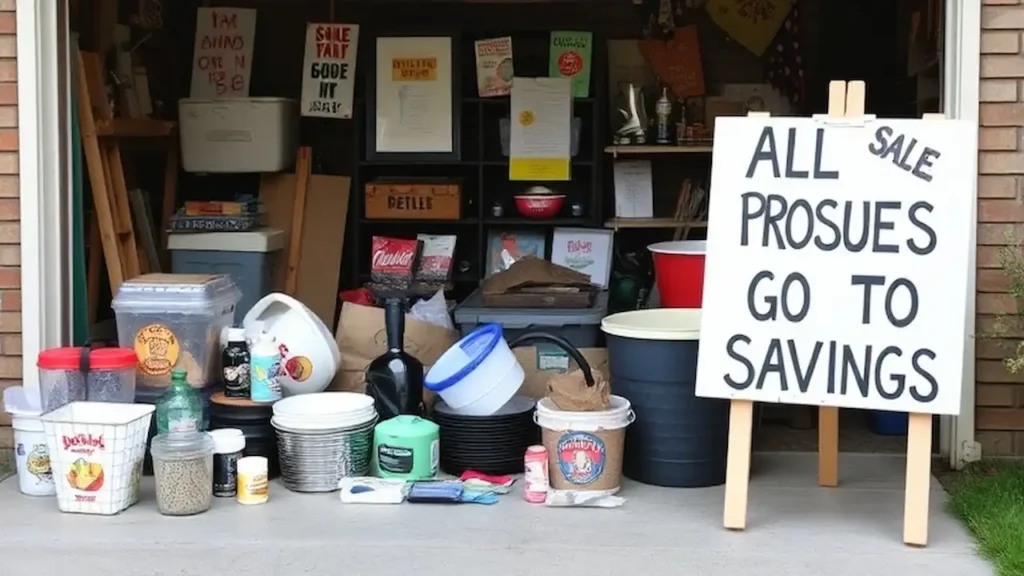
Earn extra income by freelancing, tutoring, or selling unused items. Channel all additional earnings directly into your savings.
Sell Unwanted Items
Declutter your home and sell items you no longer need. Online platforms like eBay or Facebook Marketplace can help you make quick cash.
7. Avoid Unnecessary Debt
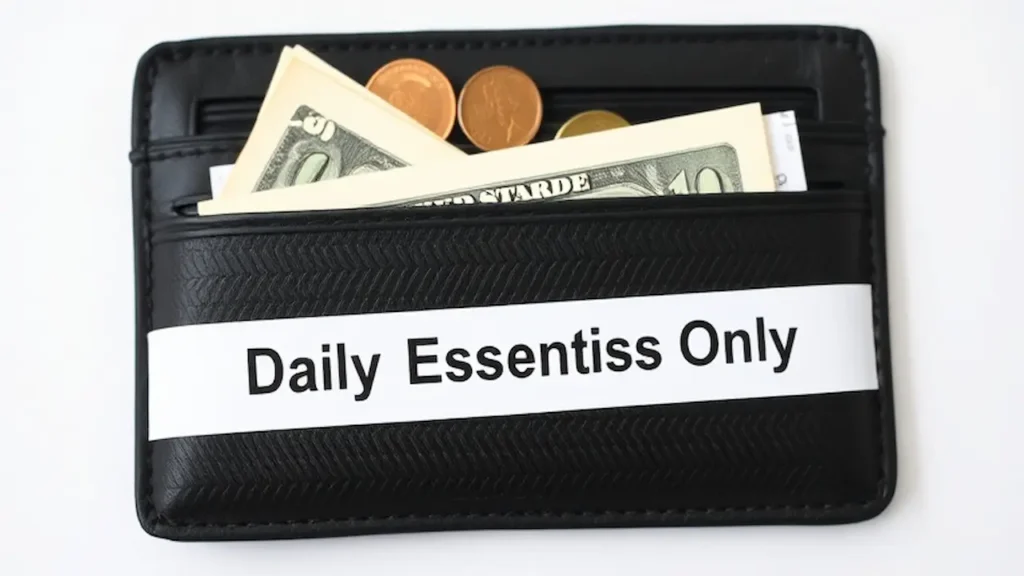
Use Cash or Debit for Daily Expenses
Limit credit card use to avoid accumulating debt while saving. This ensures your focus remains on building funds instead of paying off loans.
Delay Smaller Splurges
Postpone non-essential purchases, like new gadgets or fancy dinners, until after achieving your savings goal.
8. Stay Motivated and Flexible
Visualize Your Goal
Keep a visual reminder of your big purchase, like a photo on your phone or a sticky note on your desk, to maintain focus.
Be Prepared for Setbacks
Unexpected expenses may arise. Stay flexible and adjust your savings plan as needed, but don’t lose sight of your goal.

9. Take Advantage of Windfalls
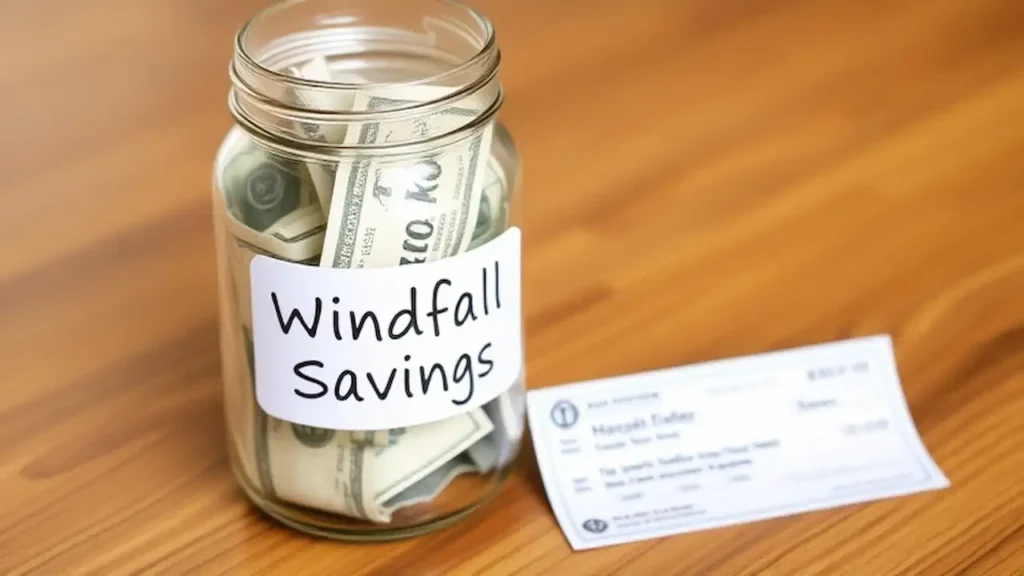
Save Unexpected Money
Deposit bonuses, tax refunds, or gift money into your savings account instead of spending it. These windfalls can fast-track your progress.
Cash In Rewards
If you use a rewards credit card, redeem points for discounts or cashback and apply them toward your goal.
10. Celebrate Achievements Along the Way
Reward Yourself for Milestones
As you hit smaller savings targets, treat yourself to a low-cost reward, like a favorite snack or movie night, to celebrate your discipline.
Reflect on Your Progress
Periodically review your savings plan to ensure you’re on track. Adjust your budget or timeline if needed to stay stress-free.

Conclusion
Saving for a big purchase doesn’t have to be a stressful experience. By setting clear goals, breaking them into manageable steps, and adopting smart saving habits, you can make the process enjoyable and fulfilling. Remember, every dollar you save brings you closer to your dream. Start today, and soon you’ll be celebrating your big purchase with pride and satisfaction.
Leave a Reply