
Saving money on groceries doesn’t have to involve clipping coupons or searching for discounts tirelessly. With some mindful strategies and practical habits, you can significantly reduce your grocery bill while still enjoying quality food. Here are actionable ways to cut costs without relying on coupons.
1. Plan Your Meals
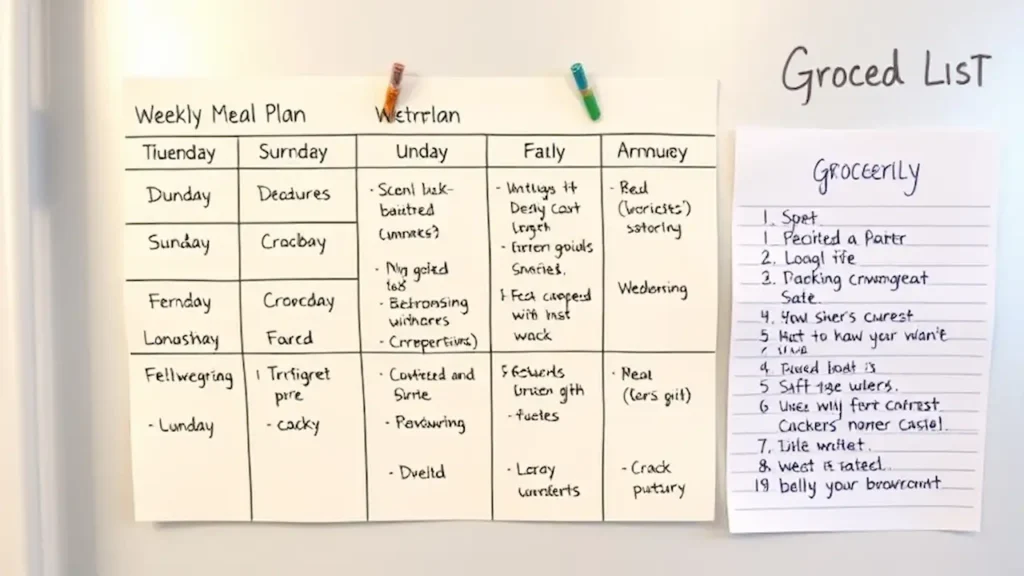
Create a Weekly Meal Plan
Planning your meals in advance ensures that you only buy what you need. This helps eliminate food waste and prevents unnecessary spending on items you don’t use.
Incorporate Affordable Ingredients
Base your meals around cost-effective staples like rice, pasta, beans, and seasonal vegetables. These items are versatile and can help stretch your budget.
2. Shop with a List
Stick to the Essentials
Write a list of everything you need before heading to the store and commit to sticking to it. This reduces impulse purchases and keeps you focused.
Organize Your List by Store Sections
Organizing your list by category (produce, dairy, meats) makes your shopping trip quicker and minimizes wandering into unnecessary aisles.

3. Buy in Bulk When Practical
Focus on Non-Perishables
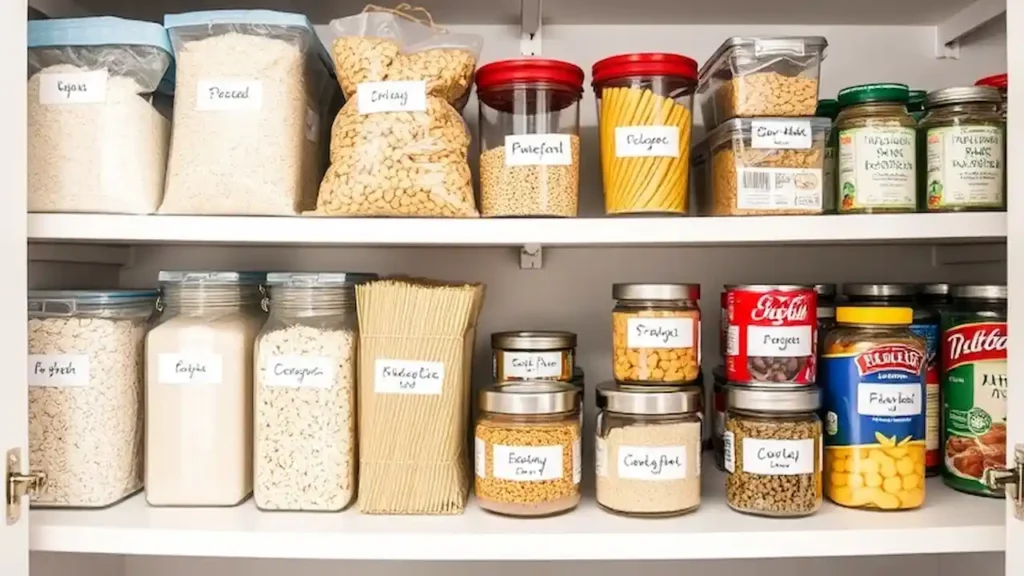
Purchase bulk quantities of long-lasting items like grains, canned goods, and cleaning supplies. This reduces cost per unit and saves future trips to the store.
Be Selective
Avoid bulk purchases for perishable items unless you can use them before they spoil. Otherwise, you may waste money on food that goes bad.
4. Choose Generic Brands
Don’t Pay for Branding
Generic or store-brand products often have the same quality as name-brand items but cost significantly less. Compare labels to ensure similar ingredients and nutrition.
Experiment Gradually
If you’re hesitant about switching, start by trying generic versions of basics like sugar, flour, or cereal.

5. Buy Seasonal and Local Produce
Save with In-Season Items
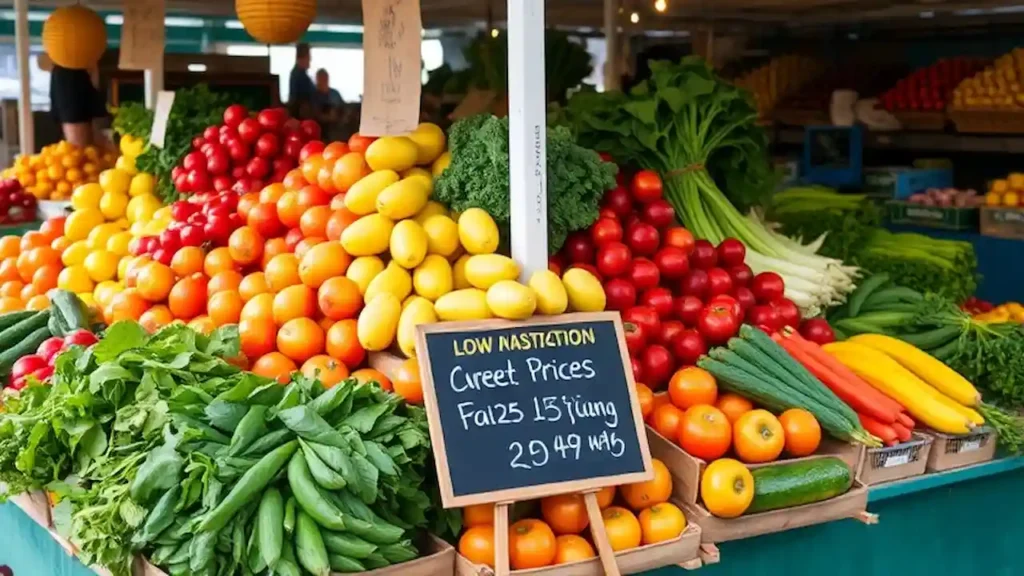
Fruits and vegetables are cheapest and freshest when they’re in season. Incorporate these into your meals to save money while enjoying better quality.
Support Local Farmers
Farmers’ markets often offer affordable deals on fresh produce. Buying locally not only supports the community but also reduces transportation costs.
6. Reduce Meat Consumption
Go Meatless Several Times a Week
Meat is often one of the most expensive items on a grocery list. Try incorporating meatless meals like veggie stir-fries, lentil soups, or pasta dishes.
Choose Cheaper Cuts
When buying meat, opt for less expensive cuts like chicken thighs, ground turkey, or chuck roast. They can be just as delicious when cooked properly.

7. Avoid Pre-Packaged and Pre-Cut Items
Buy Whole Foods
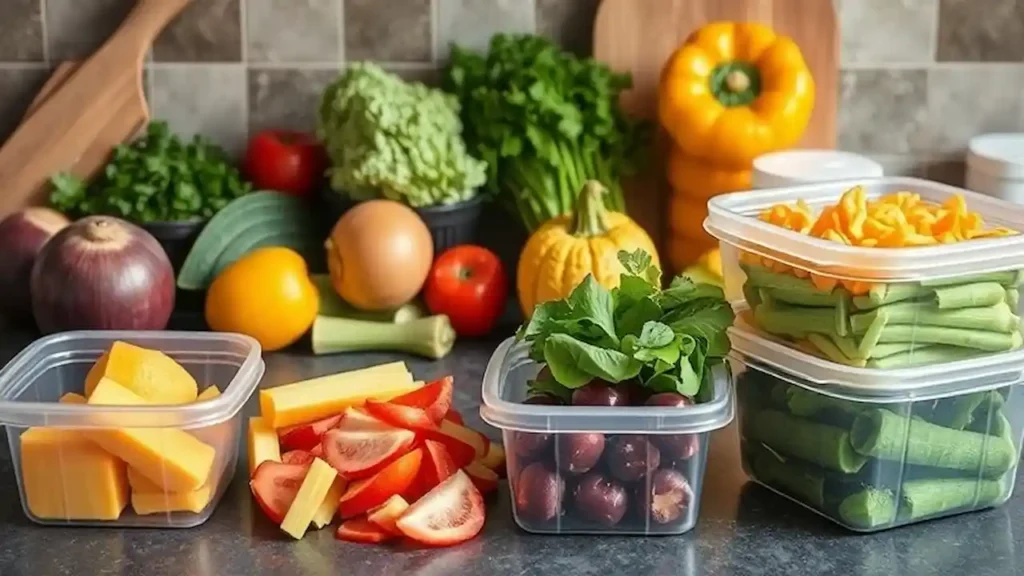
Pre-cut fruits, pre-shredded cheese, and packaged salads come at a premium price. Buying whole versions and preparing them yourself is much cheaper.
Prepare in Advance
Dedicate time to washing, chopping, and portioning out your ingredients when you return from the store. This small effort can lead to big savings.
8. Limit Convenience Foods
Cook from Scratch
Frozen dinners, snack packs, and other convenience items are often marked up significantly. Cooking from scratch is not only healthier but also more economical.
Batch Cook for Convenience
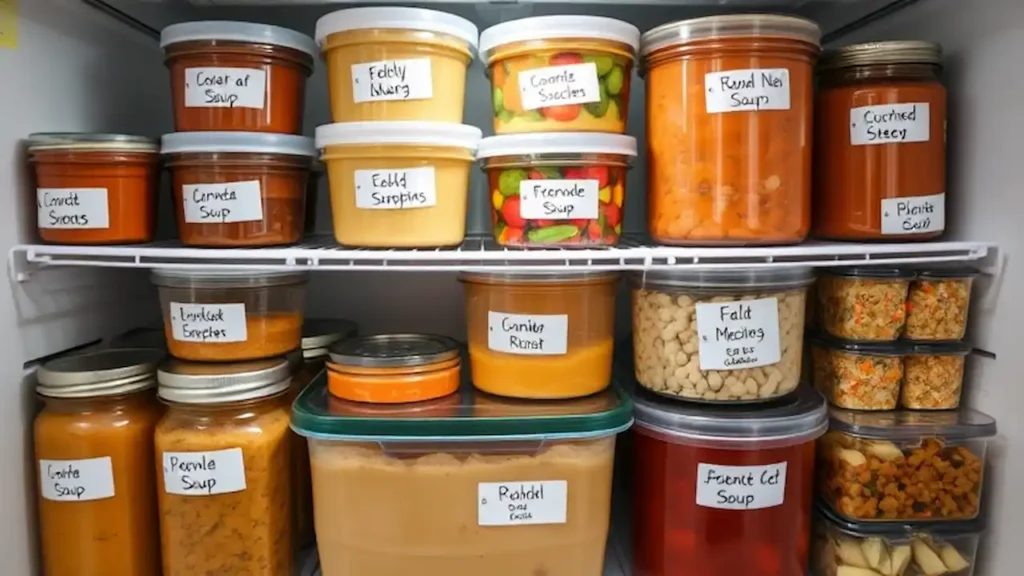
Prepare larger portions of meals and freeze leftovers for busy days. This provides the convenience of a frozen meal without the high cost.
9. Compare Prices and Stores
Shop at Discount Stores
Different stores often have different price points for the same items. Explore discount grocery chains or wholesale clubs for cheaper options.
Use Price Per Unit
Pay attention to unit pricing (cost per ounce or pound) to ensure you’re getting the best deal, especially for packaged goods.

10. Reduce Food Waste
Store Food Properly
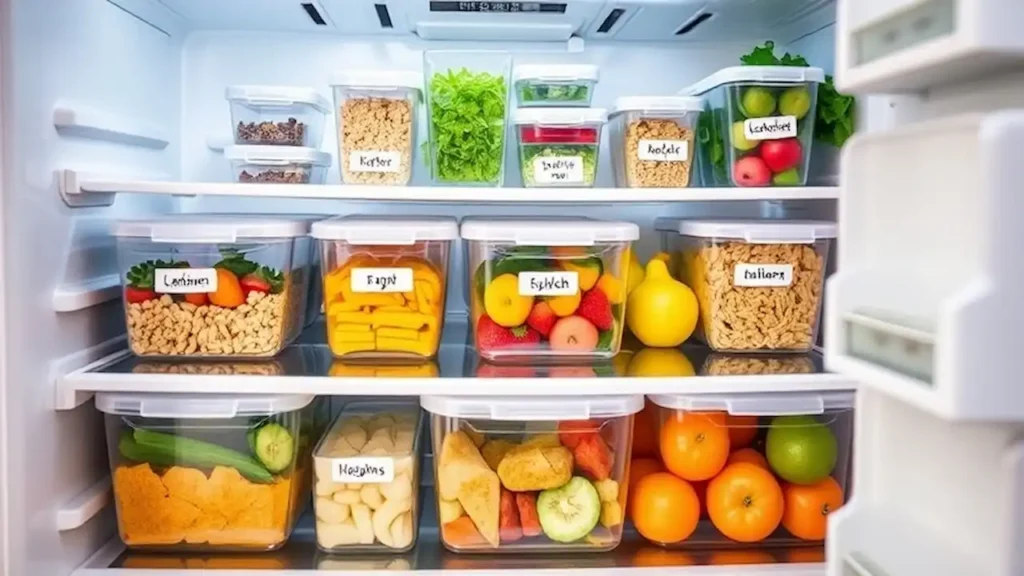
Ensure perishable items like vegetables and dairy are stored correctly to extend their shelf life. Use airtight containers or freezer bags when needed.
Repurpose Leftovers
Get creative with leftovers by turning them into new meals, like using roasted vegetables in a stir-fry or transforming cooked chicken into soup.
11. Shop Less Frequently
Plan for Fewer Trips
The more often you shop, the more likely you are to make impulse purchases. Aim to grocery shop once a week or bi-weekly.
Stick to Your Plan
Avoid making extra trips for forgotten items unless they’re absolutely essential. Keep track of what’s running low to include in your next planned trip.

12. Take Advantage of Sales Without Coupons
Look for Store Promotions
Many stores offer discounts or promotions that don’t require coupons. Check flyers or the store’s website before shopping.
Stock Up on Deals
If non-perishable or freezable items are on sale, stock up to save in the long term. Just be cautious not to overbuy beyond your storage capacity.

Conclusion
Saving money on groceries doesn’t have to be complicated. By implementing these simple strategies, you can reduce your monthly grocery bill without the hassle of clipping coupons. From meal planning and buying in bulk to reducing food waste and shopping smarter, these tips can help you stretch your budget while still enjoying nutritious, delicious meals. Start small, make adjustments as needed, and watch the savings add up over time.
Leave a Reply