
How to Save Money While Paying Off Debt
Paying off debt can feel overwhelming, especially when you’re trying to save money at the same time. However, it’s entirely possible to tackle both goals simultaneously with the right strategies. By prioritizing, budgeting, and making mindful financial decisions, you can work toward a debt-free future without sacrificing your savings. Here’s a guide to help you save money while paying off debt effectively.
1. Assess Your Financial Situation
Calculate Your Debt and Savings
List all your debts, including balances, interest rates, and minimum payments. Then, review your current savings. This will give you a clear picture of where you stand financially.
Set Priorities
Decide how much of your income will go toward debt repayment and how much will be allocated to savings. Consider keeping a small emergency fund if you don’t already have one.

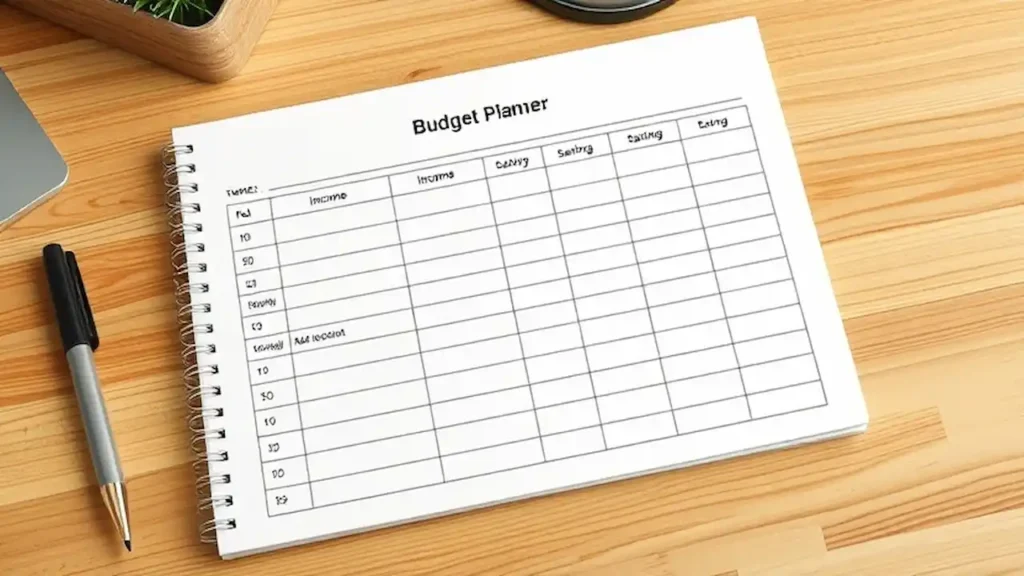
2. Create a Realistic Budget
Track Your Income and Expenses
Record all your monthly expenses and categorize them into needs, wants, and debt payments. Identify areas where you can cut back.
Allocate Funds Wisely
Use the 50/30/20 rule as a guideline: 50% of your income for needs, 30% for wants, and 20% for savings and debt repayment. Adjust the percentages based on your priorities.
Use the Avalanche Method
Pay off debts with the highest interest rates first while making minimum payments on others. This saves you money on interest in the long run.
Consider the Snowball Method
If you need motivation, start with the smallest debt. Paying off smaller balances quickly can give you a sense of accomplishment and keep you motivated.

4. Build a Small Emergency Fund
Why It’s Essential
An emergency fund can prevent you from relying on credit cards or loans during unexpected expenses, keeping you on track with debt repayment.
Start Small
Aim for $500 to $1,000 initially. Contribute small amounts consistently, even while focusing on debt.

5. Lower Your Monthly Expenses
Cut Unnecessary Spending
Eliminate or reduce discretionary expenses such as dining out, subscriptions, or luxury items. Redirect this money toward debt or savings.
Negotiate Bills
Contact your service providers to negotiate lower rates on utilities, internet, and insurance. Switching providers or bundling services can also save money.

6. Increase Your Income
Take on Side Gigs
Explore freelancing, gig work, or part-time jobs to generate extra income. Use this additional money exclusively for savings and debt repayment.
Sell Unused Items
Declutter your home and sell items you no longer need. Platforms like eBay, Facebook Marketplace, or local consignment shops can help you earn extra cash.

7. Avoid Accumulating New Debt
Use Cash or Debit
Rely on cash or a debit card for everyday expenses to prevent overspending and accumulating new debt.
Pause Non-Essential Purchases
Delay major purchases until your financial situation improves. Focus on your needs rather than wants during this period.
8. Take Advantage of Refinancing or Consolidation
Refinance High-Interest Debt
If eligible, refinance high-interest loans or credit card debt to a lower interest rate. This reduces the total amount you owe over time.
Consider Debt Consolidation
Combining multiple debts into one loan with a lower interest rate simplifies repayment and can save money.

9. Use Windfalls Wisely
Redirect Bonuses and Tax Refunds
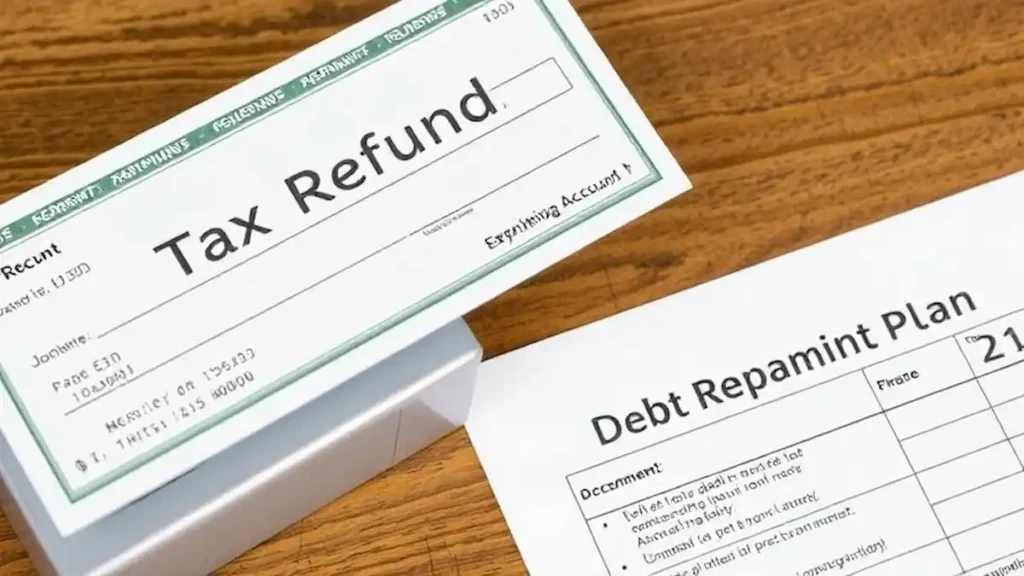
Whenever you receive unexpected money, like a bonus, tax refund, or gift, put it toward debt repayment or savings instead of spending it.
Boost Your Emergency Fund
If you’ve already allocated money for debt, consider putting windfalls into your emergency fund to enhance financial security.
10. Celebrate Small Wins
Acknowledge Your Progress
Every milestone, whether it’s paying off a debt or reaching a savings goal, deserves recognition. Celebrating small wins keeps you motivated.
Reward Yourself Responsibly
Treat yourself in a way that doesn’t derail your financial goals, such as enjoying a homemade meal or a free activity like hiking.

11. Seek Support and Resources
Find Accountability Partners
Share your goals with a trusted friend or family member who can encourage and motivate you.
Use Free Financial Tools
Budgeting apps and calculators can help you stay on track. Many free tools are available online to simplify the process.

Conclusion
Balancing debt repayment with saving money may seem challenging, but it’s achievable with the right strategies. By creating a budget, prioritizing high-interest debt, and cutting back on expenses, you can work toward financial freedom without neglecting your savings. Stay consistent, celebrate progress, and remember that every small step brings you closer to your financial goals.
Leave a Reply