
Decluttering is not just about organizing your home—it’s also an excellent way to boost your savings. By identifying and selling unused or unwanted items, you can create a cleaner, more organized space while adding extra cash to your wallet. This guide will show you how to declutter effectively and maximize your earnings through strategic selling.
1. The Benefits of Decluttering and Selling
Free Up Space
Decluttering your home makes it more organized and enjoyable to live in. Extra space allows you to focus on what truly matters.
Boost Your Savings
Unused items gathering dust could be worth hundreds or even thousands of dollars. Selling them can provide a financial boost for emergencies, debt repayment, or savings goals.
Reduce Waste
Decluttering promotes sustainability. By selling or donating, you give items a second life and reduce waste going to landfills.
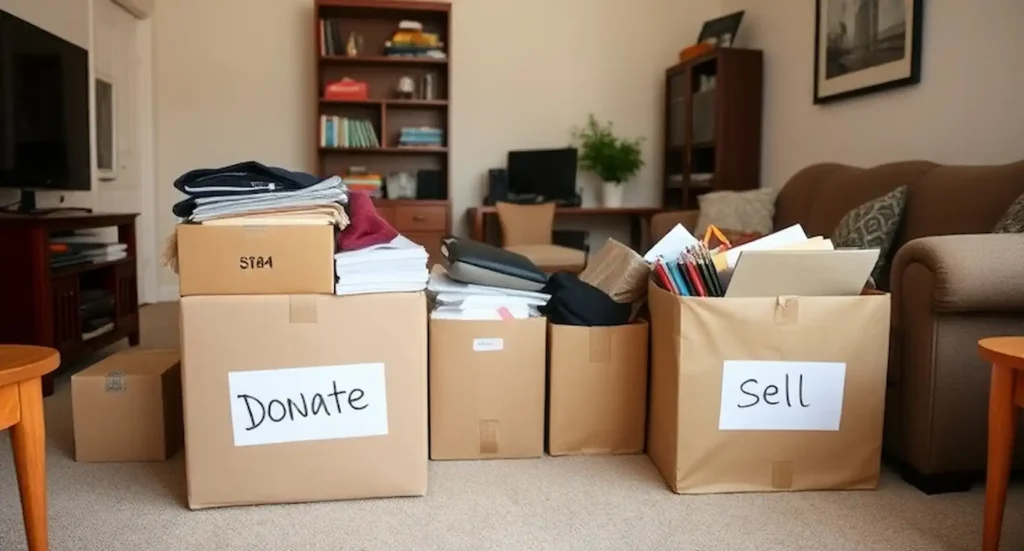
2. How to Start Decluttering Your Home
Adopt the KonMari Method
Tackle one category at a time, such as clothes, books, or kitchenware. Keep only what “sparks joy” and consider selling the rest.
Work Room by Room
Focus on one area of your home at a time. For instance, start with the bedroom closet before moving to the garage or attic.
Set a Decluttering Schedule
Commit to small, manageable sessions. Even dedicating 15–30 minutes a day can make a significant impact over time.
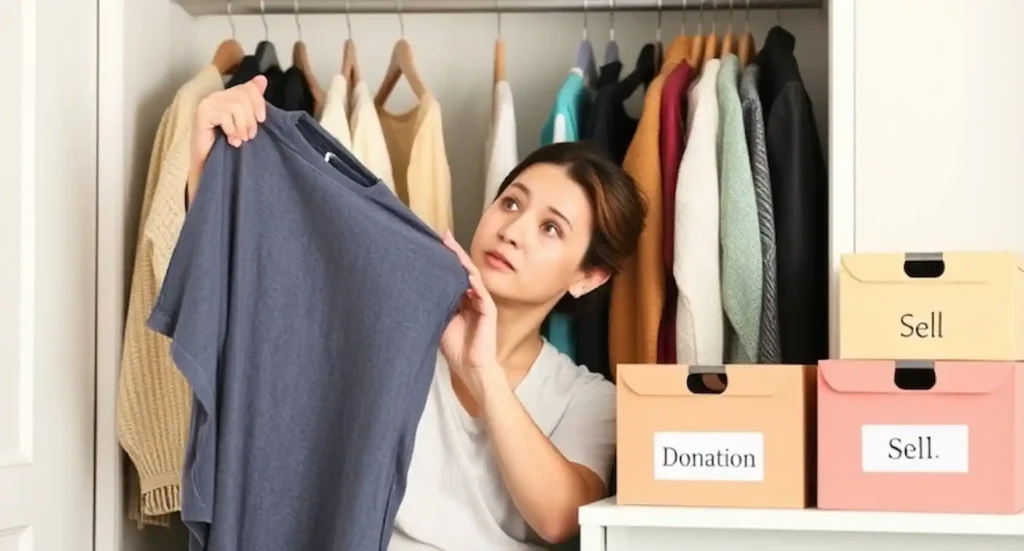
3. Identifying Items to Sell
High-Demand Items
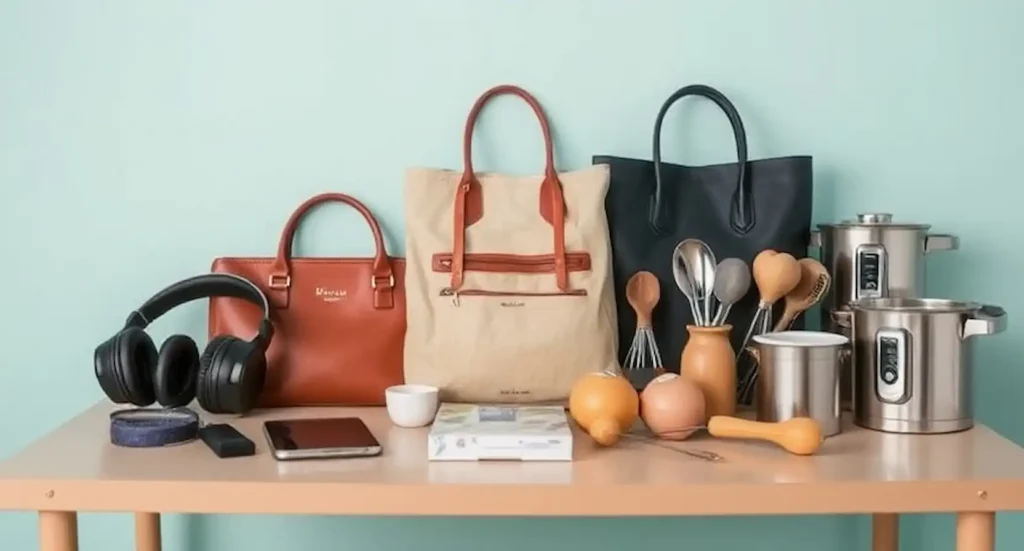
Electronics, furniture, designer clothing, and gently used appliances are often sought after and can sell quickly.
Unused or Duplicate Items
Kitchen gadgets, home décor, and tools you haven’t used in months or items you have multiples of can be profitable.
Sentimental Items
While harder to part with, sentimental items like collectibles or antiques could be worth more than you expect. Consider selling only those with no significant emotional attachment.
4. Platforms for Selling Unused Items
Online Marketplaces
Websites like eBay, Facebook Marketplace, and Craigslist allow you to reach a broad audience. Apps like Poshmark and Mercari are great for selling clothes and accessories.
Specialized Platforms
For niche items, consider platforms like Decluttr for electronics or Reverb for musical instruments. Selling specific items on the right platform can yield better returns.
Garage Sales and Local Events
Hosting a garage sale or participating in local flea markets can help you quickly offload multiple items while connecting with buyers in your community.

5. Tips for Listing and Selling Your Items
Take High-Quality Photos
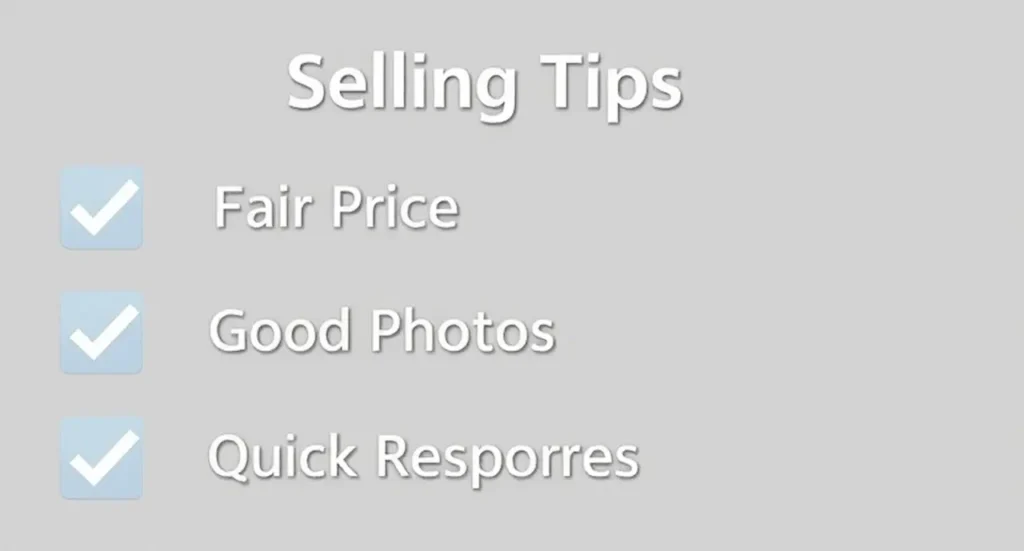
Clear, well-lit photos help items stand out. Use a plain background and multiple angles to showcase the product.
Write Honest Descriptions
Be transparent about the condition, dimensions, and any flaws. Buyers appreciate honesty and detailed information.
Price Competitively
Research similar items online to set a competitive but fair price. For faster sales, consider pricing slightly below market value.

6. What to Do With Unsold Items
Reevaluate Pricing
Lowering the price or offering bundles can attract buyers who might have hesitated at the original cost.
Donate for Tax Deductions
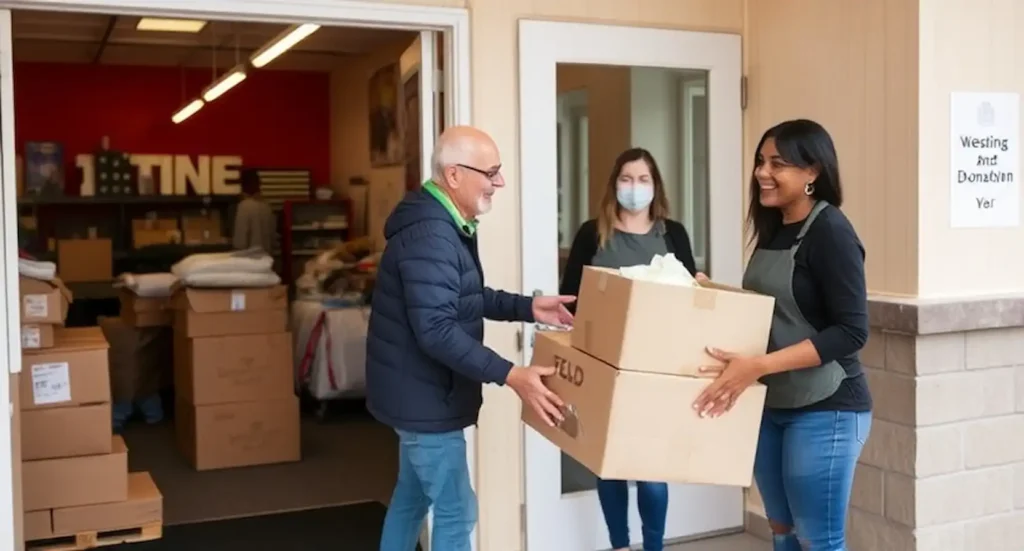
Items that don’t sell can be donated to local charities or thrift stores. Be sure to keep receipts for possible tax deductions.
Recycle or Repurpose
For items that cannot be sold or donated, consider recycling or repurposing them into something useful.
7. Avoid Common Mistakes
Overpricing Items
Setting prices too high can deter buyers. Check comparable listings to ensure your pricing is realistic.
Ignoring Buyer Communication
Quickly respond to inquiries and negotiate politely to build trust and close sales.
Delaying the Process
Procrastination can lead to items piling up again. Stay consistent with decluttering and selling.
8. Use Profits Wisely
Boost Your Emergency Fund
Set aside a portion of your earnings to build or enhance your emergency fund.
Pay Down Debt
If you have outstanding debt, use the extra money to make additional payments and reduce interest costs.
Invest in Future Goals
Consider using your profits for investments, education, or saving toward a dream vacation or home improvement project.

9. Keep the Decluttering Habit Alive
Adopt a One-In, One-Out Rule
For every new item you bring into your home, commit to removing one. This keeps clutter in check and encourages mindful consumption.
Regular Decluttering Sessions
Make decluttering a seasonal activity. Set aside time every few months to go through your possessions.
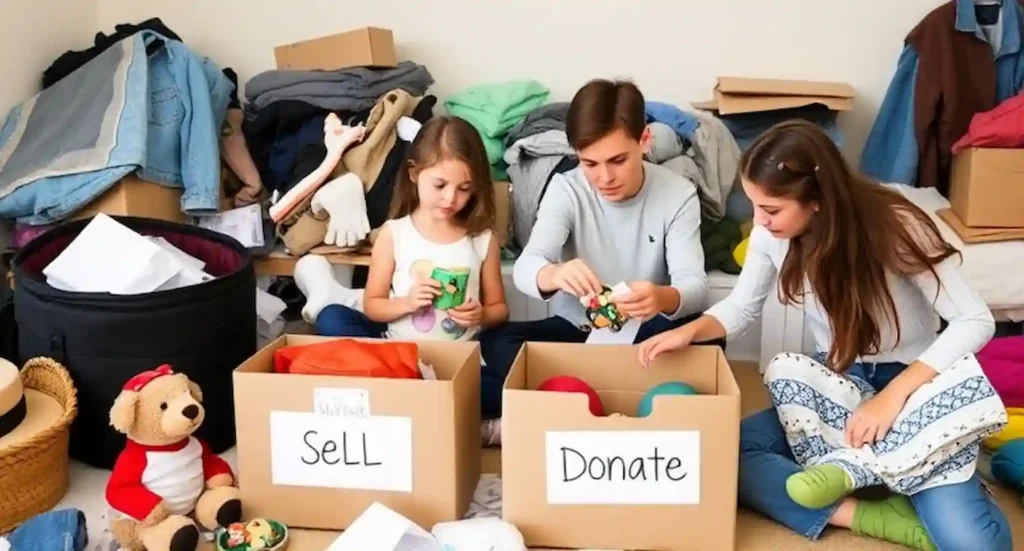
Encourage the Family to Join
Get everyone involved in the process. Teaching children the value of decluttering and selling items can instill financial responsibility early on.
Conclusion
Decluttering isn’t just about cleaning—it’s a powerful way to save money and create financial opportunities. By strategically selling unused items, you can transform clutter into cash and achieve your savings goals faster. Whether you use online platforms, host a garage sale, or donate, the key is to stay consistent and mindful about your possessions.
Leave a Reply