
Your credit score is one of the most important aspects of your financial health. A good score can help you secure better loan terms, qualify for credit cards, and even impact your ability to rent an apartment. Improving your credit score quickly requires strategic actions and careful planning. Here are the top five ways to boost your score efficiently and effectively.
1. Pay Down Credit Card Balances
Why It Works
One of the biggest factors in your credit score is your credit utilization rate, which measures how much of your available credit you’re using. A high utilization rate can signal financial strain and lower your score.
How to Do It
- Prioritize paying off high-interest credit cards first.
- Aim to use less than 30% of your available credit, but for the fastest improvement, target 10% or lower.
- If possible, make multiple payments each month to keep your balances consistently low.

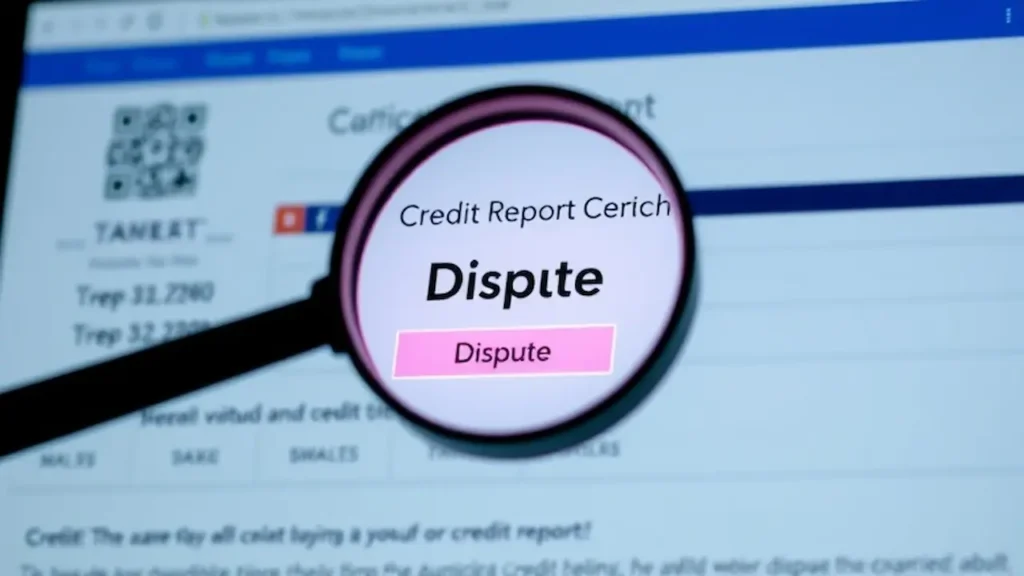
2. Dispute Errors on Your Credit Report
Why It Works
Errors on your credit report, such as incorrect account information or fraudulent activity, can drag down your score unnecessarily. Removing these errors can lead to a quick boost.
How to Do It
- Request a free credit report from AnnualCreditReport.com.
- Check for inaccuracies such as incorrect balances, late payments, or accounts you didn’t open.
- File a dispute with the credit bureau(s) reporting the error. Provide supporting documents to speed up the resolution.
3. Request a Credit Limit Increase
Why It Works
Increasing your credit limit reduces your credit utilization rate if you keep your spending the same. This can improve your score significantly and quickly.
How to Do It
- Contact your credit card issuer and request a limit increase.
- Highlight your positive payment history and stable income during the request.
- Avoid using the new limit to make additional purchases, as this negates the benefit.

4. Pay Bills on Time
Why It Works
Payment history accounts for 35% of your credit score. Even a single late payment can have a dramatic negative effect, while consistent on-time payments build a positive track record.
How to Do It
- Set up automatic payments for all your bills to avoid forgetting due dates.
- If you’ve missed a payment recently, pay it as soon as possible. Lenders often report late payments after 30 days, so acting quickly can mitigate damage.
- Contact your lender to see if they can waive the late payment fee or avoid reporting it to the credit bureaus if you’ve been a reliable customer.
5. Add Positive Accounts to Your Credit Report
Why It Works
Adding new accounts with positive payment history can diversify your credit profile and boost your score. Even non-traditional accounts, such as rent or utilities, can contribute.
How to Do It
- Sign up for programs like Experian Boost to add utility and telecom payments to your credit report.
- Consider taking out a credit-builder loan or secured credit card if you have limited credit history.
- Become an authorized user on someone else’s credit card to benefit from their good credit behavior.
Bonus Tips for Sustaining Your Credit Score Improvement
- Avoid New Credit Applications: Hard inquiries from credit applications can temporarily lower your score. Only apply for new credit when necessary.
- Use Old Credit Accounts: Keep your oldest accounts open to maintain a long credit history. Even occasional use of these accounts keeps them active.
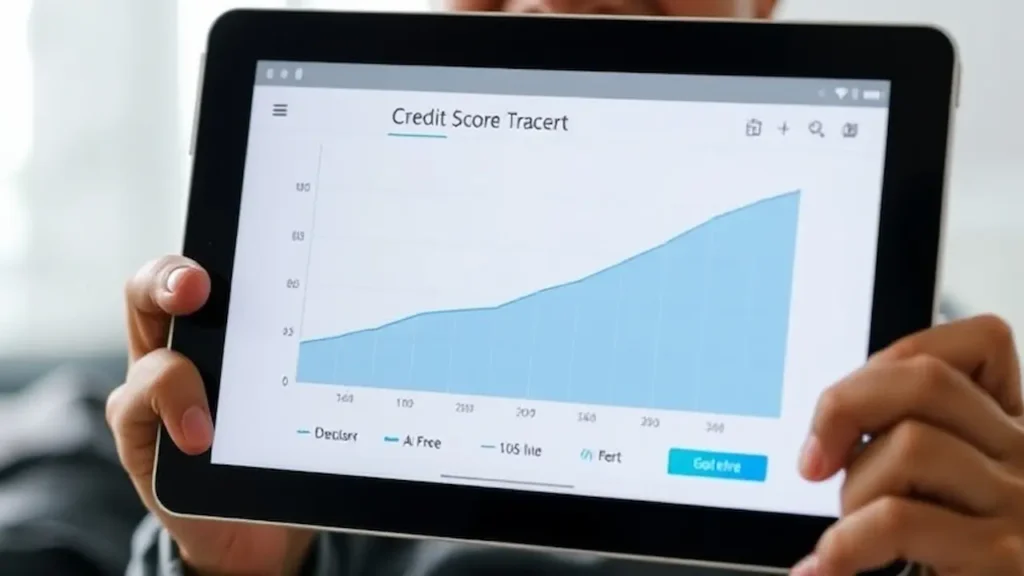
- Monitor Your Progress: Use free credit monitoring tools to track your score improvements and stay alert for changes.

Conclusion
Improving your credit score fast is achievable with focused effort and smart financial decisions. Start by paying down balances, fixing errors, and maintaining on-time payments. These actions not only boost your score quickly but also set the stage for long-term financial success. By understanding how credit works and leveraging strategic tools, you can enjoy the benefits of a higher score in no time.
Leave a Reply