Credit plays a crucial role in our financial lives, yet it’s surrounded by misconceptions that can lead to poor decisions and unnecessary stress. To build and maintain a healthy credit profile, it’s essential to separate fact from fiction. Here, we debunk some of the most common credit myths and provide actionable advice to help you navigate the world of credit.
1. Myth: Checking Your Credit Score Will Lower It
The Truth
Many people avoid checking their credit score out of fear it will hurt their credit. However, checking your own credit is considered a soft inquiry and has no impact on your score. Hard inquiries, on the other hand, are initiated by lenders when you apply for credit and can temporarily lower your score.
What You Should Do
- Regularly monitor your credit through free tools like Credit Karma or Experian.
- Review your full credit report annually from all three major bureaus (Equifax, Experian, TransUnion).

2. Myth: Closing Old Credit Cards Improves Your Credit Score
The Truth
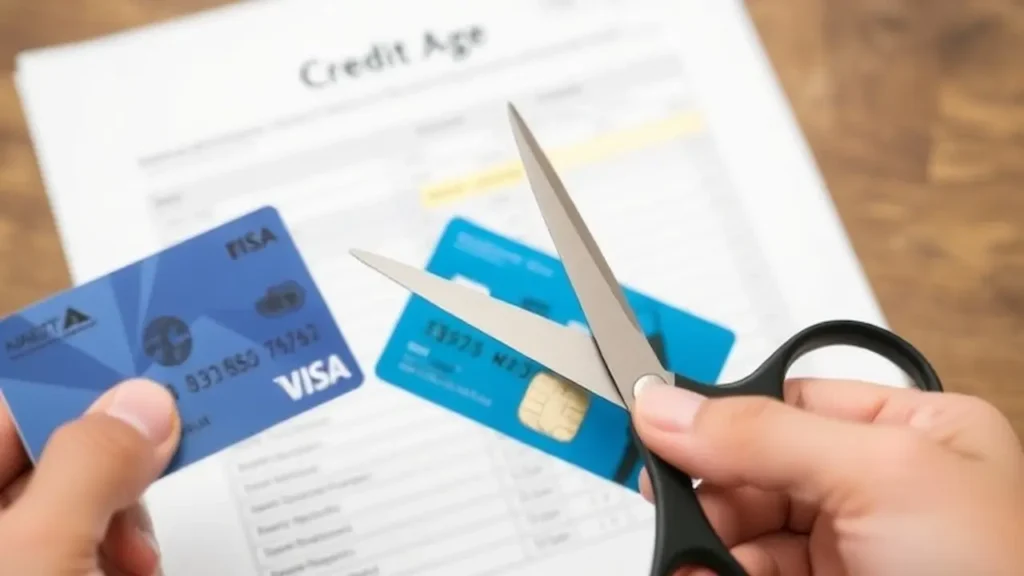
Closing an old credit card account can actually harm your credit score. This is because your credit history length is an essential factor in determining your score. Additionally, closing an account reduces your available credit, increasing your utilization rate.
What You Should Do
- Keep old accounts open, especially those with no annual fee.
- Use older cards occasionally for small purchases to keep them active.
3. Myth: You Need to Carry a Balance to Build Credit
The Truth
Carrying a balance does not improve your credit score. In fact, it leads to interest charges, which cost you money unnecessarily. Your credit score benefits from paying your balance in full each month while maintaining a low utilization rate.
What You Should Do
- Pay off your credit card balance in full by the due date to avoid interest.
- Use less than 30% of your available credit to maintain a healthy utilization ratio.

4. Myth: Your Income Affects Your Credit Score
The Truth
While lenders consider your income when approving loans or credit limits, your income is not a factor in your credit score calculation. Credit scores are based on your payment history, credit utilization, length of credit history, credit mix, and recent inquiries.
What You Should Do
- Focus on managing your credit responsibly, regardless of your income.
- Ensure you live within your means to avoid overextending your credit.
5. Myth: Debit Cards Help Build Credit
The Truth
Using a debit card does not contribute to building credit because it doesn’t involve borrowing money. Only accounts involving credit, such as credit cards, loans, or lines of credit, are reported to credit bureaus.
What You Should Do
- Use a credit card for small, manageable purchases and pay off the balance in full to build credit.
- Consider a secured credit card if you’re new to credit.
6. Myth: All Debt Is Bad
The Truth
Not all debt is bad. Some types of debt, such as mortgages or student loans, are considered “good debt” because they often come with lower interest rates and can lead to financial growth. Credit cards or payday loans with high-interest rates, however, can quickly become burdensome.
What You Should Do
- Differentiate between good and bad debt.
- Manage all debt responsibly by making timely payments.

7. Myth: You Only Have One Credit Score
The Truth
You actually have multiple credit scores. Different scoring models, such as FICO and VantageScore, calculate your credit score slightly differently. Additionally, each credit bureau may have its own version of your score.
What You Should Do
- Focus on the general principles of credit management, as these apply across all scoring models.
- Don’t stress over minor differences between scores from different models.
8. Myth: Employers Can See Your Credit Score
The Truth
Employers do not have access to your credit score. They can, however, request a modified version of your credit report with your permission. This report helps them assess financial responsibility but doesn’t include your score.
What You Should Do
- Be prepared to explain any negative marks on your credit report if a potential employer asks.
- Maintain a positive credit history to avoid potential concerns.
9. Myth: Paying Off Collections Instantly Improves Your Score
The Truth
While paying off collections is a positive step, it doesn’t necessarily remove the collection account from your credit report. However, some scoring models, like the newer FICO versions, ignore paid collection accounts, which can improve your score over time.
What You Should Do
- Negotiate with the collection agency to have the account removed upon payment (“pay-for-delete” agreement).
- Focus on preventing accounts from going to collections in the first place by paying bills on time.
10. Myth: You Should Never Apply for New Credit
The Truth
Applying for new credit results in a hard inquiry, which can temporarily lower your score. However, opening new accounts strategically can diversify your credit mix and boost your score in the long term.
What You Should Do
- Only apply for credit when necessary and space out applications to avoid multiple hard inquiries.
- Use new credit accounts responsibly to build a positive payment history.
Conclusion
Understanding the truth about credit is essential for making informed financial decisions. By debunking common myths, you can focus on what truly matters when building and maintaining good credit. Whether it’s paying down balances, keeping old accounts open, or monitoring your credit report, the steps you take today will set the foundation for a stronger financial future.
Leave a Reply