Your credit report is a crucial document that holds the key to your financial health. Whether you’re applying for a loan, renting an apartment, or securing a job, understanding your credit report is essential. This guide breaks down the components of a credit report, explains how to read it, and provides actionable tips to maintain or improve your credit score.
What Is a Credit Report?
A credit report is a detailed record of your credit history. It’s compiled by credit bureaus to help lenders assess your creditworthiness. The three major credit bureaus in the U.S. are Equifax, Experian, and TransUnion. Each bureau generates its own report, which may slightly differ due to variations in reported information.

Why Is Your Credit Report Important?
1. Access to Credit
Your credit report helps lenders determine whether to approve your application for credit cards, loans, or mortgages.
2. Interest Rates
A higher credit score, derived from your credit report, can lead to lower interest rates.
3. Employment and Housing
Landlords and employers often review credit reports to gauge financial responsibility.
Components of a Credit Report
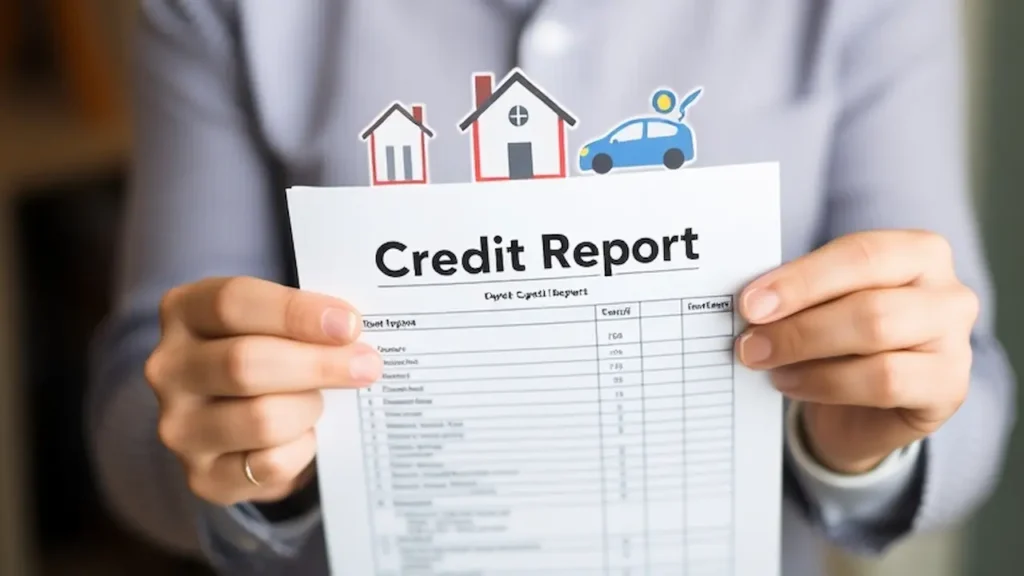
1. Personal Information
- Name
- Address history
- Social Security number
- Date of birth
2. Credit Accounts
- Open and closed accounts
- Loan balances
- Payment history
3. Public Records
- Bankruptcies
- Tax liens
- Civil judgments
4. Credit Inquiries
- Hard inquiries (lender checks for loans or credit applications)
- Soft inquiries (credit checks for personal or promotional purposes)
How to Obtain Your Credit Report
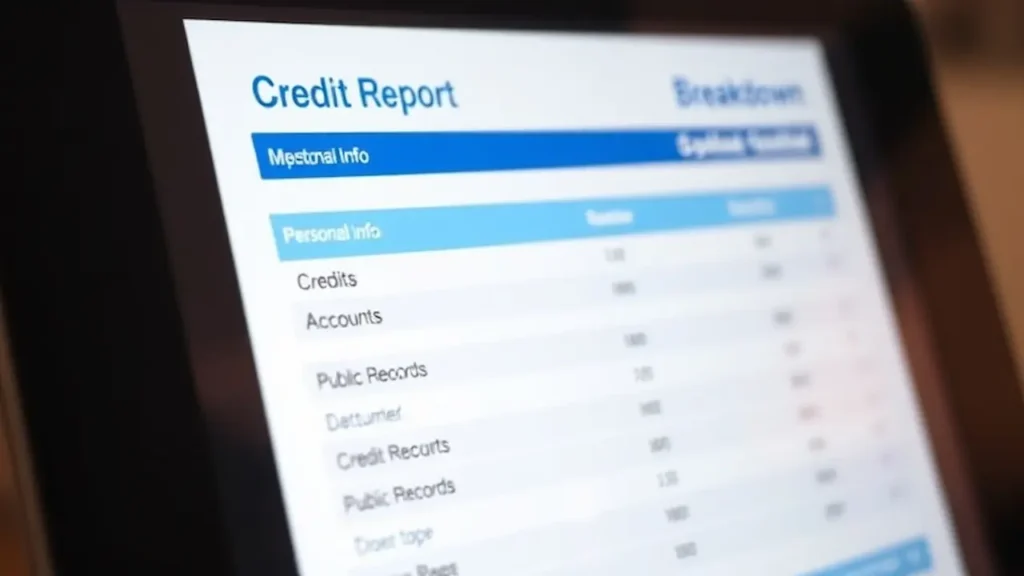
You are entitled to one free credit report annually from each bureau via AnnualCreditReport.com. You can also access your report for free through certain financial institutions or credit monitoring services.
Step-by-Step to Access Your Credit Report
- Visit AnnualCreditReport.com.
- Fill out the request form with personal details.
- Choose one or all three credit bureaus.
- Verify your identity by answering security questions.

How to Read Your Credit Report
Step 1: Check Personal Information
Ensure your name, address, and Social Security number are accurate.
Step 2: Review Credit Accounts
Verify account details, balances, and payment history. Look for any unfamiliar accounts that might signal identity theft.
Step 3: Examine Public Records
Confirm there are no errors in listed bankruptcies, liens, or judgments.
Step 4: Analyze Inquiries
Understand the difference between hard and soft inquiries and ensure all are legitimate.

Common Errors to Watch For
1. Incorrect Personal Information
Misspellings or outdated addresses.
2. Duplicate Accounts
The same account was reported more than once.
3. Incorrect Payment Status
Payments marked late despite being made on time.
4. Unfamiliar Accounts
Accounts opened fraudulently in your name.

How to Dispute Errors on Your Credit Report
Step 1: Identify the Error
Highlight the mistake on your report.
Step 2: Contact the Credit Bureau
Submit a dispute online, by mail, or by phone to the bureau reporting the error.
Step 3: Provide Supporting Documents
Include relevant documents such as payment receipts or identity proof.
Step 4: Follow Up
Credit bureaus are required to investigate disputes within 30 days and provide a resolution.

Tips to Maintain a Healthy Credit Report
1. Pay Bills on Time
Payment history significantly impacts your credit score.
2. Keep Credit Utilization Low
Aim to use less than 30% of your available credit limit.
3. Monitor Your Report Regularly
Regular checks help identify errors or signs of identity theft.
4. Avoid Opening Too Many Accounts
Frequent hard inquiries can lower your score temporarily.

Protecting Your Credit Report
1. Use Credit Monitoring Services
These services provide alerts for suspicious activities on your report.
2. Freeze Your Credit
Prevent unauthorized access by freezing your credit report with each bureau.
3. Secure Your Personal Information
Avoid sharing sensitive details like your Social Security number unnecessarily.
Conclusion
Understanding your credit report is the first step toward managing your financial health. By knowing what’s in your report, regularly reviewing it, and addressing errors promptly, you can maintain or improve your credit score. With this guide, you’re well-equipped to navigate the complexities of credit reports and take control of your financial future.
Leave a Reply