Author: admin

  • How to Recover from Bad Credit and Start Fresh

    How to Recover from Bad Credit and Start Fresh

    Bad credit can feel like a heavy burden, affecting your ability to secure loans, rent a home, or even land a job. However, recovering from bad credit is entirely possible with determination and the right strategies. This guide provides actionable steps to help you rebuild your credit and set yourself on the path to financial stability.

    Please log in to upload media.

    Understanding What Bad Credit Means

    Bad credit typically refers to a credit score below 580 on the FICO scale. It’s often the result of missed payments, high credit utilization, defaults, or bankruptcies. While it may limit your financial options, bad credit isn’t permanent—it’s a condition that can be improved over time.

    Understanding What Bad Credit Means
    Understanding What Bad Credit Means

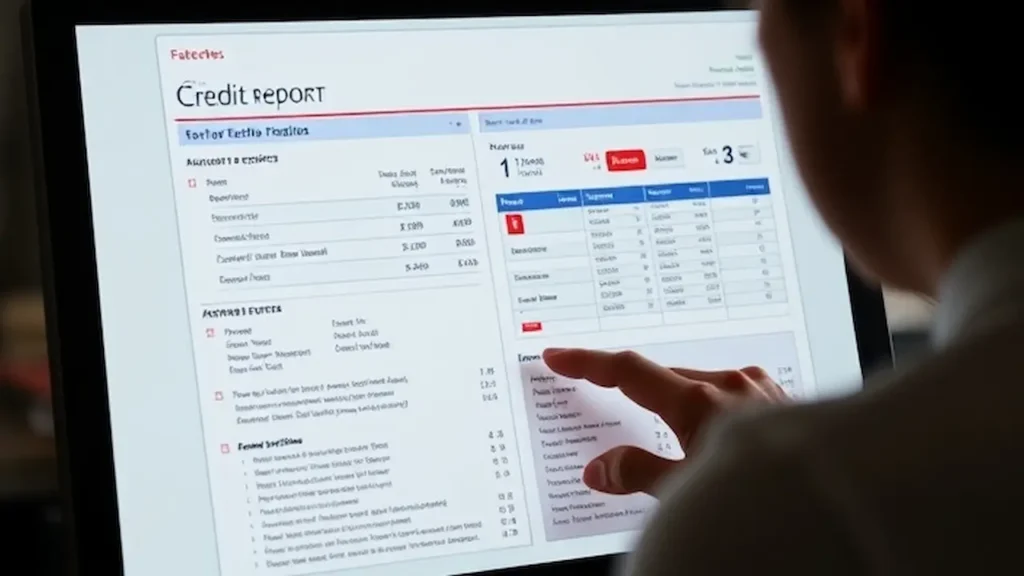
    Assessing the Damage: Review Your Credit Report

    1. Obtain Your Credit Report

    Start by accessing your credit reports from Equifax, Experian, and TransUnion through AnnualCreditReport.com.

    2. Look for Errors

    Errors such as incorrect personal details, unfamiliar accounts, or misreported late payments can harm your score.

    3. Identify Problem Areas

    Pinpoint late payments, high balances, or defaulted accounts that need attention.

    Assessing the Damage: Review Your Credit Report
    Assessing the Damage: Review Your Credit Report

    Disputing Errors on Your Credit Report

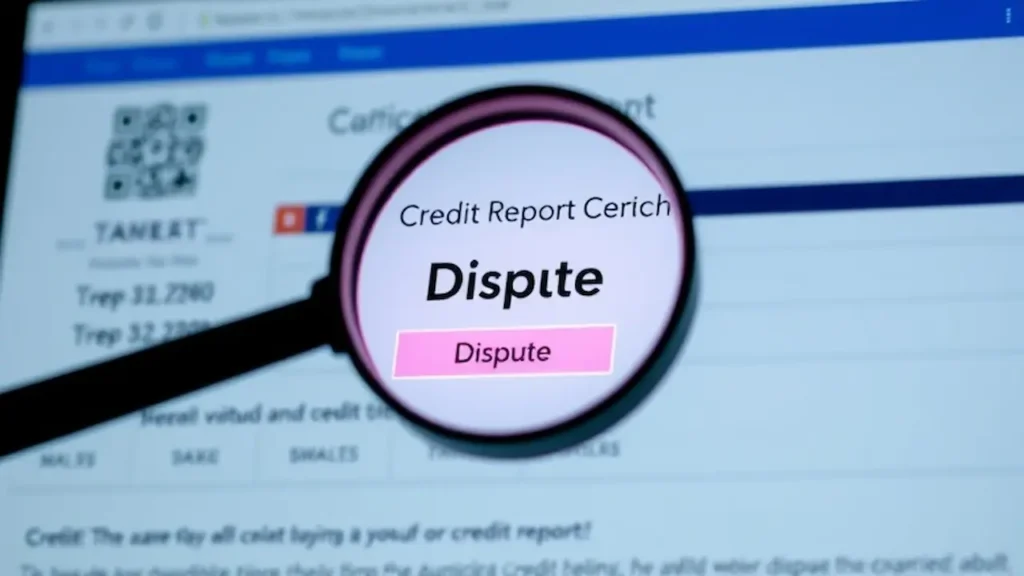
    Errors on your credit report can drag your score down unnecessarily.

    Steps to Dispute Errors:

    1. Highlight inaccuracies in your report.
    2. Contact the credit bureau reporting the error.
    3. Provide supporting documents to validate your dispute.
    4. Follow up to ensure the correction is made.
    Disputing Errors on Your Credit Report
    Disputing Errors on Your Credit Report

    Establishing Better Financial Habits

    1. Pay Bills on Time

    Set up reminders or automate payments to ensure you never miss a due date. Payment history accounts for 35% of your credit score.

    2. Reduce Credit Card Balances

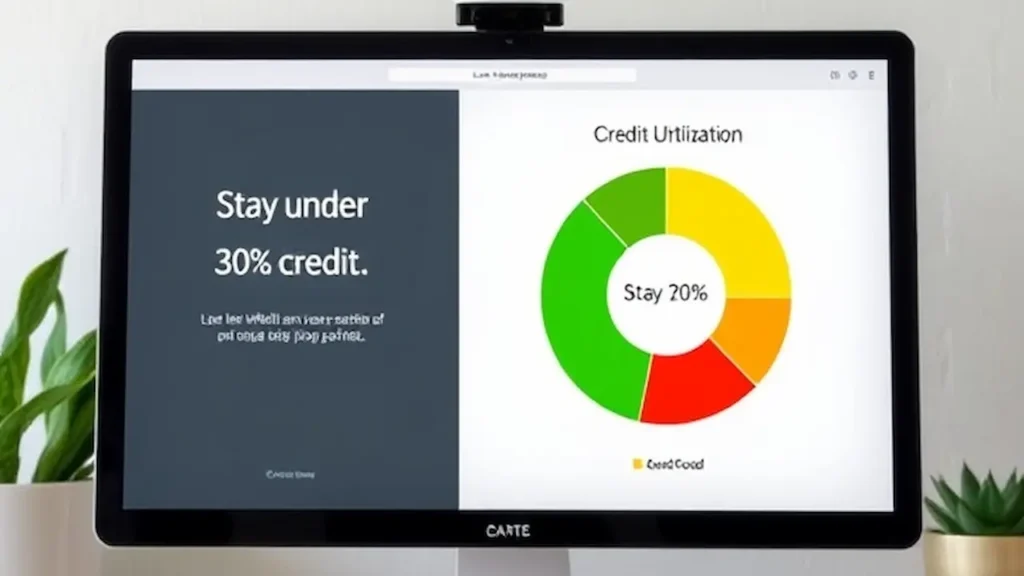
    High credit utilization negatively impacts your score. Aim to keep your usage below 30% of your credit limit.

    3. Avoid New Debt

    Resist the urge to open new credit accounts while working to improve your score.

    Establishing Better Financial Habits
    Establishing Better Financial Habits

    Prioritizing Debt Repayment

    1. Create a Budget

    Identify your monthly income and expenses to allocate funds for debt repayment.

    2. Use the Snowball or Avalanche Method

    • Snowball Method: Pay off smaller debts first to gain momentum.
    • Avalanche Method: Focus on high-interest debts to save on interest costs.

    3. Negotiate with Creditors

    Contact creditors to discuss reduced interest rates or a modified repayment plan.

    Prioritizing Debt Repayment
    Prioritizing Debt Repayment

    Consider Credit Counseling

    Credit counseling agencies can provide personalized advice to help you manage your finances and recover from bad credit. Ensure you choose a reputable, nonprofit agency.

    Consider Credit Counselling
    Consider Credit Counselling

    Building Positive Credit History

    1. Apply for a Secured Credit Card

    Secured cards require a deposit and are an excellent way to rebuild credit with responsible use.

    2. Become an Authorized User

    Ask a family member with good credit to add you as an authorized user on their account.

    3. Take Out a Credit-Builder Loan

    These loans are specifically designed to help rebuild credit and usually require small monthly payments.

    Building Positive Credit History
    Building Positive Credit History

    Monitor Your Progress

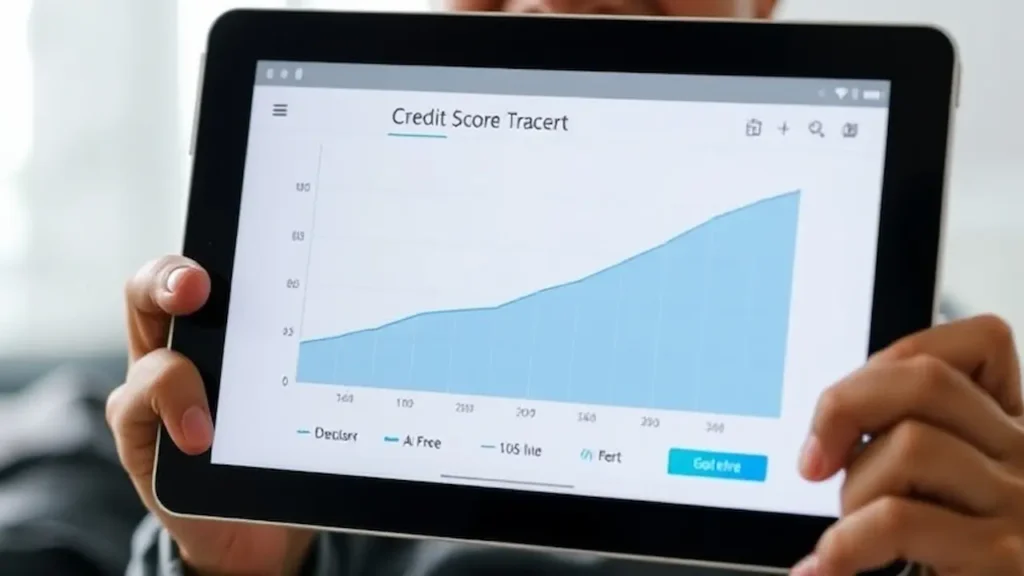
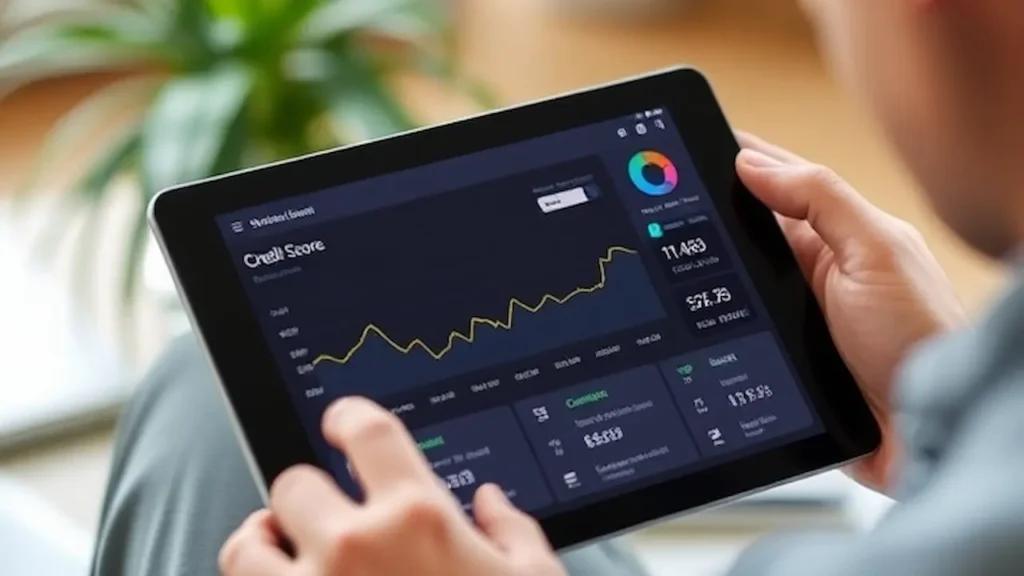
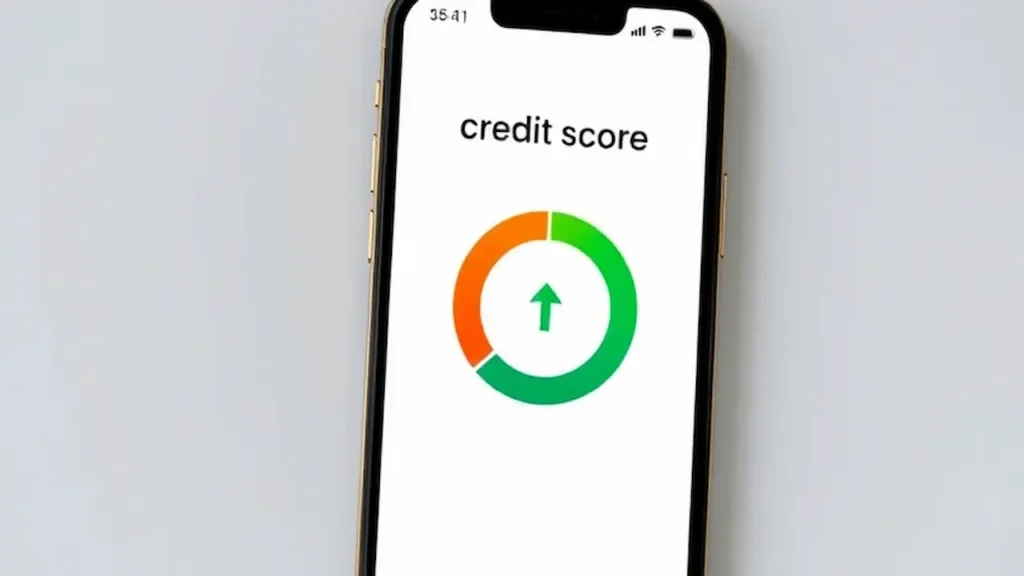
    Track your credit score regularly to see how your efforts are paying off. Many financial institutions and apps offer free credit score tracking.
    Monitor Your Progress
    Monitor Your Progress

    Protecting Your Credit for the Future

    1. Avoid Identity Theft

    Secure your personal information and consider using credit monitoring services to detect fraud.

    2. Build an Emergency Fund

    Having savings for unexpected expenses can prevent you from relying on credit during emergencies.

    3. Use Credit Responsibly

    Charge only what you can afford to pay off in full each month to maintain a healthy credit utilization ratio.
    Protecting Your Credit for the Future
    Protecting Your Credit for the Future

    Overcoming Emotional Barriers

    Dealing with bad credit can be emotionally taxing. Remember that financial recovery is a journey, not a race. Seek support from family, friends, or financial counselors to stay motivated.

    Overcoming Emotional Barriers
    Overcoming Emotional Barriers

    Conclusion

    Recovering from bad credit takes time, discipline, and commitment. By reviewing your credit report, addressing errors, paying off debts, and adopting better financial habits, you can rebuild your credit and start fresh. With consistent effort, achieving a healthy credit score is within your reach, paving the way for greater financial opportunities in the future.
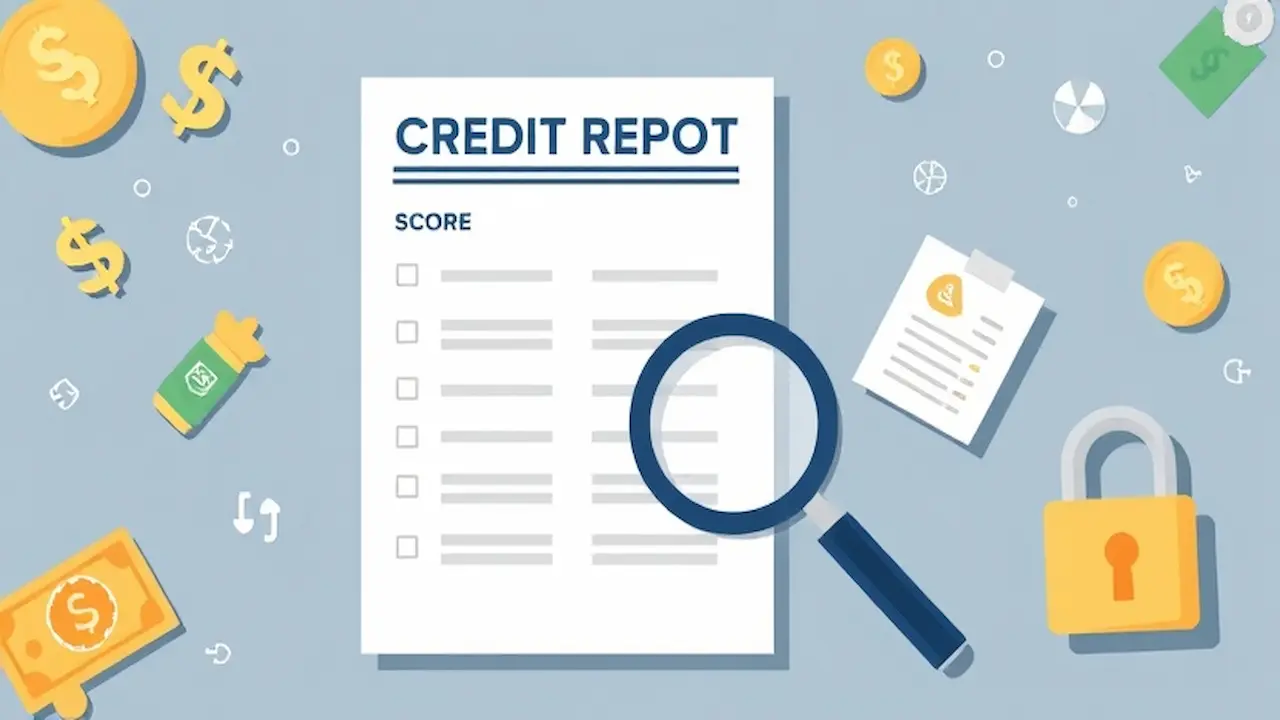
  • Understanding Your Credit Report: A Step-by-Step Guide

    Understanding Your Credit Report: A Step-by-Step Guide

    Your credit report is a crucial document that holds the key to your financial health. Whether you’re applying for a loan, renting an apartment, or securing a job, understanding your credit report is essential. This guide breaks down the components of a credit report, explains how to read it, and provides actionable tips to maintain or improve your credit score.

    What Is a Credit Report?

    A credit report is a detailed record of your credit history. It’s compiled by credit bureaus to help lenders assess your creditworthiness. The three major credit bureaus in the U.S. are Equifax, Experian, and TransUnion. Each bureau generates its own report, which may slightly differ due to variations in reported information.

    What Is a Credit Report?
    What Is a Credit Report?

    Why Is Your Credit Report Important?

    1. Access to Credit

    Your credit report helps lenders determine whether to approve your application for credit cards, loans, or mortgages.

    2. Interest Rates

    A higher credit score, derived from your credit report, can lead to lower interest rates.

    3. Employment and Housing

    Landlords and employers often review credit reports to gauge financial responsibility.

    Why Is Your Credit Report Important?
    Why Is Your Credit Report Important?

    Components of a Credit Report

    1. Personal Information

    • Name
    • Address history
    • Social Security number
    • Date of birth

    2. Credit Accounts

    • Open and closed accounts
    • Loan balances
    • Payment history

    3. Public Records

    • Bankruptcies
    • Tax liens
    • Civil judgments

    4. Credit Inquiries

    • Hard inquiries (lender checks for loans or credit applications)
    • Soft inquiries (credit checks for personal or promotional purposes)
    Components of a Credit Report
    Components of a Credit Report

    How to Obtain Your Credit Report

    You are entitled to one free credit report annually from each bureau via AnnualCreditReport.com. You can also access your report for free through certain financial institutions or credit monitoring services.

    Step-by-Step to Access Your Credit Report

    1. Visit AnnualCreditReport.com.
    2. Fill out the request form with personal details.
    3. Choose one or all three credit bureaus.
    4. Verify your identity by answering security questions.
    How to Obtain Your Credit Report
    How to Obtain Your Credit Report

    How to Read Your Credit Report

    Step 1: Check Personal Information

    Ensure your name, address, and Social Security number are accurate.

    Step 2: Review Credit Accounts

    Verify account details, balances, and payment history. Look for any unfamiliar accounts that might signal identity theft.

    Step 3: Examine Public Records

    Confirm there are no errors in listed bankruptcies, liens, or judgments.

    Step 4: Analyze Inquiries

    Understand the difference between hard and soft inquiries and ensure all are legitimate.

    How to Read Your Credit Report
    How to Read Your Credit Report

    Common Errors to Watch For

    1. Incorrect Personal Information

    Misspellings or outdated addresses.

    2. Duplicate Accounts

    The same account was reported more than once.

    3. Incorrect Payment Status

    Payments marked late despite being made on time.

    4. Unfamiliar Accounts

    Accounts opened fraudulently in your name.

    Common Errors to Watch For
    Common Errors to Watch For

    How to Dispute Errors on Your Credit Report

    Step 1: Identify the Error

    Highlight the mistake on your report.

    Step 2: Contact the Credit Bureau

    Submit a dispute online, by mail, or by phone to the bureau reporting the error.

    Step 3: Provide Supporting Documents

    Include relevant documents such as payment receipts or identity proof.

    Step 4: Follow Up

    Credit bureaus are required to investigate disputes within 30 days and provide a resolution.

    How to Dispute Errors on Your Credit Report
    How to Dispute Errors on Your Credit Report

    Tips to Maintain a Healthy Credit Report

    1. Pay Bills on Time

    Payment history significantly impacts your credit score.

    2. Keep Credit Utilization Low

    Aim to use less than 30% of your available credit limit.

    3. Monitor Your Report Regularly

    Regular checks help identify errors or signs of identity theft.

    4. Avoid Opening Too Many Accounts

    Frequent hard inquiries can lower your score temporarily.

    Tips to Maintain a Healthy Credit Report
    Tips to Maintain a Healthy Credit Report

    Protecting Your Credit Report

    1. Use Credit Monitoring Services

    These services provide alerts for suspicious activities on your report.

    2. Freeze Your Credit

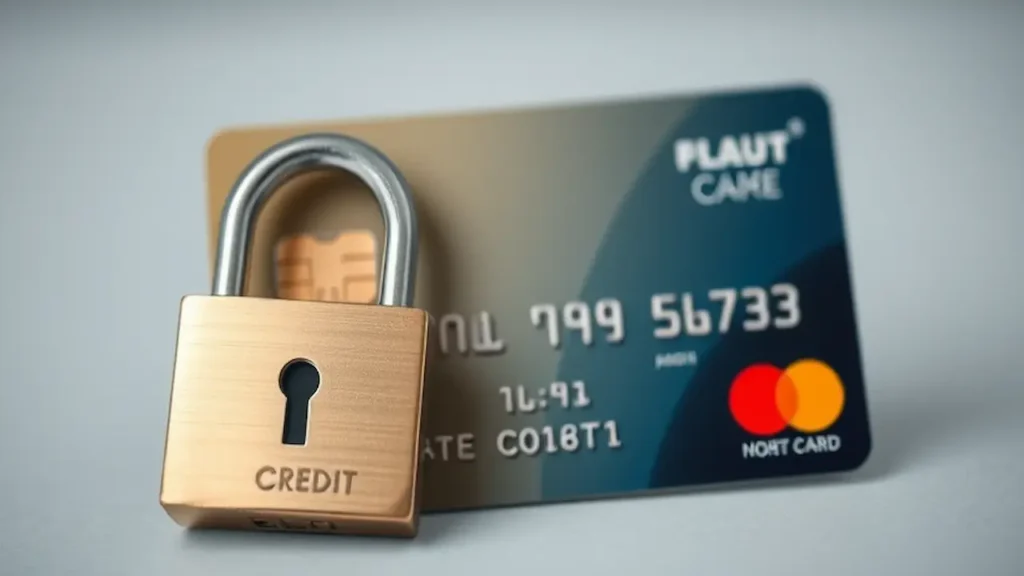
    Prevent unauthorized access by freezing your credit report with each bureau.

    3. Secure Your Personal Information

    Avoid sharing sensitive details like your Social Security number unnecessarily.

    Protecting Your Credit Report, Use Credit Monitoring Services, Freeze Your Credit, Secure Your Personal Information
    Protecting Your Credit Report, Use Credit Monitoring Services, Freeze Your Credit, Secure Your Personal Information

    Conclusion

    Understanding your credit report is the first step toward managing your financial health. By knowing what’s in your report, regularly reviewing it, and addressing errors promptly, you can maintain or improve your credit score. With this guide, you’re well-equipped to navigate the complexities of credit reports and take control of your financial future.
  • The Best Credit Cards for Building Credit in 2025

    The Best Credit Cards for Building Credit in 2025

    Building credit is a crucial financial step for achieving long-term goals such as purchasing a home, qualifying for better loan rates, or securing rental applications. For those looking to improve or establish their credit scores, selecting the right credit card can make all the difference. Here’s a comprehensive guide to the best credit cards for building credit in 2025, complete with tips on how to use them effectively.

    1. Why Credit Cards Are Key to Building Credit

    Credit cards are a powerful tool for building credit when used responsibly. They help you establish a payment history, which accounts for 35% of your credit score, and can also positively impact your credit utilization ratio. However, misuse can harm your credit, making it essential to choose the right card and use it wisely.

    Why Credit Cards Are Key to Building Credit
    Why Credit Cards Are Key to Building Credit

    2. Features to Look for in a Credit Card for Building Credit

    Low or No Fees

    Cards with low annual fees or no fees are ideal for beginners or those with limited credit histories.

    Reports to All Three Credit Bureaus

    Ensure the card issuer reports to Equifax, Experian, and TransUnion. This will help your credit score grow consistently.

    Low Credit Limits

    Cards with modest credit limits reduce the temptation to overspend, encouraging responsible use.

    Opportunities for Upgrades

    Some credit cards allow you to upgrade to better terms or rewards programs as your credit improves.

    Features to Look for in a Credit Card for Building Credit
    Features to Look for in a Credit Card for Building Credit

    3. The Best Secured Credit Cards for 2025

    Discover it® Secured Credit Card

    • Benefits: No annual fee, cashback rewards, and free access to your FICO score.
    • Best For: People with no credit history who want rewards while building credit.

    Capital One Platinum Secured

    • Benefits: Flexible deposit options starting as low as $49 for a $200 limit, and no annual fee.
    • Best For: Those who want a lower initial deposit.

    Citi® Secured Mastercard®

    • Benefits: No annual fee and easy access to online budgeting tools.
    • Best For: Budget-conscious individuals starting their credit journey.
    The Best Secured Credit Cards for 2025
    The Best Secured Credit Cards for 2025

    4. Best Student Credit Cards for Building Credit

    Discover it® Student Cash Back

    • Benefits: 5% cashback in rotating categories, a $20 statement credit for good grades, and no annual fee.
    • Best For: College students who want rewards and incentives for academic success.

    Chase Freedom® Student Credit Card

    • Benefits: $50 bonus after your first purchase and consistent opportunities for credit limit increases.
    • Best For: Students looking for straightforward rewards and growth opportunities.
    Best Student Credit Cards for Building Credit
    Best Student Credit Cards for Building Credit

    5. Credit Cards for People with No Credit History

    Petal® 2 “Cash Back, No Fees” Visa®

    • Benefits: No fees, up to 1.5% cashback, and no credit history required for approval.
    • Best For: First-time cardholders who value transparency and simplicity.

    Tomo Credit Card

    • Benefits: No credit check required, no fees, and cashback rewards.
    • Best For: Individuals who want to avoid hard inquiries while building credit.
    Credit Cards for People with No Credit History
    Credit Cards for People with No Credit History

    6. Tips for Using Credit Cards to Build Credit

    Make On-Time Payments

    Pay your credit card bill in full and on time every month. Payment history has the most significant impact on your credit score.

    Keep Utilization Low

    Aim to use no more than 30% of your available credit limit.

    Monitor Your Credit

    Regularly check your credit report and score to track your progress and spot any inaccuracies.

    Avoid Applying for Multiple Cards

    Applying for too many credit cards in a short time can negatively impact your score.

    Tips for Using Credit Cards to Build Credit
    Tips for Using Credit Cards to Build Credit

    7. When to Upgrade to a Better Credit Card

    As your credit score improves, you may qualify for credit cards with better rewards, higher limits, or additional perks. Consider upgrading when:

    • Your credit score surpasses 700.
    • You’ve consistently paid your bills on time for at least a year.
    • You’ve outgrown the benefits of your current card.
    When to Upgrade to a Better Credit Card
    When to Upgrade to a Better Credit Card

    8. Common Mistakes to Avoid While Building Credit

    Missing Payments

    Even one missed payment can significantly harm your credit score.

    Maxing Out Your Credit Limit

    High utilization signals risk to lenders and can lower your score.

    Ignoring Your Credit Report

    Errors on your credit report can go unnoticed and harm your credit score if left unaddressed.

    Common Mistakes to Avoid While Building Credit
    Common Mistakes to Avoid While Building Credit

    9. Alternatives to Credit Cards for Building Credit

    If you’re hesitant about using credit cards, consider these alternatives:

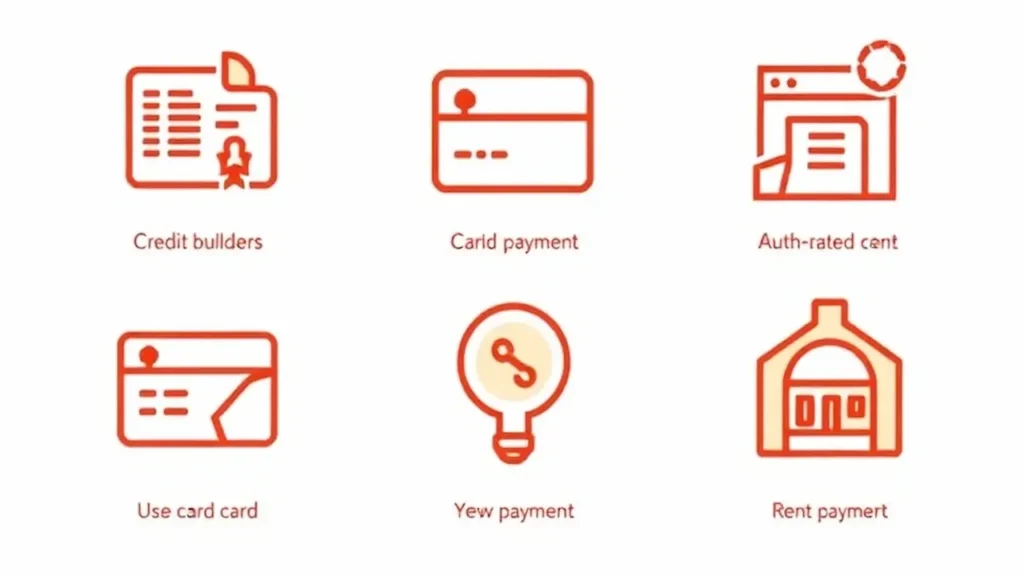
    • Credit-Builder Loans: Small loans designed to help you establish credit.
    • Authorized User Status: Become an authorized user on a trusted family member’s credit card.
    • Rent Reporting Services: Services like RentTrack allow you to build credit by reporting rent payments to credit bureaus.
    Alternatives to Credit Cards for Building Credit
    Alternatives to Credit Cards for Building Credit

    Conclusion

    The right credit card can be a stepping stone to excellent credit when used responsibly. Whether you opt for a secured card, a student card, or one tailored for beginners, always focus on timely payments and low utilization. By making informed decisions, you can build a strong financial foundation for future opportunities.

  • How to Avoid Credit Card Debt While Still Using Rewards

    How to Avoid Credit Card Debt While Still Using Rewards

    Credit cards offer enticing rewards like cashback, travel points, and discounts, but they can also lead to debt if not managed carefully. Striking a balance between earning rewards and avoiding credit card debt is a skill that requires discipline and strategic planning. This guide provides actionable tips to help you enjoy the perks of credit card rewards without falling into financial traps.

    1. Understand Your Spending Habits

    Why It Matters

    Before diving into credit card rewards, assess your spending habits. If you’re prone to impulse purchases, using a rewards card might lead to overspending.

    How to Do It

    • Track your expenses for a month to identify patterns.
    • Create a realistic budget that aligns with your income and financial goals.
    • Use credit cards only for planned purchases that fit your budget.
    Understand Your Spending Habits
    Understand Your Spending Habits

    2. Pay Off Your Balance in Full Each Month

    Why It Matters

    Carrying a balance negates the value of rewards because of high interest rates. Paying your bill in full each month helps you avoid interest charges and stay debt-free.

    How to Do It

    • Set up autopay to ensure timely payments.
    • Use your card only for purchases you can afford to pay off immediately.
    2. Pay Off Your Balance in Full Each Month
    2. Pay Off Your Balance in Full Each Month

    3. Choose the Right Rewards Card

    Why It Matters

    Not all rewards cards are created equal. Selecting one that matches your spending habits ensures you maximize benefits without added costs.

    How to Do It

    • Look for cards with no annual fee if you’re a casual spender.
    • Match the rewards program to your lifestyle (e.g., cashback for groceries, travel points for frequent flyers).
    • Avoid cards with high APRs unless you’re confident in paying off the balance monthly.
    Choose the Right Rewards Card
    Choose the Right Rewards Card

    4. Avoid Overspending for Rewards

    Why It Matters

    Rewards programs are designed to encourage spending, but overspending can lead to debt that outweighs the value of rewards earned.

    How to Do It

    • Stick to your budget and avoid unnecessary purchases, even if they come with extra points or cashback.
    • Treat rewards as a bonus, not a reason to spend.
    Avoid Overspending for Rewards
    Avoid Overspending for Rewards

    5. Use Rewards Strategically

    Why It Matters

    Maximizing the value of your rewards ensures you get the most benefit without additional costs.

    How to Do It

    • Redeem rewards for practical benefits like statement credits or travel discounts.
    • Avoid redeeming points for low-value options like gift cards unless necessary.
    Use Rewards Strategically
    Use Rewards Strategically

    6. Watch Out for Hidden Fees

    Why It Matters

    Annual fees, foreign transaction fees, and late payment penalties can eat into the value of your rewards.

    How to Do It

    • Choose cards with minimal or no fees that align with your spending habits.
    • Set reminders to pay on time and avoid penalty fees.
    Watch Out for Hidden Fees
    Watch Out for Hidden Fees

    7. Limit the Number of Cards You Use

    Why It Matters

    Juggling multiple rewards cards increases the risk of missing payments and accumulating debt.

    How to Do It

    • Start with one or two cards that offer broad benefits.
    • Focus on cards that provide rewards for your most frequent expenses.
    Limit the Number of Cards You Use
    Limit the Number of Cards You Use

    8. Use Technology to Stay on Track

    Why It Matters

    Apps and tools can help you monitor your spending and ensure you’re making the most of your rewards while avoiding debt.

    How to Do It

    • Use personal finance apps like Mint or YNAB to track expenses and balances.
    • Enable alerts for approaching due dates or overspending.
    Use Technology to Stay on Track
    Use Technology to Stay on Track

    9. Redeem Rewards Regularly

    Why It Matters

    Some rewards expire if not redeemed within a specific timeframe. Regular redemption ensures you get the full value of your rewards.

    How to Do It

    • Set reminders to check your rewards balance monthly.
    • Redeem points or cashback as soon as they reach a useful threshold.
    Redeem Rewards Regularly
    Redeem Rewards Regularly

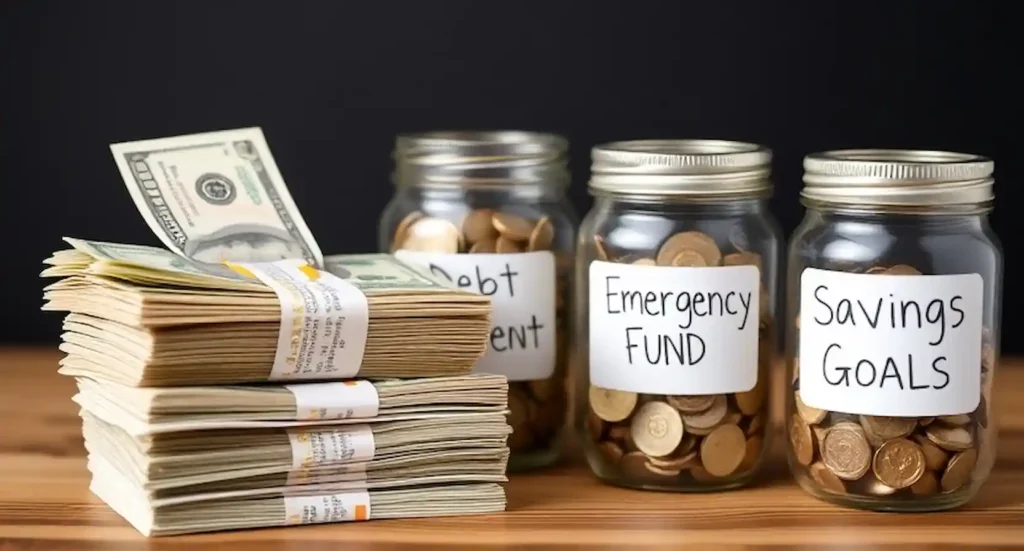
    10. Have an Emergency Fund

    Why It Matters

    An emergency fund reduces the likelihood of relying on credit cards for unexpected expenses, helping you avoid debt.

    How to Do It

    • Save at least three to six months’ worth of expenses in a high-yield savings account.
    • Contribute consistently, even if it’s a small amount each month.
    A stack of cash next to labeled jars for Emergency Fund, Debt Payment, and Savings Goals.
    A stack of cash next to labeled jars for Emergency Fund, Debt Payment, and Savings Goals.

    Conclusion

    Using credit cards for rewards can be a smart financial strategy if done responsibly. By paying off balances in full, choosing the right card, and sticking to a budget, you can enjoy the perks of rewards without the stress of debt. Stay disciplined, leverage technology, and remember that rewards are a bonus—not a reason to overspend.

  • Credit Myths Debunked: What You Need to Know

    Credit Myths Debunked: What You Need to Know

    Credit plays a crucial role in our financial lives, yet it’s surrounded by misconceptions that can lead to poor decisions and unnecessary stress. To build and maintain a healthy credit profile, it’s essential to separate fact from fiction. Here, we debunk some of the most common credit myths and provide actionable advice to help you navigate the world of credit.

    1. Myth: Checking Your Credit Score Will Lower It

    The Truth

    Many people avoid checking their credit score out of fear it will hurt their credit. However, checking your own credit is considered a soft inquiry and has no impact on your score. Hard inquiries, on the other hand, are initiated by lenders when you apply for credit and can temporarily lower your score.

    What You Should Do

    • Regularly monitor your credit through free tools like Credit Karma or Experian.
    • Review your full credit report annually from all three major bureaus (Equifax, Experian, TransUnion).
    Checking Your Credit Score Will Lower It
    Checking Your Credit Score Will Lower It

    2. Myth: Closing Old Credit Cards Improves Your Credit Score

    The Truth

    Closing an old credit card account can actually harm your credit score. This is because your credit history length is an essential factor in determining your score. Additionally, closing an account reduces your available credit, increasing your utilization rate.

    What You Should Do

    • Keep old accounts open, especially those with no annual fee.
    • Use older cards occasionally for small purchases to keep them active.
    Closing Old Credit Cards Improves Your Credit Score
    Closing Old Credit Cards Improves Your Credit Score

    3. Myth: You Need to Carry a Balance to Build Credit

    The Truth

    Carrying a balance does not improve your credit score. In fact, it leads to interest charges, which cost you money unnecessarily. Your credit score benefits from paying your balance in full each month while maintaining a low utilization rate.

    What You Should Do

    • Pay off your credit card balance in full by the due date to avoid interest.
    • Use less than 30% of your available credit to maintain a healthy utilization ratio.
    You Need to Carry a Balance to Build Credit
    You Need to Carry a Balance to Build Credit

    4. Myth: Your Income Affects Your Credit Score

    The Truth

    While lenders consider your income when approving loans or credit limits, your income is not a factor in your credit score calculation. Credit scores are based on your payment history, credit utilization, length of credit history, credit mix, and recent inquiries.

    What You Should Do

    • Focus on managing your credit responsibly, regardless of your income.
    • Ensure you live within your means to avoid overextending your credit.
    Your Income Affects Your Credit Score
    Your Income Affects Your Credit Score

    5. Myth: Debit Cards Help Build Credit

    The Truth

    Using a debit card does not contribute to building credit because it doesn’t involve borrowing money. Only accounts involving credit, such as credit cards, loans, or lines of credit, are reported to credit bureaus.

    What You Should Do

    • Use a credit card for small, manageable purchases and pay off the balance in full to build credit.
    • Consider a secured credit card if you’re new to credit.
    Debit Cards Help Build Credit
    Debit Cards Help Build Credit

    6. Myth: All Debt Is Bad

    The Truth

    Not all debt is bad. Some types of debt, such as mortgages or student loans, are considered “good debt” because they often come with lower interest rates and can lead to financial growth. Credit cards or payday loans with high-interest rates, however, can quickly become burdensome.

    What You Should Do

    • Differentiate between good and bad debt.
    • Manage all debt responsibly by making timely payments.
    All Debt Is Bad
    All Debt Is Bad

    7. Myth: You Only Have One Credit Score

    The Truth

    You actually have multiple credit scores. Different scoring models, such as FICO and VantageScore, calculate your credit score slightly differently. Additionally, each credit bureau may have its own version of your score.

    What You Should Do

    • Focus on the general principles of credit management, as these apply across all scoring models.
    • Don’t stress over minor differences between scores from different models.
    You Only Have One Credit Score
    You Only Have One Credit Score

    8. Myth: Employers Can See Your Credit Score

    The Truth

    Employers do not have access to your credit score. They can, however, request a modified version of your credit report with your permission. This report helps them assess financial responsibility but doesn’t include your score.

    What You Should Do

    • Be prepared to explain any negative marks on your credit report if a potential employer asks.
    • Maintain a positive credit history to avoid potential concerns.
    Employers Can See Your Credit Score
    Employers Can See Your Credit Score

    9. Myth: Paying Off Collections Instantly Improves Your Score

    The Truth

    While paying off collections is a positive step, it doesn’t necessarily remove the collection account from your credit report. However, some scoring models, like the newer FICO versions, ignore paid collection accounts, which can improve your score over time.

    What You Should Do

    • Negotiate with the collection agency to have the account removed upon payment (“pay-for-delete” agreement).
    • Focus on preventing accounts from going to collections in the first place by paying bills on time.
    Paying Off Collections Instantly Improves Your Score
    Paying Off Collections Instantly Improves Your Score

    10. Myth: You Should Never Apply for New Credit

    The Truth

    Applying for new credit results in a hard inquiry, which can temporarily lower your score. However, opening new accounts strategically can diversify your credit mix and boost your score in the long term.

    What You Should Do

    • Only apply for credit when necessary and space out applications to avoid multiple hard inquiries.
    • Use new credit accounts responsibly to build a positive payment history.
    You Should Never Apply for New Credit
    You Should Never Apply for New Credit

    Conclusion

    Understanding the truth about credit is essential for making informed financial decisions. By debunking common myths, you can focus on what truly matters when building and maintaining good credit. Whether it’s paying down balances, keeping old accounts open, or monitoring your credit report, the steps you take today will set the foundation for a stronger financial future.

  • Top 5 Ways to Improve Your Credit Score Fast

    Top 5 Ways to Improve Your Credit Score Fast

    Your credit score is one of the most important aspects of your financial health. A good score can help you secure better loan terms, qualify for credit cards, and even impact your ability to rent an apartment. Improving your credit score quickly requires strategic actions and careful planning. Here are the top five ways to boost your score efficiently and effectively.

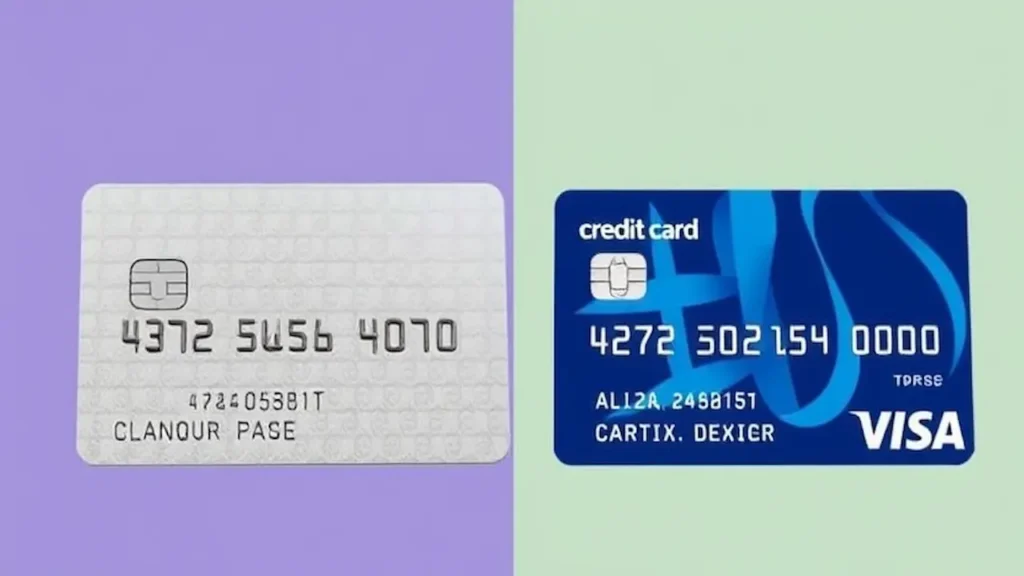
    1. Pay Down Credit Card Balances

    Why It Works

    One of the biggest factors in your credit score is your credit utilization rate, which measures how much of your available credit you’re using. A high utilization rate can signal financial strain and lower your score.
    How to Do It

    • Prioritize paying off high-interest credit cards first.
    • Aim to use less than 30% of your available credit, but for the fastest improvement, target 10% or lower.
    • If possible, make multiple payments each month to keep your balances consistently low.
    Pay Down Credit Card Balances
    Pay Down Credit Card Balances

    2. Dispute Errors on Your Credit Report

    Why It Works

    Errors on your credit report, such as incorrect account information or fraudulent activity, can drag down your score unnecessarily. Removing these errors can lead to a quick boost.

    How to Do It

    • Request a free credit report from AnnualCreditReport.com.
    • Check for inaccuracies such as incorrect balances, late payments, or accounts you didn’t open.
    • File a dispute with the credit bureau(s) reporting the error. Provide supporting documents to speed up the resolution.
    Dispute Errors on Your Credit Report
    Dispute Errors on Your Credit Report

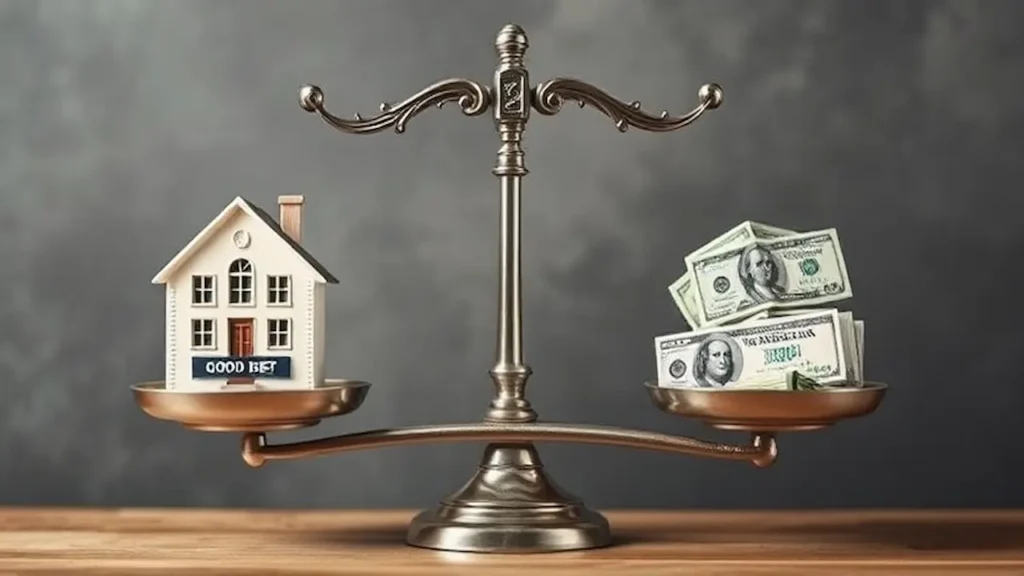
    3. Request a Credit Limit Increase

    Why It Works

    Increasing your credit limit reduces your credit utilization rate if you keep your spending the same. This can improve your score significantly and quickly.
    How to Do It

    • Contact your credit card issuer and request a limit increase.
    • Highlight your positive payment history and stable income during the request.
    • Avoid using the new limit to make additional purchases, as this negates the benefit.
    Request a Credit Limit Increase
    Request a Credit Limit Increase

    4. Pay Bills on Time

    Why It Works

    Payment history accounts for 35% of your credit score. Even a single late payment can have a dramatic negative effect, while consistent on-time payments build a positive track record.

    How to Do It

    • Set up automatic payments for all your bills to avoid forgetting due dates.
    • If you’ve missed a payment recently, pay it as soon as possible. Lenders often report late payments after 30 days, so acting quickly can mitigate damage.
    • Contact your lender to see if they can waive the late payment fee or avoid reporting it to the credit bureaus if you’ve been a reliable customer.
    Pay Bills on Time
    Pay Bills on Time

    5. Add Positive Accounts to Your Credit Report

    Why It Works

    Adding new accounts with positive payment history can diversify your credit profile and boost your score. Even non-traditional accounts, such as rent or utilities, can contribute.

    How to Do It

    • Sign up for programs like Experian Boost to add utility and telecom payments to your credit report.
    • Consider taking out a credit-builder loan or secured credit card if you have limited credit history.
    • Become an authorized user on someone else’s credit card to benefit from their good credit behavior.
    Add Positive Accounts to Your Credit Report
    Add Positive Accounts to Your Credit Report

    Bonus Tips for Sustaining Your Credit Score Improvement

    • Avoid New Credit Applications: Hard inquiries from credit applications can temporarily lower your score. Only apply for new credit when necessary.
    • Use Old Credit Accounts: Keep your oldest accounts open to maintain a long credit history. Even occasional use of these accounts keeps them active.
    • Monitor Your Progress: Use free credit monitoring tools to track your score improvements and stay alert for changes.
    Bonus Tips for Sustaining Your Credit Score Improvement
    Bonus Tips for Sustaining Your Credit Score Improvement

    Conclusion

    Improving your credit score fast is achievable with focused effort and smart financial decisions. Start by paying down balances, fixing errors, and maintaining on-time payments. These actions not only boost your score quickly but also set the stage for long-term financial success. By understanding how credit works and leveraging strategic tools, you can enjoy the benefits of a higher score in no time.

  • How to Build Credit from Scratch: A Beginner’s Guide

    How to Build Credit from Scratch: A Beginner’s Guide

    Building credit is a crucial step in achieving financial independence and opening doors to opportunities such as qualifying for loans, renting an apartment, or even landing certain jobs. If you’re starting with no credit history, the process might seem daunting. However, by following some clear steps, you can establish a strong credit foundation that will benefit you in the long term.

    1. Understand What Credit Is and Why It Matters

    What Is Credit?

    Credit is your ability to borrow money or access goods and services with the agreement to pay later. Your creditworthiness is typically measured by your credit score, which is calculated based on your credit history.

    Why Is It Important?

    Good credit can help you secure better interest rates on loans, qualify for credit cards, and even save money on insurance premiums. It also demonstrates financial responsibility to potential landlords or employers.

    Understand What Credit Is and Why It Matters
    Understand What Credit Is and Why It Matters

    2. Check If You Already Have a Credit History

    How to Check

    Before starting from scratch, confirm whether you have any existing credit accounts. You can request a free credit report from websites like AnnualCreditReport.com.

    Why It Matters

    You might unknowingly have a credit history if you’ve co-signed on a loan, had a student loan, or opened a bank account that offered overdraft protection. Knowing your starting point will guide your next steps.

    Check If You Already Have a Credit History
    Check If You Already Have a Credit History

    3. Open a Secured Credit Card

    What Is a Secured Credit Card?

    A secured credit card requires a cash deposit as collateral, which acts as your credit limit. It’s a beginner-friendly way to establish credit.

    How to Use It Wisely

    • Use it for small, regular purchases like groceries or gas.
    • Pay off the balance in full each month to avoid interest charges.
    • Never exceed 30% of your credit limit to maintain a healthy credit utilization rate.
    Open a Secured Credit Card
    Open a Secured Credit Card

    4. Become an Authorized User on Someone Else’s Card

    How It Works

    If a family member or close friend has a credit card with a good history, they can add you as an authorized user. You’ll benefit from their positive credit history without being responsible for payments.

    Points to Consider

    Make sure the primary cardholder has a good payment history and low credit utilization. Their habits will directly affect your credit score.

    Become an Authorized User on Someone Else’s Card
    Become an Authorized User on Someone Else’s Card

    5. Apply for a Credit-Builder Loan

    What Is It?

    A credit-builder loan is designed to help individuals with no credit history. You make fixed payments into a savings account, and once the term is complete, you receive the funds and positive marks on your credit report.

    Where to Get One

    Look for credit-builder loans at local banks, credit unions, or online lenders.

    Apply for a Credit-Builder Loan
    Apply for a Credit-Builder Loan

    6. Pay Your Bills on Time

    Why It Matters

    Payment history makes up 35% of your credit score. Late payments, even on non-credit accounts like utilities or rent, can hurt your credit if reported to credit bureaus.

    How to Stay Organized

    • Set up automatic payments or reminders for all bills.
    • Prioritize paying at least the minimum amount due on credit accounts.
    Pay Your Bills on Time
    Pay Your Bills on Time

    7. Keep Credit Utilization Low

    What Is Credit Utilization?

    Credit utilization is the percentage of your available credit that you’re using. Keeping it below 30% is essential for a healthy credit score.

    How to Manage It

    • Pay off your balances in full whenever possible.
    • If you have a secured card, consider increasing your deposit to raise your limit.
    Keep Credit Utilization Low
    Keep Credit Utilization Low

    8. Avoid Applying for Too Many Credit Accounts

    Why It’s Important

    Each credit application triggers a hard inquiry on your credit report, which can lower your score slightly. Too many inquiries in a short time may signal financial instability.

    What to Do Instead

    Space out applications and only apply for credit when necessary. Focus on building history with one or two accounts first.

    Avoid Applying for Too Many Credit Accounts
    Avoid Applying for Too Many Credit Accounts

    9. Monitor Your Progress Regularly

    Why Monitor?

    Tracking your credit score allows you to see how your actions impact your credit. It also helps identify errors or signs of fraud.

    Tools to Use

    Use free credit score monitoring services like Credit Karma or Experian. Check your credit report at least once a year.

    Monitor Your Progress Regularly
    Monitor Your Progress Regularly

    10. Be Patient and Consistent

    Building Credit Takes Time

    Good credit is not built overnight. It requires consistent financial habits over months and years.

    Celebrate Small Wins

    Each on-time payment and responsible decision contributes to your financial health. Celebrate milestones like reaching a score of 650, 700, and beyond.

    Be Patient and Consistent
    Be Patient and Consistent

    Conclusion

    Building credit from scratch might feel overwhelming at first, but with a clear plan and consistent effort, it’s entirely achievable. Start small with secured credit cards or credit-builder loans, focus on paying bills on time, and monitor your progress regularly. Over time, these habits will lay the foundation for a strong credit profile, opening doors to greater financial opportunities.

  • How to Save on Holiday Shopping Without Going Into Debt

    How to Save on Holiday Shopping Without Going Into Debt

    The holiday season is a time of joy, giving, and celebrations, but it can also bring financial stress if you’re not careful. Overspending during this festive period often leads to regret and debt. However, with some smart strategies, you can enjoy the holidays without draining your bank account. This guide provides actionable tips to save on holiday shopping while staying within your budget.

    1. Set a Holiday Spending Budget

    Why It Matters

    A budget is your roadmap to staying financially healthy during the holidays. Knowing how much you can afford helps you avoid overspending.

    How to Create One

    • List Expected Expenses: Include gifts, decorations, food, travel, and any holiday-related activities.
    • Determine Your Spending Limit: Based on your income and savings, decide how much you can comfortably allocate.
    • Stick to Your Plan: Track expenses to ensure you stay within your budget.
    Set a Holiday Spending Budget, Why It Matters,
    Set a Holiday Spending Budget, Why It Matters,

    2. Start Shopping Early

    Avoid Last-Minute Panic Buying

    Procrastination leads to rushed decisions and higher costs. Shopping early gives you time to compare prices and find deals.

    Take Advantage of Sales

    Watch for discounts during Black Friday, Cyber Monday, or pre-holiday sales. Spreading your purchases over several months can also reduce financial strain.

    Start Shopping Early, Avoid Last-Minute Panic Buying, Take Advantage of Sales
    Start Shopping Early, Avoid Last-Minute Panic Buying, Take Advantage of Sales

    3. Make a Gift List and Stick to It

    Prioritize Your Recipients

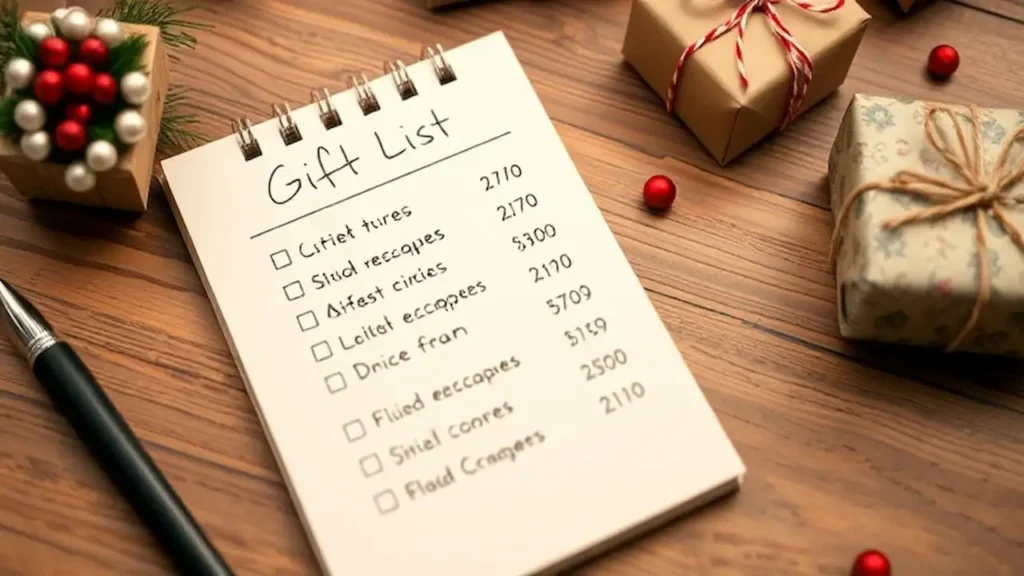
    Write down everyone you plan to buy for and assign a spending limit for each person. This prevents impulse purchases.

    Opt for Meaningful Gifts

    Focus on thoughtful presents rather than expensive items. Handmade or personalized gifts often have more sentimental value without breaking the bank.

    Make a Gift List and Stick to It, Prioritize Your Recipients, Opt for Meaningful Gifts
    Make a Gift List and Stick to It, Prioritize Your Recipients, Opt for Meaningful Gifts

    4. Embrace DIY and Creative Gift Options

    Homemade Gifts

    Baking cookies, creating photo albums, or knitting scarves are budget-friendly ways to show you care.

    Experience-Based Gifts

    Offer your time instead of material items. A home-cooked meal, babysitting services, or a free car wash can be just as valuable.

    Embrace DIY and Creative Gift Options, Homemade Gifts, Experience-Based Gifts
    Embrace DIY and Creative Gift Options, Homemade Gifts, Experience-Based Gifts

    5. Use Cashback and Rewards Programs

    Maximize Credit Card Benefits

    If you have a rewards credit card, use it strategically to earn cashback or points on purchases. Just make sure to pay the balance in full to avoid interest.

    Shop Through Cashback Websites

    Websites like Rakuten, Honey, or Swagbucks offer rebates for online shopping, adding savings to your budget.

    Use Cashback and Rewards Programs, Maximize Credit Card Benefits, Shop Through Cashback Websites
    Use Cashback and Rewards Programs, Maximize Credit Card Benefits, Shop Through Cashback Websites

    6. Avoid the Trap of Buy-Now-Pay-Later Plans

    Why It’s Risky

    While installment plans like Afterpay or Klarna seem convenient, they can lead to overspending and debt if not managed carefully.

    Alternative Approach

    Stick to your budget and avoid spending money you don’t currently have. Save up for larger purchases instead of relying on financing options.

    Avoid the Trap of Buy-Now-Pay-Later Plans, Why It’s Risky, Alternative Approach
    Avoid the Trap of Buy-Now-Pay-Later Plans, Why It’s Risky, Alternative Approach

    7. Take Advantage of Free or Low-Cost Activities

    Holiday Fun on a Budget

    You don’t need to spend a fortune to enjoy the holidays. Attend free community events, drive through neighborhoods with festive lights, or host a potluck dinner with friends.

    DIY Decorations

    Instead of buying expensive ornaments, make your own decorations using items like paper, pinecones, or recycled materials.

    Take Advantage of Free or Low-Cost Activities, Holiday Fun on a Budget, DIY Decorations
    Take Advantage of Free or Low-Cost Activities, Holiday Fun on a Budget, DIY Decorations

    8. Use Price Comparison Tools

    Save Time and Money

    Apps like Google Shopping, CamelCamelCamel, or PriceGrabber allow you to compare prices across retailers, ensuring you get the best deal.

    Monitor Deals

    Set alerts for price drops on items you want. Shopping smart can save you a significant amount on holiday gifts.

    Use Price Comparison Tools, Save Time and Money, Monitor Deals
    Use Price Comparison Tools, Save Time and Money, Monitor Deals

    9. Set Gift Exchange Rules

    Secret Santa

    Instead of buying gifts for everyone in your family or friend group, organize a Secret Santa. This reduces the number of gifts you need to buy.

    Spending Limits

    Agree on a maximum price for gifts. This keeps everyone on the same page and prevents overspending.

    Set Gift Exchange Rules, Secret Santa, Spending Limits
    Set Gift Exchange Rules, Secret Santa, Spending Limits

    10. Skip the Gift Wrap Expenses

    Eco-Friendly Alternatives

    Use newspaper, fabric, or reusable gift bags to wrap your presents. These options are often cheaper and more sustainable.

    DIY Gift Tags

    Make your own tags using craft paper or leftover holiday cards. They’re easy to create and add a personal touch.

    Skip the Gift Wrap Expenses, Eco-Friendly Alternatives, DIY Gift Tags
    Skip the Gift Wrap Expenses, Eco-Friendly Alternatives, DIY Gift Tags

    11. Track Your Spending

    Why Tracking Matters

    It’s easy to lose sight of your spending during the holidays. Keeping a record ensures you stay within your budget.

    Use Budgeting Apps

    Apps like Mint, YNAB, or PocketGuard can help you monitor expenses in real time.

    Track Your Spending, Why Tracking Matters, Use Budgeting Apps
    Track Your Spending, Why Tracking Matters, Use Budgeting Apps

    12. Plan Ahead for Next Year

    Start a Holiday Savings Fund

    Set aside a small amount each month for holiday shopping. By next December, you’ll have a dedicated fund ready to use.

    Shop Post-Holiday Sales

    Buy decorations, wrapping paper, and even gifts at steep discounts after the holidays to use next year.

    Plan Ahead for Next Year, Start a Holiday Savings Fund, Shop Post-Holiday Sales
    Plan Ahead for Next Year, Start a Holiday Savings Fund, Shop Post-Holiday Sales

    Conclusion

    Holiday shopping doesn’t have to mean going into debt. By setting a budget, shopping strategically, and embracing creativity, you can enjoy the season without financial stress. Use these tips to make the most of your holiday spending while staying debt-free and ready for a prosperous new year.

  • Save More by Decluttering and Selling Unused Items

    Save More by Decluttering and Selling Unused Items

    Decluttering is not just about organizing your home—it’s also an excellent way to boost your savings. By identifying and selling unused or unwanted items, you can create a cleaner, more organized space while adding extra cash to your wallet. This guide will show you how to declutter effectively and maximize your earnings through strategic selling.

    1. The Benefits of Decluttering and Selling

    Free Up Space

    Decluttering your home makes it more organized and enjoyable to live in. Extra space allows you to focus on what truly matters.

    Boost Your Savings

    Unused items gathering dust could be worth hundreds or even thousands of dollars. Selling them can provide a financial boost for emergencies, debt repayment, or savings goals.

    Reduce Waste

    Decluttering promotes sustainability. By selling or donating, you give items a second life and reduce waste going to landfills.

    The Benefits of Decluttering and Selling, Free Up Space, Boost Your Savings, Reduce Waste
    The Benefits of Decluttering and Selling, Free Up Space, Boost Your Savings, Reduce Waste

    2. How to Start Decluttering Your Home

    Adopt the KonMari Method

    Tackle one category at a time, such as clothes, books, or kitchenware. Keep only what “sparks joy” and consider selling the rest.

    Work Room by Room

    Focus on one area of your home at a time. For instance, start with the bedroom closet before moving to the garage or attic.

    Set a Decluttering Schedule

    Commit to small, manageable sessions. Even dedicating 15–30 minutes a day can make a significant impact over time.

    How to Start Decluttering Your Home, Adopt the KonMari Method, Work Room by Room, Set a Decluttering Schedule
    How to Start Decluttering Your Home, Adopt the KonMari Method, Work Room by Room, Set a Decluttering Schedule

    3. Identifying Items to Sell

    High-Demand Items

    Electronics, furniture, designer clothing, and gently used appliances are often sought after and can sell quickly.

    Unused or Duplicate Items

    Kitchen gadgets, home décor, and tools you haven’t used in months or items you have multiples of can be profitable.

    Sentimental Items

    While harder to part with, sentimental items like collectibles or antiques could be worth more than you expect. Consider selling only those with no significant emotional attachment.

    Identifying Items to Sell, High-Demand Items, Unused or Duplicate Items, Sentimental Items
    Identifying Items to Sell, High-Demand Items, Unused or Duplicate Items, Sentimental Items

    4. Platforms for Selling Unused Items

    Online Marketplaces

    Websites like eBay, Facebook Marketplace, and Craigslist allow you to reach a broad audience. Apps like Poshmark and Mercari are great for selling clothes and accessories.

    Specialized Platforms

    For niche items, consider platforms like Decluttr for electronics or Reverb for musical instruments. Selling specific items on the right platform can yield better returns.

    Garage Sales and Local Events

    Hosting a garage sale or participating in local flea markets can help you quickly offload multiple items while connecting with buyers in your community.

    Platforms for Selling Unused Items, Online Marketplaces, Specialized Platforms, Garage Sales and Local Events
    Platforms for Selling Unused Items, Online Marketplaces, Specialized Platforms, Garage Sales and Local Events

    5. Tips for Listing and Selling Your Items

    Take High-Quality Photos

    Clear, well-lit photos help items stand out. Use a plain background and multiple angles to showcase the product.

    Write Honest Descriptions

    Be transparent about the condition, dimensions, and any flaws. Buyers appreciate honesty and detailed information.

    Price Competitively

    Research similar items online to set a competitive but fair price. For faster sales, consider pricing slightly below market value.

    Tips for Listing and Selling Your Items, Take High-Quality Photos, Write Honest Descriptions, Price Competitively
    Tips for Listing and Selling Your Items, Take High-Quality Photos, Write Honest Descriptions, Price Competitively

    6. What to Do With Unsold Items

    Reevaluate Pricing

    Lowering the price or offering bundles can attract buyers who might have hesitated at the original cost.

    Donate for Tax Deductions

    Items that don’t sell can be donated to local charities or thrift stores. Be sure to keep receipts for possible tax deductions.

    Recycle or Repurpose

    For items that cannot be sold or donated, consider recycling or repurposing them into something useful.

    What to Do With Unsold Items, Reevaluate Pricing, Donate for Tax Deductions, Recycle or Repurpose
    What to Do With Unsold Items, Reevaluate Pricing, Donate for Tax Deductions, Recycle or Repurpose

    7. Avoid Common Mistakes

    Overpricing Items

    Setting prices too high can deter buyers. Check comparable listings to ensure your pricing is realistic.

    Ignoring Buyer Communication

    Quickly respond to inquiries and negotiate politely to build trust and close sales.

    Delaying the Process

    Procrastination can lead to items piling up again. Stay consistent with decluttering and selling.

    Avoid Common Mistakes, Ignoring Buyer Communication, Delaying the Process
    Avoid Common Mistakes, Ignoring Buyer Communication, Delaying the Process

    8. Use Profits Wisely

    Boost Your Emergency Fund

    Set aside a portion of your earnings to build or enhance your emergency fund.

    Pay Down Debt

    If you have outstanding debt, use the extra money to make additional payments and reduce interest costs.

    Invest in Future Goals

    Consider using your profits for investments, education, or saving toward a dream vacation or home improvement project.

    Use Profits Wisely, Boost Your Emergency Fund, Pay Down Debt, Invest in Future Goals
    Use Profits Wisely, Boost Your Emergency Fund, Pay Down Debt, Invest in Future Goals

    9. Keep the Decluttering Habit Alive

    Adopt a One-In, One-Out Rule

    For every new item you bring into your home, commit to removing one. This keeps clutter in check and encourages mindful consumption.

    Regular Decluttering Sessions

    Make decluttering a seasonal activity. Set aside time every few months to go through your possessions.

    Encourage the Family to Join

    Get everyone involved in the process. Teaching children the value of decluttering and selling items can instill financial responsibility early on.

    Keep the Decluttering Habit Alive, Adopt a One-In, One-Out Rule, Regular Decluttering Sessions, Encourage the Family to Join
    Keep the Decluttering Habit Alive, Adopt a One-In, One-Out Rule, Regular Decluttering Sessions, and Encourage the Family to Join

    Conclusion

    Decluttering isn’t just about cleaning—it’s a powerful way to save money and create financial opportunities. By strategically selling unused items, you can transform clutter into cash and achieve your savings goals faster. Whether you use online platforms, host a garage sale, or donate, the key is to stay consistent and mindful about your possessions.

  • How to Save Money While Paying Off Debt

    How to Save Money While Paying Off Debt

    How to Save Money While Paying Off Debt

    Paying off debt can feel overwhelming, especially when you’re trying to save money at the same time. However, it’s entirely possible to tackle both goals simultaneously with the right strategies. By prioritizing, budgeting, and making mindful financial decisions, you can work toward a debt-free future without sacrificing your savings. Here’s a guide to help you save money while paying off debt effectively.

    1. Assess Your Financial Situation

    Calculate Your Debt and Savings

    List all your debts, including balances, interest rates, and minimum payments. Then, review your current savings. This will give you a clear picture of where you stand financially.

    Set Priorities

    Decide how much of your income will go toward debt repayment and how much will be allocated to savings. Consider keeping a small emergency fund if you don’t already have one.

    Assess Your Financial Situation, Calculate Your Debt and Savings, Set Priorities
    Assess Your Financial Situation, Calculate Your Debt and Savings, Set Priorities

    2. Create a Realistic Budget

    Track Your Income and Expenses

    Record all your monthly expenses and categorize them into needs, wants, and debt payments. Identify areas where you can cut back.

    Allocate Funds Wisely

    Use the 50/30/20 rule as a guideline: 50% of your income for needs, 30% for wants, and 20% for savings and debt repayment. Adjust the percentages based on your priorities.

    Create a Realistic Budget, Track Your Income and Expenses, Allocate Funds Wisely
    Create a Realistic Budget, Track Your Income and Expenses, Allocate Funds Wisely

    Use the Avalanche Method

    Pay off debts with the highest interest rates first while making minimum payments on others. This saves you money on interest in the long run.

    Consider the Snowball Method

    If you need motivation, start with the smallest debt. Paying off smaller balances quickly can give you a sense of accomplishment and keep you motivated.

    Focus on High-Interest Debt First, Use the Avalanche Method, Consider the Snowball Method
    Focus on High-Interest Debt First, Use the Avalanche Method, Consider the Snowball Method

    4. Build a Small Emergency Fund

    Why It’s Essential

    An emergency fund can prevent you from relying on credit cards or loans during unexpected expenses, keeping you on track with debt repayment.

    Start Small

    Aim for $500 to $1,000 initially. Contribute small amounts consistently, even while focusing on debt.

    Build a Small Emergency Fund, Why It’s Essential, Start Small
    Build a Small Emergency Fund, Why It’s Essential, Start Small

    5. Lower Your Monthly Expenses

    Cut Unnecessary Spending

    Eliminate or reduce discretionary expenses such as dining out, subscriptions, or luxury items. Redirect this money toward debt or savings.

    Negotiate Bills

    Contact your service providers to negotiate lower rates on utilities, internet, and insurance. Switching providers or bundling services can also save money.

    Lower Your Monthly Expenses, Cut Unnecessary Spending, Negotiate Bills
    Lower Your Monthly Expenses, Cut Unnecessary Spending, Negotiate Bills

    6. Increase Your Income

    Take on Side Gigs

    Explore freelancing, gig work, or part-time jobs to generate extra income. Use this additional money exclusively for savings and debt repayment.

    Sell Unused Items

    Declutter your home and sell items you no longer need. Platforms like eBay, Facebook Marketplace, or local consignment shops can help you earn extra cash.

    Increase Your Income, Take on Side Gigs, Sell Unused Items
    Increase Your Income, Take on Side Gigs, Sell Unused Items

    7. Avoid Accumulating New Debt

    Use Cash or Debit

    Rely on cash or a debit card for everyday expenses to prevent overspending and accumulating new debt.

    Pause Non-Essential Purchases

    Delay major purchases until your financial situation improves. Focus on your needs rather than wants during this period.

    Avoid Accumulating New Debt, Use Cash or Debit, Pause Non-Essential Purchases
    Avoid Accumulating New Debt, Use Cash or Debit, Pause Non-Essential Purchases

    8. Take Advantage of Refinancing or Consolidation

    Refinance High-Interest Debt

    If eligible, refinance high-interest loans or credit card debt to a lower interest rate. This reduces the total amount you owe over time.

    Consider Debt Consolidation

    Combining multiple debts into one loan with a lower interest rate simplifies repayment and can save money.

    Take Advantage of Refinancing or Consolidation, Refinance High-Interest Debt, Consider Debt Consolidation
    Take Advantage of Refinancing or Consolidation, Refinance High-Interest Debt, Consider Debt Consolidation

    9. Use Windfalls Wisely

    Redirect Bonuses and Tax Refunds

    Whenever you receive unexpected money, like a bonus, tax refund, or gift, put it toward debt repayment or savings instead of spending it.

    Boost Your Emergency Fund

    If you’ve already allocated money for debt, consider putting windfalls into your emergency fund to enhance financial security.

    Use Windfalls Wisely, Redirect Bonuses and Tax Refunds, Boost Your Emergency Fund
    Use Windfalls Wisely, Redirect Bonuses and Tax Refunds, Boost Your Emergency Fund

    10. Celebrate Small Wins

    Acknowledge Your Progress

    Every milestone, whether it’s paying off a debt or reaching a savings goal, deserves recognition. Celebrating small wins keeps you motivated.

    Reward Yourself Responsibly

    Treat yourself in a way that doesn’t derail your financial goals, such as enjoying a homemade meal or a free activity like hiking.

    Celebrate Small Wins, Acknowledge Your Progress, Reward Yourself Responsibly
    Celebrate Small Wins, Acknowledge Your Progress, Reward Yourself Responsibly

    11. Seek Support and Resources

    Find Accountability Partners

    Share your goals with a trusted friend or family member who can encourage and motivate you.

    Use Free Financial Tools

    Budgeting apps and calculators can help you stay on track. Many free tools are available online to simplify the process.

    Seek Support and Resources, Find Accountability Partners, Use Free Financial Tools
    Seek Support and Resources, Find Accountability Partners, Use Free Financial Tools

    Conclusion

    Balancing debt repayment with saving money may seem challenging, but it’s achievable with the right strategies. By creating a budget, prioritizing high-interest debt, and cutting back on expenses, you can work toward financial freedom without neglecting your savings. Stay consistent, celebrate progress, and remember that every small step brings you closer to your financial goals.