Author: admin

  • Common Budgeting Mistakes (And How to Avoid Them)

    Common Budgeting Mistakes (And How to Avoid Them)

    Budgeting is an essential tool for managing finances, but it’s easy to make mistakes that derail your financial goals. From underestimating expenses to failing to track progress, these common errors can prevent you from achieving financial stability. This guide highlights the most frequent budgeting mistakes and provides practical tips to avoid them.

    1. Not Tracking Your Expenses

    One of the biggest budgeting mistakes is failing to track where your money goes. Without a clear understanding of your spending habits, it’s impossible to create an accurate budget.

    How to Avoid It

    Use expense-tracking apps like Mint or YNAB, or keep a detailed record of your spending in a notebook or spreadsheet. Categorize expenses to identify patterns and areas where you can cut back.

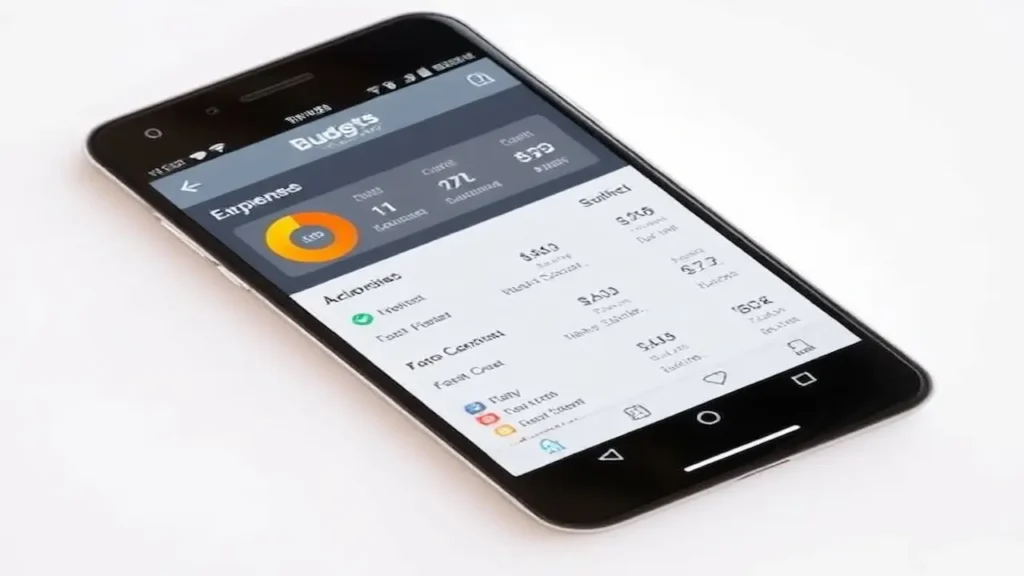
    Not Tracking Your Expenses and How to Avoid It
    Not Tracking Your Expenses and How to Avoid It

    2. Setting Unrealistic Budgets

    Many people create overly restrictive budgets that are impossible to stick to. This can lead to frustration and abandoning the budget altogether.

    How to Avoid It

    Be realistic about your needs and wants. Allocate funds for both essentials and occasional indulgences. Your budget should be a sustainable plan, not a rigid set of rules.
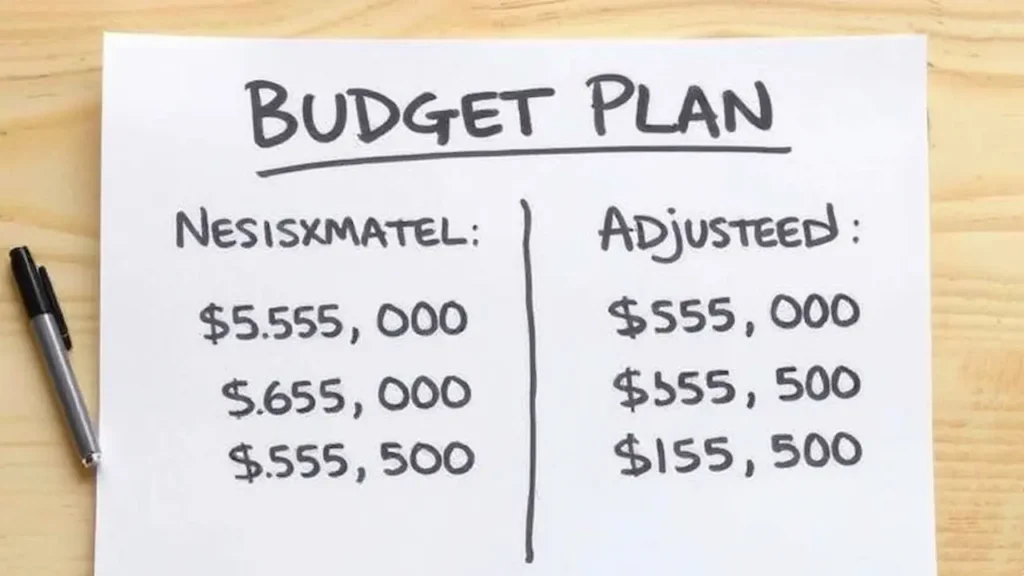
    Setting Unrealistic Budgets and How to Avoid It
    Setting Unrealistic Budgets and How to Avoid It

    3. Forgetting to Include Irregular Expenses

    Irregular expenses, such as annual subscriptions, car maintenance, or holiday gifts, often get overlooked in budgets, leading to financial strain when they arise.

    How to Avoid It

    Plan for irregular expenses by creating a sinking fund. Set aside small amounts each month for future needs, so you’re prepared when these costs occur.
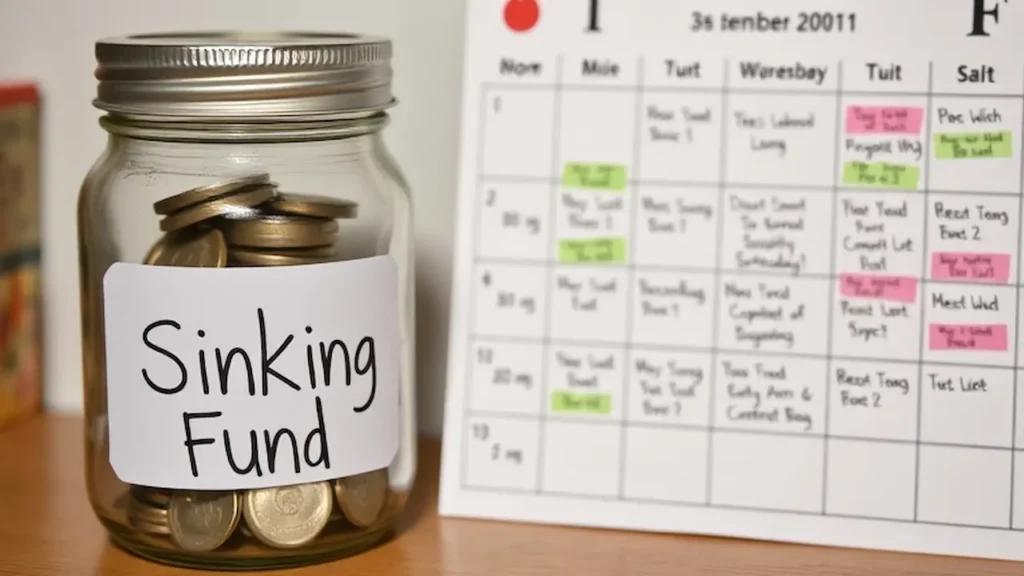
    Forgetting to Include Irregular Expenses and How to Avoid It
    Forgetting to Include Irregular Expenses and How to Avoid It

    4. Ignoring an Emergency Fund

    Not having an emergency fund can leave you vulnerable to financial setbacks, such as medical bills or job loss. Without savings, you may have to rely on credit cards or loans.

    How to Avoid It

    Start building an emergency fund, even if you can only save a small amount each month. Aim for three to six months’ worth of essential expenses.

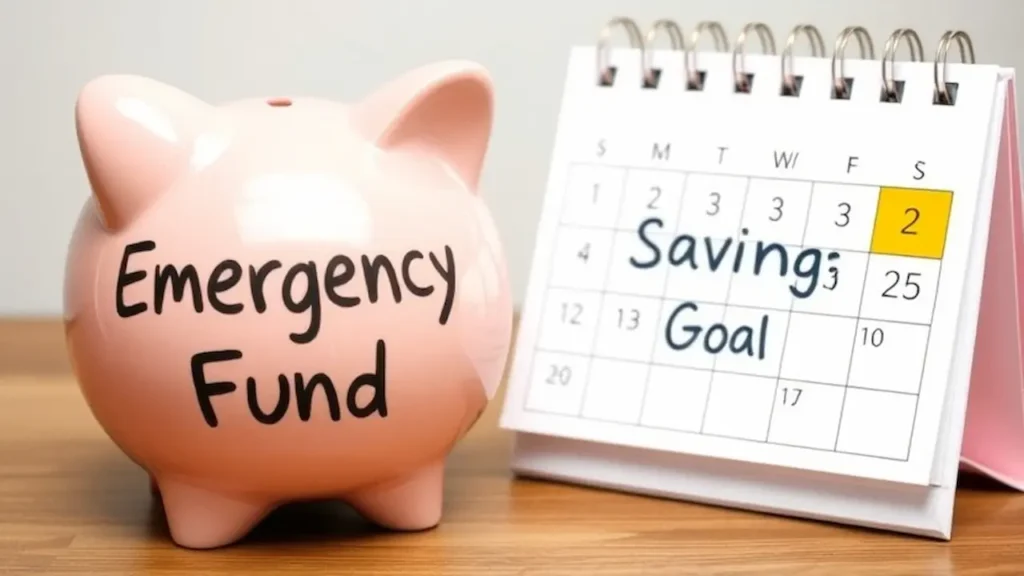
    Ignoring an Emergency Fund and How to Avoid It
    Ignoring an Emergency Fund and How to Avoid It

    5. Overlooking Small Expenses

    Small, frequent purchases, such as coffee or takeout, can add up significantly over time. These “invisible” expenses can disrupt your budget without you realizing it.

    How to Avoid It

    Track every expense, no matter how minor. Use apps or journals to monitor these costs and set limits for discretionary spending.
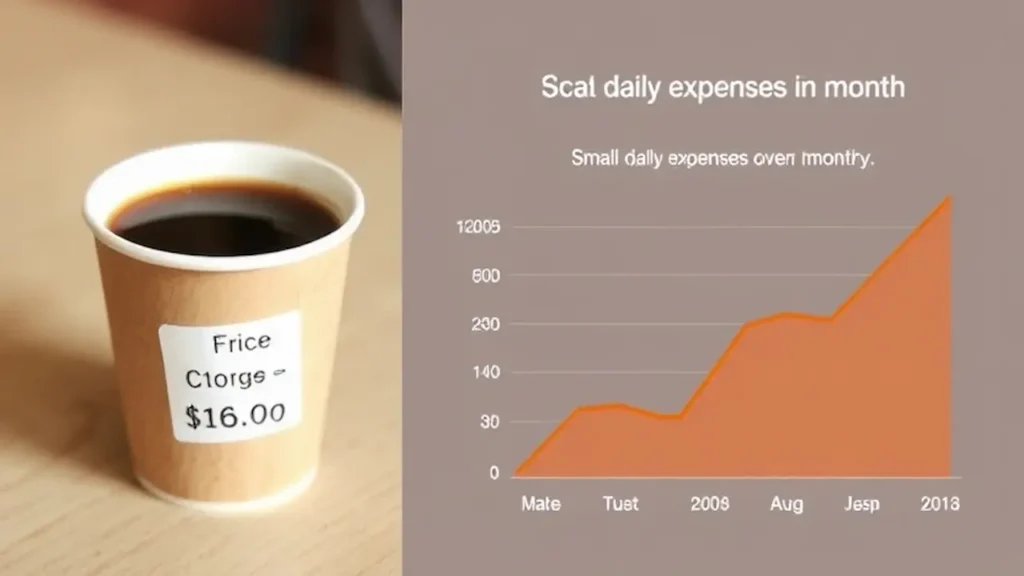
    Overlooking Small Expenses and How to Avoid It
    Overlooking Small Expenses and How to Avoid It

    6. Not Adjusting Your Budget

    Budgets are not static; they need regular adjustments to reflect changes in income, expenses, or financial goals. Sticking to an outdated budget can lead to overspending or missed opportunities to save.

    How to Avoid It

    Review and update your budget monthly. Incorporate changes like a raise, new bills, or completed financial goals to ensure your budget stays relevant.
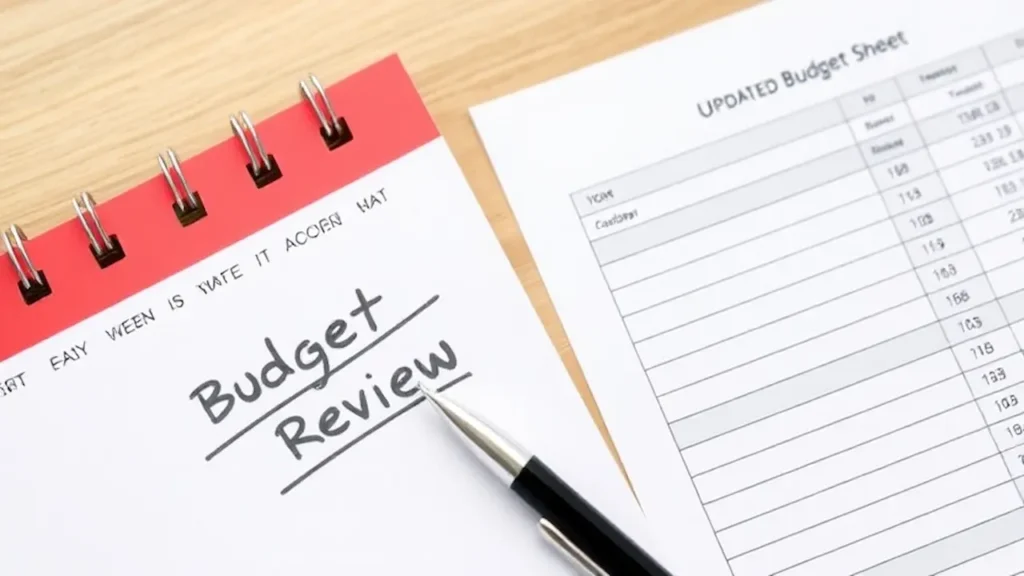
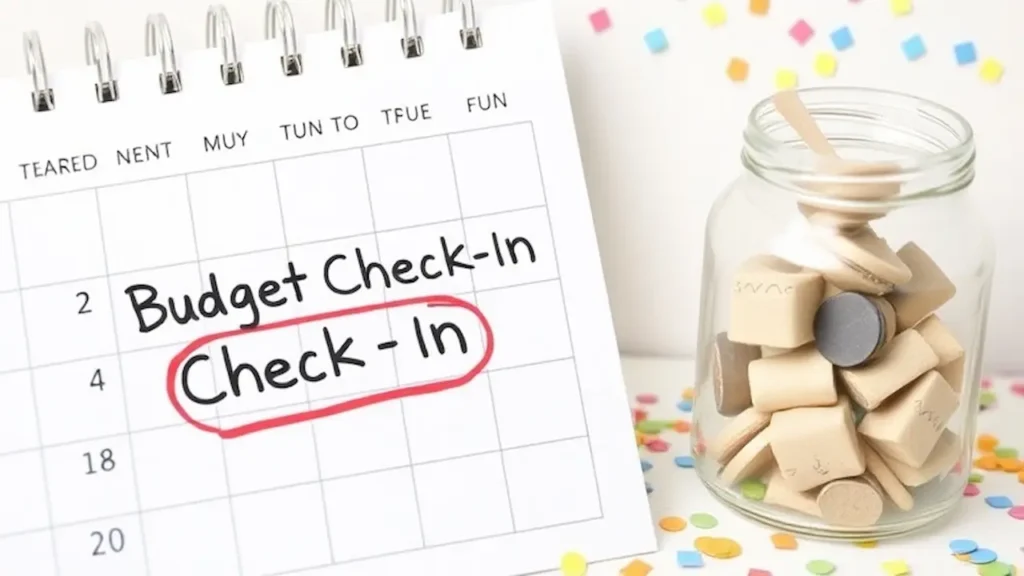
    Not Adjusting Your Budget and How to Avoid It
    Not Adjusting Your Budget and How to Avoid It

    7. Failing to Prioritize Debt Repayment

    Ignoring debt or paying only the minimum can extend repayment periods and increase the total interest paid. This mistake slows your progress toward financial freedom.

    How to Avoid It

    Prioritize debt repayment by using methods like the snowball (smallest balances first) or avalanche (highest interest rates first). Allocate extra funds toward paying off debts as quickly as possible.
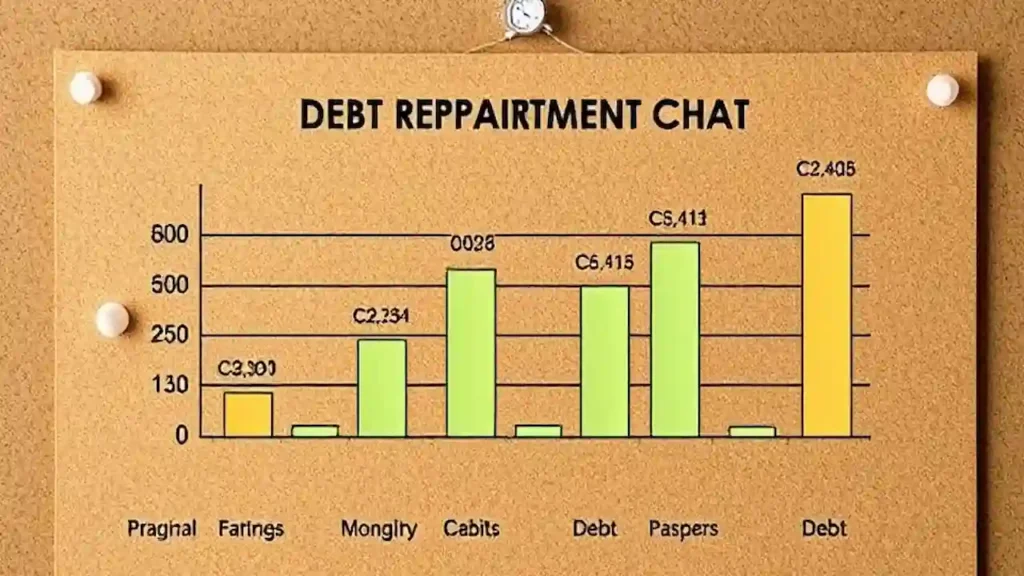
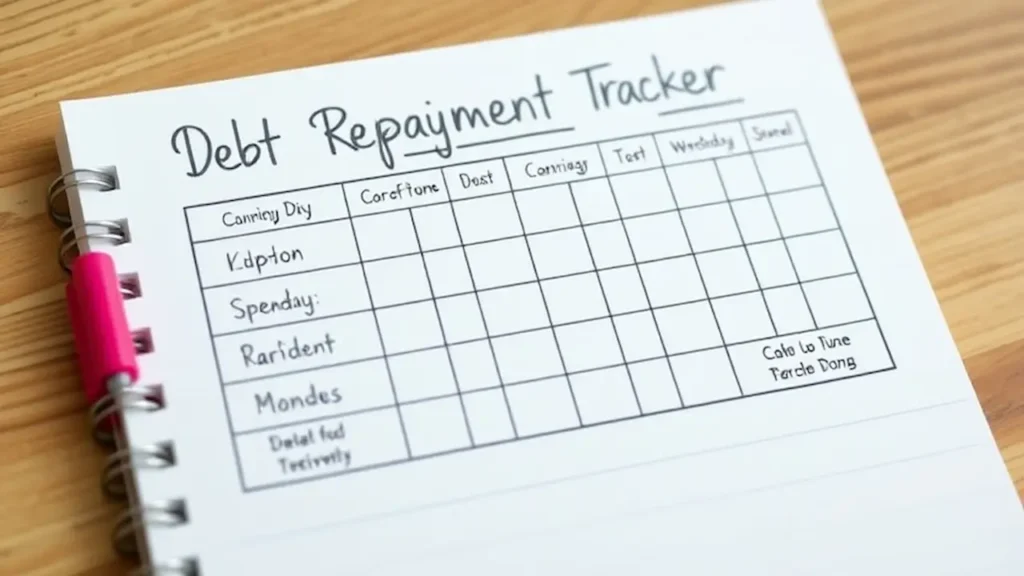
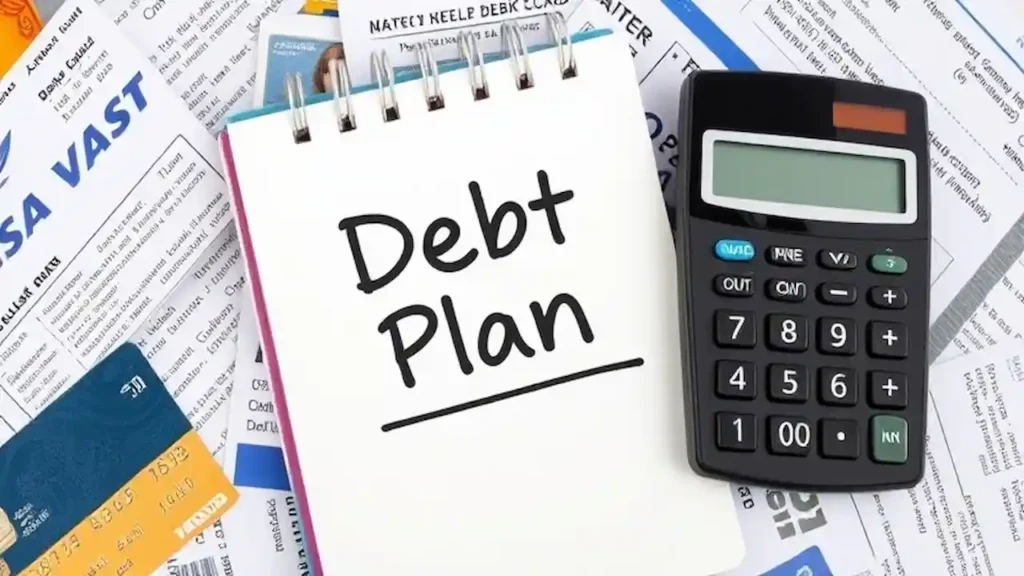
    Failing to Prioritize Debt Repayment and How to Avoid It
    Failing to Prioritize Debt Repayment and How to Avoid It

    8. Not Setting Financial Goals

    Without clear financial goals, it’s easy to lose motivation and spend money aimlessly. A lack of direction can make your budget feel pointless.

    How to Avoid It

    Set short-term and long-term financial goals, such as building savings, paying off debt, or investing. Align your budget with these objectives to stay focused and motivated.

    Not Setting Financial Goals and How to Avoid It
    Not Setting Financial Goals and How to Avoid It

    9. Overspending on Non-Essentials

    Splurging on non-essential items, like dining out or luxury goods, can quickly derail your budget and reduce the amount available for savings or debt repayment.

    How to Avoid It

    Stick to spending limits for discretionary categories. Use cash envelopes or prepaid cards to control spending on non-essentials.

    Overspending on Non-Essentials and How to Avoid It
    Overspending on Non-Essentials and How to Avoid It

    10. Relying on Credit Cards

    Using credit cards for everyday expenses can lead to overspending and accumulating debt, especially if you’re not paying off the balance in full each month.

    How to Avoid It

    Use cash or a debit card for everyday purchases to stay within your budget. If you use credit cards, pay off the full balance each month to avoid interest charges.

    Relying on Credit Cards and How to Avoid It
    Relying on Credit Cards and How to Avoid It

    11. Neglecting Savings

    Failing to prioritize savings can leave you unprepared for emergencies or future goals like buying a home or retiring.

    How to Avoid It

    Pay yourself first by automating contributions to savings accounts before budgeting for other expenses. Even small amounts add up over time.

    Neglecting Savings and How to Avoid It
    Neglecting Savings and How to Avoid It

    12. Comparing Your Budget to Others

    Every individual’s financial situation is unique. Comparing your budget to others’ can lead to unrealistic expectations or unnecessary spending.

    How to Avoid It

    Focus on your personal goals and circumstances. Create a budget tailored to your needs and priorities, not someone else’s lifestyle.
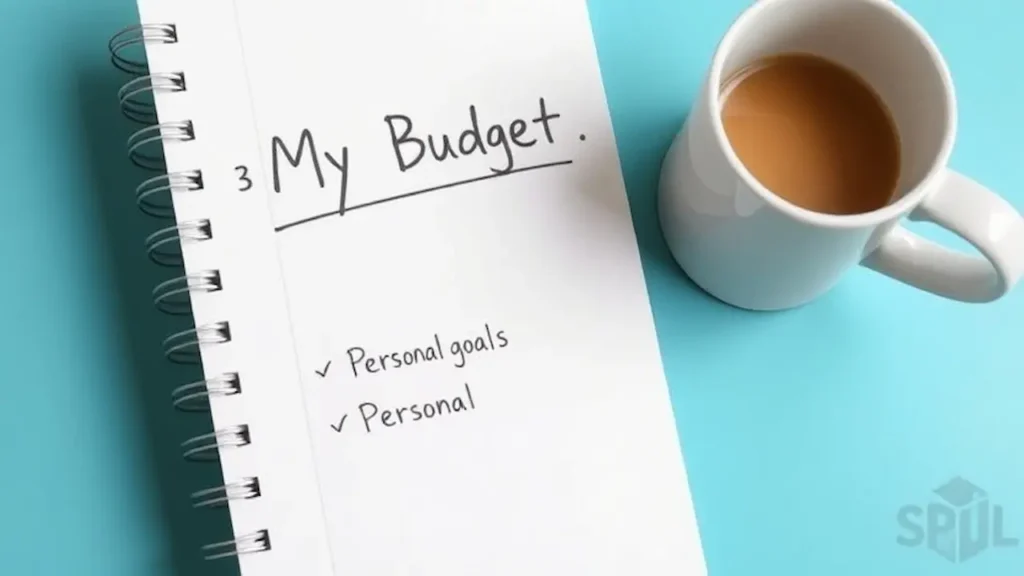
    Comparing Your Budget to Others and How to Avoid It
    Comparing Your Budget to Others and How to Avoid It

    Conclusion

    Avoiding common budgeting mistakes is key to achieving financial stability and success. By tracking expenses, setting realistic goals, and regularly reviewing your budget, you can create a sustainable financial plan. Remember, budgeting is a journey that requires patience, discipline, and adaptability. Start small, stay consistent, and celebrate your progress along the way.


  • How to Budget as a Couple – Tips for Financial Harmony

    How to Budget as a Couple – Tips for Financial Harmony

    Managing finances as a couple is a cornerstone of a healthy relationship. Budgeting together can strengthen trust, improve communication, and help achieve shared goals. However, differing spending habits and financial priorities can make it challenging. This guide offers practical tips to help couples create a harmonious budget that works for both partners.

    1. Start with Open Communication

    Discuss Financial Histories

    Before creating a budget, have an open discussion about your financial background. Share details about income, debts, savings, and spending habits. Transparency builds trust and sets a foundation for collaborative budgeting.

    Understand Each Other’s Priorities

    Identify individual and shared financial goals. One partner might prioritize saving for a home, while the other values travel. Acknowledge these differences to create a balanced budget.

    Discuss Financial Histories & Understand Each Other’s Priorities
    Discuss Financial Histories & Understand Each Other’s Priorities

    2. Set Shared Financial Goals

    Short-Term Goals

    Set immediate goals, such as creating an emergency fund, paying off a specific debt, or saving for a vacation.

    Long-Term Goals

    Discuss bigger aspirations, such as buying a house, starting a business, or retirement planning. Shared goals help align your financial efforts and motivate consistent budgeting.

    Set Shared Financial Goals, Long-Term Goals, Short-Term Goals
    Set Shared Financial Goals, Long-Term Goals, Short-Term Goals

    3. Choose a Budgeting Method Together

    The 50/30/20 Rule

    Allocate 50% of your combined income to needs, 30% to wants, and 20% to savings and debt repayment. This simple structure is easy to follow and adaptable.

    Zero-Based Budgeting

    Assign every dollar of income a purpose, ensuring all money is accounted for, including savings and discretionary spending.

    The 50/30/20 Rule, Zero-Based Budgeting
    The 50/30/20 Rule, Zero-Based Budgeting

    4. Combine Finances Strategically

    Decide on Joint vs. Separate Accounts

    There’s no one-size-fits-all approach. Some couples prefer joint accounts for shared expenses, while others maintain separate accounts for individual spending. A hybrid model, with both joint and individual accounts, can work well.

    Divide Expenses Fairly

    Decide how to split expenses based on income or preferences. Some couples opt for a 50/50 split, while others divide expenses proportionally to their earnings.

    Decide on Joint vs. Separate Accounts, Divide Expenses Fairly
    Decide on Joint vs. Separate Accounts, Divide Expenses Fairly

    5. Create a Monthly Budget

    Track Income and Expenses

    List all sources of income and monthly expenses. Categorize expenses into fixed (rent, utilities) and variable (groceries, entertainment).

    Allocate Funds for Fun

    Don’t forget to budget for entertainment and hobbies. Allowing room for enjoyment reduces financial stress and helps avoid feelings of deprivation.

    Track Income and Expenses & Allocate Funds for Fun
    Track Income and Expenses & Allocate Funds for Fun

    6. Schedule Regular Money Dates

    Review Your Budget Together

    Set a monthly or bi-weekly meeting to review your budget. Discuss what’s working, and what’s not, and adjust as needed.

    Celebrate Milestones

    Acknowledge financial progress, such as paying off a debt or reaching a savings goal. Celebrating achievements keeps both partners motivated.

    Review Your Budget Together & Celebrate Milestones
    Review Your Budget Together & Celebrate Milestones

    7. Plan for Emergencies

    Build an Emergency Fund

    Set aside funds to cover three to six months of living expenses. Having a safety net reduces financial anxiety and prevents conflict during unexpected situations.

    Agree on Emergency Spending

    Discuss what qualifies as an emergency to avoid disagreements. For example, urgent car repairs or medical bills may count, but impulsive shopping sprees should not.

    Build an Emergency Fund & Agree on Emergency Spending
    Build an Emergency Fund & Agree on Emergency Spending

    8. Manage Debt Together

    Tackle High-Interest Debts First

    If one or both partners have debt, prioritize paying off high-interest obligations. Discuss strategies such as the snowball or avalanche method.

    Support Each Other

    Avoid blaming your partner for past financial decisions. Instead, work together to create a plan to eliminate debt and build a stronger financial future.

    Tackle High-Interest Debts First & Support Each Other
    Tackle High-Interest Debts First & Support Each Other

    9. Set Boundaries for Spending

    Agree on Spending Limits

    Decide on spending thresholds that require mutual agreement. For example, any purchase over $200 should be discussed beforehand.

    Use Discretionary Budgets

    Allocate individual discretionary budgets for personal spending. This allows both partners financial freedom while sticking to the overall budget.

    Use Discretionary Budgets
    Use Discretionary Budgets

    10. Address Conflicts Early

    Focus on Solutions

    Disagreements about money are common, but they don’t have to escalate. Approach conflicts calmly and focus on finding solutions instead of assigning blame.

    Seek Professional Help if Needed

    If financial conflicts persist, consider consulting a financial advisor or counselor. A neutral third party can provide valuable guidance.

    Seek Professional Help if Needed
    Seek Professional Help if Needed

    11. Adjust as Life Changes

    Life events like career shifts, having children, or relocating can impact your budget. Be prepared to adjust your financial plan as circumstances evolve.

    Adjust as Life Changes
    Adjust as Life Changes

    Conclusion

    Budgeting as a couple requires teamwork, communication, and flexibility. By sharing financial goals, using effective budgeting methods, and addressing challenges together, couples can achieve financial harmony. Remember, the key is collaboration—your budget should reflect the values and priorities of both partners.

  • 50/30/20 Rule: The Simplest Budgeting Method Explained

    50/30/20 Rule: The Simplest Budgeting Method Explained

    Creating a budget is one of the most powerful steps you can take toward achieving financial freedom. However, for beginners, the process may seem intimidating or overly complicated. The good news is that budgeting doesn’t have to be difficult. With simple strategies and actionable steps, you can take control of your money, reduce financial stress, and work toward your goals. This guide will walk you through the essentials of budgeting and introduce one of the easiest methods—the 50/30/20 rule.

    What Is Budgeting and Why Is It Important?

    Budgeting is the process of creating a plan to manage your income and expenses. A well-structured budget ensures that your spending aligns with your financial goals, helping you save money, pay off debt, and avoid unnecessary stress. For beginners, budgeting lays the foundation for smart money management and long-term financial success.

    Key Benefits of Budgeting

    • Control Over Finances: Understand where your money is going and how to allocate it effectively.
    • Achieve Goals: Save for big purchases, retirement, or emergencies.
    • Reduce Debt: Create a plan to tackle and eliminate debt.
    • Build Confidence: Gain financial security and reduce anxiety about money.

    Steps to Create a Budget

    1. Calculate Your Income

    Start by determining your total monthly income, including salary, freelance work, or side hustle earnings. Knowing your exact income helps set realistic limits for your spending.

    2. Track Your Expenses

    Keep a record of all your expenses for at least a month. Categorize them into fixed costs (e.g., rent, utilities) and variable costs (e.g., dining out, shopping). Tools like budgeting apps or simple spreadsheets can make this step easier.

    3. Set Clear Financial Goals

    Define your short-term and long-term goals. For instance:

    • Short-term: Save $500 for an emergency fund in 3 months.
    • Long-term: Save $10,000 for a home down payment in 3 years.

    4. Choose a Budgeting Method

    Decide on a budgeting strategy that fits your needs. The 50/30/20 rule, explained below, is a great choice for beginners due to its simplicity.

    5. Review and Adjust

    Regularly review your budget to ensure it’s working for you. Make adjustments as your income or expenses change.

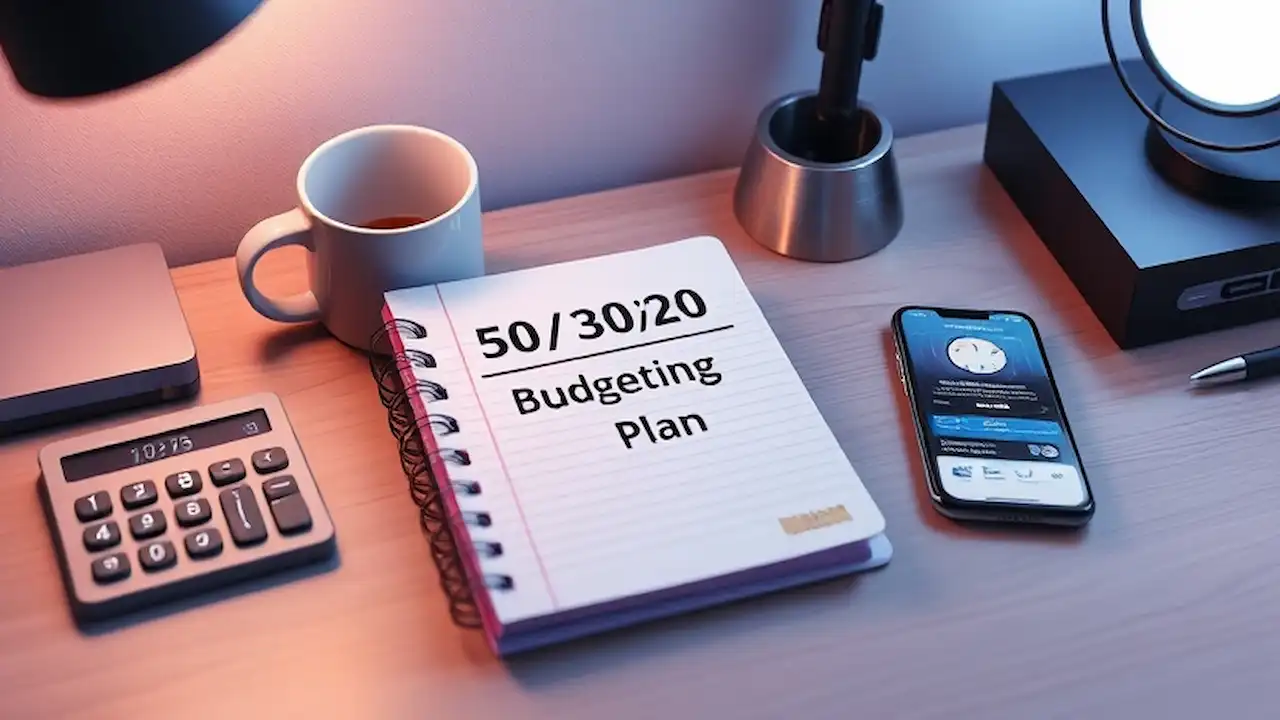
    50/30/20 Rule: The Simplest Budgeting Method Explained

    50-30-20 Rule - The Simplest Budgeting Method Explained
    50-30-20 Rule – The Simplest Budgeting Method Explained

    The 50/30/20 rule is a straightforward budgeting framework that divides your after-tax income into three main categories:

    1. 50% for Needs

    This category covers essential expenses that you cannot live without. Examples include:

    • Rent or mortgage payments.
    • Utilities (electricity, water, internet).
    • Groceries.
    • Transportation costs.
    • Insurance premiums.

    By keeping these expenses within 50% of your income, you ensure that your basic needs are covered without overspending.

    2. 30% for Wants

    Wants include non-essential expenses that enhance your lifestyle. These might be:

    • Dining out or ordering takeout.
    • Entertainment (movies, concerts, subscriptions).
    • Hobbies and leisure activities.
    • Travel and vacations.

    This category allows you to enjoy life without guilt, as long as you stay within the allocated 30%.

    3. 20% for Savings and Debt Repayment

    The final 20% of your income goes toward building your future financial security. Use this portion to:

    • Save for emergencies.
    • Contribute to retirement accounts.
    • Pay off credit card debt or loans.
    • Invest in the stock market or other growth opportunities.

    This category ensures you’re consistently saving and reducing liabilities, building a solid financial foundation.

    How to Implement the 50/30/20 Rule

    1. Determine Your After-Tax Income: Subtract taxes, insurance, and other deductions from your gross income.
    2. Calculate Allocations: Multiply your after-tax income by 0.5, 0.3, and 0.2 to determine how much you can spend in each category.
    3. Track Spending: Monitor your expenses to ensure you’re staying within the limits for each category.

    Tips for Sticking to Your Budget

    Automate Savings

    Set up automatic transfers to your savings or investment accounts to ensure consistency.

    Use Budgeting Tools

    Apps like Mint, YNAB, or PocketGuard make tracking your spending and managing budgets easier.

    Cut Back on Unnecessary Expenses

    Identify areas where you can reduce spending. For example, cook meals at home instead of eating out.

    Review Monthly

    Revisit your budget each month to track progress and make adjustments for unexpected expenses.

    Common Budgeting Mistakes to Avoid

    1. Ignoring Small Expenses

    Small expenses, like daily coffee or impulse purchases, can add up quickly and derail your budget.

    2. Setting Unrealistic Goals

    A budget that’s too restrictive is hard to maintain. Be realistic about your needs and lifestyle.

    3. Forgetting to Save for Emergencies

    Without an emergency fund, unexpected costs can throw your finances off track.

    4. Not Tracking Spending

    Failing to monitor your expenses makes it easy to overspend without realizing it.

    Budgeting for Beginners: A Sample Plan

    Let’s assume you earn $3,000 per month after taxes. Here’s how the 50/30/20 rule might look:

    • 50% Needs: $1,500 (rent, utilities, groceries).
    • 30% Wants: $900 (dining out, hobbies, entertainment).
    • 20% Savings/Debt: $600 (emergency fund, investments, debt repayment).

    This structure provides a balanced approach to managing your finances while allowing flexibility for enjoyment and future planning.

    Conclusion

    Budgeting is the cornerstone of financial success. For beginners, the 50/30/20 rule offers a simple and effective framework to manage income and expenses. By allocating money for needs, wants, and savings, you can achieve financial stability, reduce stress, and work toward your goals. Start today, track your progress, and adjust as needed to make budgeting a lifelong habit.

  • How to Handle Irregular Income: Budgeting for Freelancers

    How to Handle Irregular Income: Budgeting for Freelancers

    Freelancers often enjoy the flexibility and freedom of self-employment, but irregular income can make budgeting a challenge. With fluctuating earnings and unpredictable expenses, managing finances requires careful planning and discipline. This guide outlines actionable strategies to help freelancers budget effectively and achieve financial stability.

    Why Budgeting Is Crucial for Freelancers

    Unlike traditional employees who receive regular paychecks, freelancers experience varying income levels depending on client payments, project availability, and workload. Without a clear financial plan, it’s easy to fall into debt or struggle to meet basic needs during slower months. Budgeting ensures you can cover expenses, save for the future, and reduce financial stress.

    A freelancer smiling at a desk with a laptop a financial planner and a coffee mug labeled Success Starts Here.
    A freelancer smiling at a desk with a laptop a financial planner and a coffee mug labeled Success Starts Here.

    1. Calculate Your Average Monthly Income

    Track Your Earnings

    Review your income over the past six to twelve months to calculate an average. Include payments from clients, side gigs, and any other sources of revenue. If your income varies widely, use the lowest monthly total as a baseline to ensure you’re budgeting conservatively.

    Estimate Conservatively

    When budgeting, assume your income will be on the lower end of the spectrum. This approach helps you prepare for leaner months and avoid overestimating your financial capacity.

    A bar graph on a computer screen showing fluctuating monthly income over a year, with key figures highlighted
    A bar graph on a computer screen showing fluctuating monthly income over a year, with key figures highlighted

    2. Separate Personal and Business Finances

    Open Separate Accounts

    Maintain dedicated bank accounts for personal and business expenses. This separation simplifies tax preparation, ensures better financial tracking, and prevents overspending.

    Track Business Expenses

    Keep detailed records of business-related costs like software subscriptions, equipment, and travel. These expenses may be tax-deductible, helping you save money during tax season.

    Track Business Expenses
    Track Business Expenses

    3. Prioritize Fixed and Essential Expenses

    Identify Non-Negotiable Costs

    List your fixed expenses, such as rent, utilities, insurance, and loan payments. These are your priority bills that must be covered each month, regardless of your income fluctuations.

    Create an Essentials Budget

    Focus on necessities like groceries, transportation, and healthcare. Categorize these expenses and allocate a portion of your average monthly income to each.

    Create an Essentials Budget
    Create an Essentials Budget

    4. Build an Emergency Fund

    An emergency fund is vital for freelancers, as it acts as a financial safety net during periods of low income or unexpected expenses.

    Start Small and Build Gradually

    Aim to save three to six months’ worth of essential expenses. If that feels overwhelming, start by saving enough to cover one month and gradually increase your savings over time.

    Automate Savings

    Set up an automatic transfer to a high-yield savings account whenever you receive payments. Treat this savings as a non-negotiable expense.

    Automate Savings
    Automate Savings

    5. Create a Variable Budget

    Use a Two-Tier Budgeting System

    Develop two budgets: a “bare-bones” version that covers only essential expenses and a “full” budget for months with higher income. This approach provides flexibility while ensuring financial stability during lean periods.

    Reassess Monthly

    Review your budget at the start of each month to account for changes in income or unexpected expenses. Adjust your spending accordingly.

    Reassess Monthly
    Reassess Monthly

    6. Plan for Taxes

    As a freelancer, you’re responsible for setting aside money to pay self-employment taxes.

    Set Aside a Percentage

    Allocate 25-30% of your income for taxes, depending on your location and tax bracket. Use a separate savings account to avoid accidentally spending this money.

    Use Tax Software or Professionals

    Invest in tax preparation software or consult a professional to ensure accurate filing and to maximize deductions.

    Use Tax Software or Professionals
    Use Tax Software or Professionals

    7. Manage Irregular Payments Strategically

    Smooth Out Income Peaks

    During months with higher earnings, resist the temptation to splurge. Instead, allocate extra funds to your emergency savings, tax account, or investment goals.

    Use Income Buckets

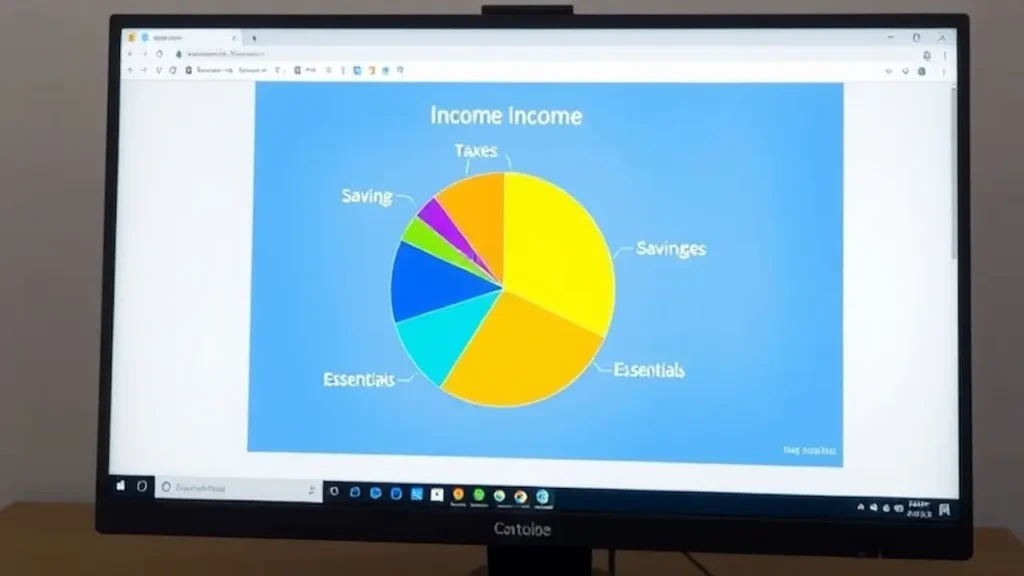
    Divide each payment into buckets, such as essentials, savings, taxes, and discretionary spending. This method ensures all financial priorities are addressed.

    Use Income Buckets
    Use Income Buckets

    8. Minimize Debt

    Avoid New Debt

    Living within your means is crucial when income is unpredictable. Avoid taking on new debt, and focus on paying down existing obligations to reduce financial stress.

    Prioritize High-Interest Debt

    If you have multiple debts, tackle the ones with the highest interest rates first. Consider consolidating debts or negotiating with creditors for better terms.

    Prioritize High-Interest Debt
    Prioritize High-Interest Debt

    9. Plan for Long-Term Goals

    Invest in Retirement

    Freelancers don’t have employer-sponsored retirement plans, so it’s essential to save independently. Consider opening an IRA, SEP IRA, or Solo 401(k).

    Save for Future Projects

    Set aside money for professional growth, such as courses, certifications, or new equipment, to ensure your career remains competitive.

    Save for Future Projects
    Save for Future Projects

    10. Stay Disciplined and Adaptable

    Budgeting on irregular income requires discipline and regular adjustments. Be proactive in tracking your finances, learn from your spending habits, and adapt your budget as needed. Small, consistent efforts will lead to greater financial security over time.

    Conclusion

    Handling irregular income as a freelancer may seem challenging, but with a thoughtful approach to budgeting, you can achieve financial stability and peace of mind. Track your income, prioritize expenses, save for emergencies, and plan for the future. Remember, consistency is key, and every small step brings you closer to financial freedom.

  • The Best Financial Plans for People in Their 25s

    The Best Financial Plans for People in Their 25s

    Reaching your mid-20s is a significant milestone in life, and it’s the ideal time to take charge of your finances. At this stage, people often face key life decisions like paying off student loans, buying a car, starting a family, or preparing for homeownership. A solid financial plan can set you on the path to financial independence, allowing you to live comfortably and plan for the future. This article will explore the best financial strategies and plans tailored specifically for people in their 25s, ensuring you make the most of this crucial decade.

    Why Financial Planning in Your 25s Matters

    Your 25s mark the beginning of adulthood where you’re expected to be financially independent. It’s a time to establish solid financial habits that will serve you well in the future. Whether planning for long-term goals, managing debt, or saving for the future, establishing a clear financial plan is crucial. At this age, you have the unique advantage of time on your side, which can work in your favor when it comes to saving, investing, and building wealth.

    Essential Financial Goals to Achieve in Your 25s

    1. Create and Stick to a Budget

    One of the most important financial habits you can form in your 25s is budgeting. By tracking your income and expenses, you can allocate money towards savings, investments, and necessary expenses without falling into debt. Consider tools like Mint, YNAB (You Need a Budget), or simple spreadsheet trackers to help stay on track.

    2. Build an Emergency Fund

    Life is unpredictable, and an emergency fund is essential for financial security. Experts recommend saving at least 3-6 months of living expenses in a high-yield savings account. This cushion will give you peace of mind and protect you from unforeseen circumstances like job loss or medical emergencies.

    3. Pay Off Debt

    Many people in their 25s are dealing with student loans, credit card debt, or personal loans. Focusing on paying off high-interest debt first, such as credit card balances, should be a priority. Once high-interest debt is cleared, you can direct those funds toward building your savings and investments. Debt repayment strategies such as the avalanche or snowball method can be useful in creating a structured plan.

    4. Save for Retirement

    It may seem early, but saving for retirement in your 25s is crucial. The power of compound interest works best when you start early. Contribute to retirement accounts like 401(k)s or IRAs (Individual Retirement Accounts) to benefit from tax advantages. If your employer offers a matching contribution, aim to contribute at least enough to get the full match.

    5. Start Investing

    Investing in the stock market, real estate, or other assets can help you grow your wealth. While it may seem intimidating, you don’t need to have thousands of dollars to begin. Start small by investing in index funds or ETFs (exchange-traded funds), which provide diversification and have low fees. If you’re unsure where to start, consider using robo-advisors or speaking with a financial advisor for guidance.

    6. Build Your Credit Score

    Your credit score plays a significant role in your financial future. It affects everything from loan approval to your interest rates. To improve your credit score, pay your bills on time, keep credit utilization under 30%, and regularly check your credit report for errors. A good credit score will help you secure favorable financing for large purchases like a home or car in the future.

    Best Financial Plans for People in Their 25s

    1. The Debt-Free Plan

    If you’re struggling with high-interest debt, creating a debt repayment plan should be a top priority. Begin by organizing all your debts, including credit cards, student loans, and personal loans. Focus on paying off high-interest debt first while making minimum payments on others. Once your high-interest debts are paid off, funnel those funds into your next debts. Consider consolidating or refinancing loans to reduce interest rates and simplify payments.

    2. The Investment Plan

    Investing in your 25s is essential to building wealth over time. A great strategy is to set up automatic contributions to your investment accounts. Aim to invest at least 10-15% of your income. Consider low-cost index funds, which track the stock market and offer solid long-term returns. If you’re planning to invest in real estate, start small and research the market to ensure you’re making informed decisions. Diversifying your investments will also help mitigate risk.

    3. The Retirement Savings Plan

    If your employer offers a 401(k) plan, make sure to take full advantage of it, especially if they offer a match. Contribute at least enough to get the full match. Additionally, open an IRA (Individual Retirement Account) to further boost your retirement savings. A Roth IRA, in particular, is beneficial for younger people since it offers tax-free growth. Remember, the earlier you start saving for retirement, the more you’ll benefit from compound interest.

    4. The Emergency Fund Plan

    An emergency fund is your financial safety net. Aim to save 3-6 months’ worth of living expenses. Start by saving a smaller amount, such as $500 to $1,000, then gradually increase your savings as you pay down debt and increase your income. Keep your emergency fund in a high-yield savings account to earn interest on your savings.

    5. The Side Hustle Plan

    If you’re looking to accelerate your financial goals, consider starting a side hustle. Whether it’s freelancing, selling products online, or driving for a rideshare company, an additional source of income can help you pay off debt faster, increase your savings, or invest more. Use the extra income wisely by prioritizing your financial goals, and ensure that you don’t let lifestyle inflation affect your overall financial plan.

    Common Financial Mistakes to Avoid in Your 25s

    1. Living Beyond Your Means

    While it’s tempting to keep up with friends or buy new things, living beyond your means will only hurt your finances in the long run. Stick to a budget and prioritize saving and investing over unnecessary purchases.

    2. Ignoring Retirement Savings

    Many people in their 25s don’t see retirement as a priority, but starting early gives you a significant advantage. Even small contributions now can add up to a comfortable retirement later.

    3. Failing to Build Credit

    Ignoring your credit score early on can result in higher interest rates on loans and difficulty obtaining financing in the future. Establish good credit habits early to avoid this pitfall.

    4. Not Having a Financial Plan

    Without a plan, it’s easy to let your finances spiral. Set clear financial goals, create a budget, and follow through. Regularly check your progress and make adjustments as needed.

    Tips for Staying on Track

    • Automate your savings and investments to ensure consistency.
    • Track your spending and adjust your budget as necessary.
    • Review your financial goals regularly and make adjustments as needed.
    • Set up financial reminders to stay on top of bills and debt repayments.

    Conclusion

    Your 25s are an exciting time, and with the right financial plan, you can set yourself up for long-term success. Focus on building good financial habits, like budgeting, saving, and investing early, and avoid common pitfalls like lifestyle inflation and neglecting debt repayment. By following these best financial plans, you can achieve your goals, from financial independence to owning a home, and create a solid foundation for a secure and prosperous future.

  • How to Budget When You’re Living Paycheck to Paycheck

    How to Budget When You’re Living Paycheck to Paycheck

    Living paycheck to paycheck can be stressful and overwhelming, but creating a budget is a crucial step toward financial stability. Even when money feels tight, a well-thought-out budget can help you regain control, pay off debt, and start saving for the future. This guide offers practical strategies for budgeting effectively and breaking free from the paycheck-to-paycheck cycle.

    Why Budgeting Matters

    Budgeting helps you track your income and expenses, identify areas to cut back, and prioritize your financial goals. Without a budget, it’s easy to overspend or miss opportunities to save. For those living paycheck to paycheck, budgeting is especially vital because it creates a clear plan for managing limited resources.

    Why Budgeting Matters
    Why Budgeting Matters

    1. Know Your Financial Situation

    Track Your Income and Expenses

    The first step in budgeting is understanding your cash flow. Write down all sources of income and categorize every expense over the past month. Include essentials like rent and groceries, as well as discretionary spending like dining out.

    Identify Spending Patterns

    Look for trends in your spending. Are there areas where you consistently overspend? Identifying these patterns can help you make better decisions moving forward.

    Identify Spending Patterns
    Identify Spending Patterns

    2. Prioritize Your Needs Over Wants

    When money is tight, it’s crucial to distinguish between needs and wants. Focus on covering necessities such as housing, utilities, food, and transportation before allocating money to discretionary spending.

    Tip: Use the 50/30/20 rule as a guideline. Allocate 50% of your income to needs, 30% to wants, and 20% to savings or debt repayment. Adjust these percentages to fit your financial situation.

    Prioritize Your Needs Over Wants
    Prioritize Your Needs Over Wants

    3. Create a Realistic Budget

    Set Spending Limits

    Based on your income and fixed expenses, set realistic spending limits for each category. Remember, your budget should be sustainable, not overly restrictive.

    Use Budgeting Tools

    Budgeting apps like Mint, YNAB, or EveryDollar can simplify the process by tracking expenses automatically and providing visual insights.

    Use Budgeting Tools
    Use Budgeting Tools

    4. Build an Emergency Fund

    Even when funds are limited, aim to save a small portion of each paycheck for emergencies. Start with a goal of $500 and gradually work toward three to six months’ worth of living expenses. An emergency fund prevents you from relying on credit cards or loans during unexpected situations.

    Tip: Automate your savings by setting up a recurring transfer to a separate savings account.

    Build an Emergency Fund
    Build an Emergency Fund

    5. Cut Unnecessary Expenses

    Review Subscriptions and Memberships

    Cancel any subscriptions or memberships you don’t use regularly. Small monthly fees can add up significantly over time.

    Cook at Home

    Dining out or ordering takeout often consumes a large portion of your budget. Cooking meals at home can save money and provide healthier options.

    Shop Smart

    Use coupons, shop sales, and compare prices to reduce your grocery bill. Avoid impulsive purchases by sticking to a shopping list.

    Shop Smart
    Shop Smart

    6. Address Your Debt

    If you’re carrying debt, it’s essential to prioritize repayment. Focus on high-interest debts first, as they cost more over time. Consider using the snowball or avalanche method to tackle your debts systematically.

    Tip: Contact creditors to negotiate lower interest rates or inquire about hardship programs.

    Address Your Debt
    Address Your Debt

    7. Increase Your Income

    Take on a Side Hustle

    If possible, look for opportunities to earn extra income, such as freelancing, tutoring, or gig work. Even small amounts can make a big difference when living paycheck to paycheck.

    Sell Unused Items

    Declutter your home and sell items you no longer need on platforms like eBay, Facebook Marketplace, or local consignment shops.

    Sell Unused Items
    Sell Unused Items

    8. Stay Consistent and Adjust as Needed

    Review Your Budget Regularly

    Set aside time each month to review your budget and make adjustments. Life circumstances change, and your budget should evolve with them.

    Celebrate Small Wins

    Acknowledge your progress, even if it’s small. Celebrating milestones keeps you motivated and reinforces positive habits.

    Celebrate Small Wins
    Celebrate Small Wins

    9. Seek Professional Advice

    If budgeting feels overwhelming, consider seeking guidance from a financial advisor or credit counselor. They can provide tailored advice and help you create a plan to achieve your financial goals.

    Image Prompt: A financial advisor sitting at a desk with a client, showing a detailed financial plan on a tablet.

    10. Break the Cycle

    Living paycheck to paycheck can feel like an endless cycle, but every small step you take toward better money management brings you closer to financial freedom. Stay disciplined, focus on your goals, and remember that progress takes time.

    Break the Cycle
    Break the Cycle

    Conclusion

    Budgeting when you’re living paycheck to paycheck may seem daunting, but it’s a powerful tool for improving your financial situation. By tracking your expenses, prioritizing needs, building an emergency fund, and seeking additional income opportunities, you can regain control of your money and work toward a more secure future. Start small, stay consistent, and trust the process—you’ve got this!

  • The Best Financial Plans for People in Their 2025

    The Best Financial Plans for People in Their 2025

    Planning your finances early in life sets the foundation for a secure and prosperous future. For individuals navigating their 20s and 25s, this is the perfect time to build habits and strategies that will benefit you for decades to come. This article explores the best financial plans tailored for people in their 20s and mid-20s, ensuring you make the most of this critical stage in your financial journey.

    Why Financial Planning Is Crucial in Your 20s

    The financial decisions you make in your 20s often influence your long-term financial health. At this age, you have a significant advantage: time. Compound interest, career growth potential, and manageable financial responsibilities make it easier to set strong financial goals. Early planning can help you avoid common pitfalls such as debt accumulation, inadequate savings, or lack of financial literacy.

    Key Financial Goals to Focus On in Your 20s

    1. Build an Emergency Fund

    Life is unpredictable, and having an emergency fund can save you from financial stress. Aim to save at least three to six months’ worth of living expenses in a high-yield savings account. Start small and contribute regularly to create a safety net.

    2. Pay Off High-Interest Debt

    If you have credit card debt, student loans, or personal loans, prioritize paying them off. Focus on high-interest debts first, as they can hinder your financial growth. Consider the snowball or avalanche method to pay off debt systematically.

    3. Start Saving for Retirement

    While retirement may feel far away, starting early is key. Contribute to employer-sponsored plans like 401(k)s in the U.S. or superannuation in Australia. Take advantage of employer matches, and aim to save 10–15% of your income for retirement.

    4. Invest in Your Skills and Career

    Investing in education, certifications, or professional training can increase your earning potential. Focus on building marketable skills in your industry to position yourself for growth.

    5. Create a Budget and Stick to It

    Establish a monthly budget that tracks your income and expenses. Categorize spending into needs, wants, and savings. Tools like budgeting apps can help you monitor your progress and maintain financial discipline.

    Best Financial Plans for People in Their 20s and 25s

    1. Start Investing Early

    The earlier you start investing, the more time your money has to grow. Consider:

    • Index Funds or ETFs: These offer low fees and diversification.
    • Robo-Advisors: Great for beginners who need guidance.
    • Individual Stocks: For those comfortable with higher risk.

    Start small, even with just $50 a month, and increase contributions as your income grows.

    2. Open a High-Yield Savings Account

    High-yield savings accounts offer better interest rates than traditional accounts, ensuring your savings grow faster. Use these accounts for your emergency fund or short-term goals.

    3. Secure Health and Life Insurance

    Unexpected medical expenses can derail your financial plans. Enroll in a health insurance plan and consider life insurance if you have dependents. These policies safeguard your savings and ensure peace of mind.

    4. Create a Debt Repayment Plan

    Identify all your debts and create a repayment strategy. Automate payments where possible to avoid late fees. Refinancing or consolidating loans can also lower interest rates and simplify payments.

    5. Save for Big Life Goals

    Whether it’s buying a car, traveling, or planning a wedding, set aside money for these goals. Open a dedicated savings account for each major expense to avoid dipping into emergency or retirement funds.

    Common Financial Mistakes to Avoid in Your 20s

    1. Overspending on Lifestyle

    Lifestyle inflation is tempting as your income grows. Stick to your budget and avoid unnecessary expenses.

    2. Neglecting Credit Scores

    Your credit score affects your ability to secure loans or rent apartments. Pay bills on time, keep credit utilization low, and check your credit report regularly.

    3. Postponing Retirement Savings

    Waiting too long to save for retirement means losing the advantage of compound interest. Even small contributions now can make a big difference later.

    4. Lack of Financial Education

    Stay informed about personal finance through books, podcasts, or online courses. Understanding money management is essential for long-term success.

    Tips to Stay on Track with Financial Planning

    • Automate Savings: Set up automatic transfers to savings and investment accounts.
    • Track Spending: Regularly review your expenses to ensure alignment with your budget.
    • Set Milestones: Break down big goals into smaller, achievable steps.
    • Review Annually: Reassess your financial plan yearly to adapt to life changes or new priorities.

    Long-Term Benefits of Starting Early

    By adopting these financial plans in your 20s, you’ll:

    • Build a strong financial foundation.
    • Avoid unnecessary debt and stress.
    • Achieve major life goals faster.
    • Enjoy greater financial freedom as you age.

    Conclusion

    Your 20s are a time of opportunity and growth. By implementing smart financial plans now, you can set yourself up for a secure, prosperous future. Whether it’s saving for emergencies, investing, or paying off debt, every small step counts. Start today and reap the rewards for years to come.

  • How to Set and Achieve SMART Financial Goals.

    How to Set and Achieve SMART Financial Goals.

    Financial freedom starts with setting clear, actionable goals. However, not all goals are created equal. By applying the SMART framework—Specific, Measurable, Achievable, Relevant, and Time-bound—you can transform vague aspirations into achievable milestones. Let’s explore how you can set SMART financial goals and follow through successfully.

    1. What Are SMART Financial Goals?

    SMART goals are designed to clarify what you want to achieve, break down how to achieve it, and keep you motivated along the way. Each element of SMART ensures your financial goals are practical and attainable:

    • Specific: Clearly define your goal (e.g., “Save $10,000 for a home down payment” instead of “Save money”).
    • Measurable: Track your progress quantitatively.

    • Achievable: Set realistic goals within your financial capacity.

    • Relevant: Align the goal with your broader financial objectives.
    • Time-bound: Set a deadline to create urgency.
    A checklist with the SMART acronym explained visually
    A checklist with the SMART acronym explained visually

    2. Why SMART Goals Are Important for Financial Planning

    Financial success doesn’t happen by chance. SMART goals provide the structure needed to:

    • Avoid vague objectives that lead to procrastination.
    • Build better money habits by tracking progress.
    • Stay focused and motivated with clear milestones.

    For example, instead of saying, “I want to retire early,” a SMART goal would be, “I want to save $1 million in 20 years by contributing $1,000 monthly to a retirement fund.”

    A graph showing savings growth over time with a clear target.
    A graph showing savings growth over time with a clear target.

    3. Steps to Set SMART Financial Goals

    Step 1: Identify Your Financial Priorities

    Before setting goals, understand what matters most to you. Do you want to buy a house, pay off debt, or build an emergency fund? List these priorities to create a roadmap.

    Step 2: Make Your Goals Specific

    Instead of broad objectives, specify the amount, purpose, and timeframe.
    Example: Instead of “Save money,” say, “Save $5,000 in 12 months for a vacation.”

    Step 3: Ensure Your Goals Are Measurable

    Set benchmarks to evaluate your progress. For instance:

    • If saving $5,000 in 12 months, you should save about $417 monthly.

    Step 4: Evaluate if Your Goals Are Achievable

    Consider your income, expenses, and lifestyle. Setting overly ambitious goals can lead to burnout, while modest targets ensure consistency.

    Step 5: Align Goals with Personal Relevance

    Your goals should connect with your broader financial plans. If buying a car doesn’t align with your desire to travel more, reconsider its priority.

    Step 6: Set Deadlines

    Deadlines provide motivation and help you assess progress. For example, “Save $10,000 for a wedding in two years” gives you a clear timeframe.

    A person working on a laptop with a budgeting spreadsheet on the screen
    A person working on a laptop with a budgeting spreadsheet on the screen

    4. Examples of SMART Financial Goals

    Short-Term Goals

    • Save $1,000 in six months for an emergency fund.
    • Pay off $2,000 in credit card debt within a year.

    Mid-Term Goals

    • Save $20,000 in three years for a house down payment.
    • Contribute $5,000 annually to a retirement fund for the next five years.

    Long-Term Goals

    • Accumulate $500,000 in retirement savings by age 55.
    • Build a college fund of $50,000 for your child within 15 years.
    A vision board with financial aspirations like a house car or travel
    A vision board with financial aspirations like a house car or travel

    5. Tips for Achieving Your SMART Financial Goals

    Create a Budget

    Track your income and expenses to allocate money toward your goals. Use tools like budgeting apps or spreadsheets for better accuracy.

    Automate Savings

    Set up automatic transfers to your savings account to ensure consistency.

    Monitor Progress Regularly

    Review your goals monthly or quarterly to adjust for any changes in income or expenses.

    Stay Motivated

    Celebrate small wins. Achieving a mini milestone, like saving your first $1,000, is worth acknowledging.

    Seek Expert Advice

    A financial planner can provide personalized strategies to help you achieve your goals efficiently.

    A piggy bank surrounded by coins and a goal progress tracker
    A piggy bank surrounded by coins and a goal progress tracker

    6. Overcoming Common Challenges

    Lack of Motivation

    Break your goal into smaller, achievable steps to stay motivated.

    Unplanned Expenses

    Maintain an emergency fund to handle surprises without derailing your plans.

    Lifestyle Inflation

    As income increases, resist the urge to overspend. Stick to your budget and prioritize your goals.

    A fork in the road showing a choice between saving and spending
    A fork in the road showing a choice between saving and spending

    7. Tools and Resources to Help You Stay on Track

    • Budgeting Apps: Apps like Mint, YNAB, or PocketGuard make it easy to track expenses and savings.
    • Financial Calculators: Use online tools to calculate loan repayments, savings growth, or retirement needs.
    • Accountability Partners: Share your goals with a trusted friend or financial coach.
    A smartphone with a budgeting app open showing progress charts
    A smartphone with a budgeting app open showing progress charts

    8. The Benefits of Achieving SMART Financial Goals

    By sticking to SMART goals, you’ll:

    • Experience reduced financial stress.
    • Build wealth consistently.
    • Create a more secure future for yourself and your family.

    Conclusion

    A happy family celebrating financial success with a jar labeled Savings full of coins
    A happy family celebrating financial success with a jar labeled Savings full of coins

    Setting and achieving SMART financial goals is the cornerstone of a stable and prosperous life. By focusing on Specific, Measurable, Achievable, Relevant, and Time-bound objectives, you can transform your financial dreams into reality. Start today, and remember that every small step brings you closer to your ultimate goal.