Category: Blog

Your blog category

  • Simple Strategies to Save on Groceries Without Coupons

    Simple Strategies to Save on Groceries Without Coupons

    Saving money on groceries doesn’t have to involve clipping coupons or searching for discounts tirelessly. With some mindful strategies and practical habits, you can significantly reduce your grocery bill while still enjoying quality food. Here are actionable ways to cut costs without relying on coupons.

    1. Plan Your Meals

    Create a Weekly Meal Plan

    Planning your meals in advance ensures that you only buy what you need. This helps eliminate food waste and prevents unnecessary spending on items you don’t use.

    Incorporate Affordable Ingredients

    Base your meals around cost-effective staples like rice, pasta, beans, and seasonal vegetables. These items are versatile and can help stretch your budget.
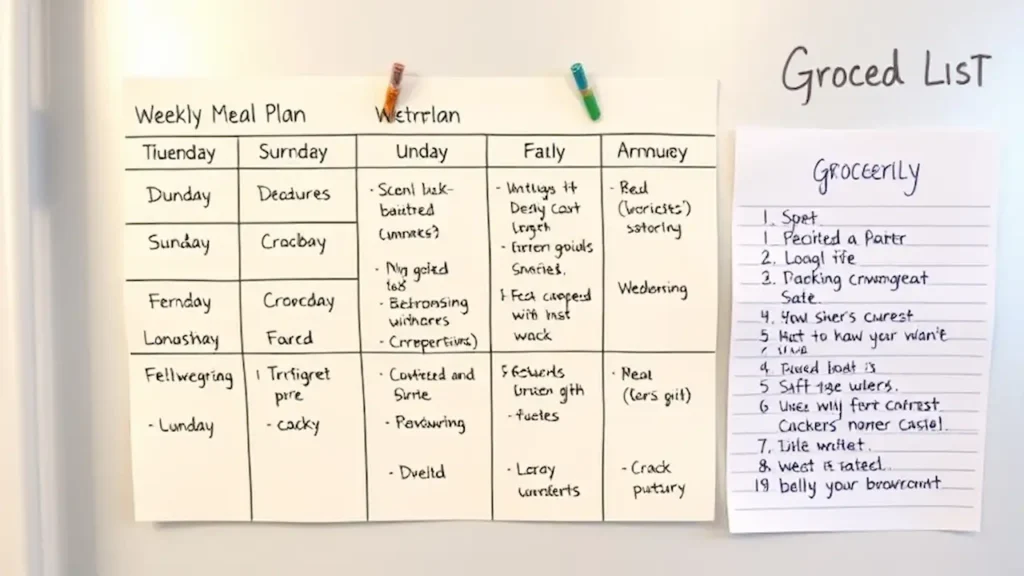
    Plan Your Meals, Create a Weekly Meal Plan, Incorporate Affordable Ingredients
    Plan Your Meals, Create a Weekly Meal Plan, Incorporate Affordable Ingredients

    2. Shop with a List

    Stick to the Essentials

    Write a list of everything you need before heading to the store and commit to sticking to it. This reduces impulse purchases and keeps you focused.

    Organize Your List by Store Sections

    Organizing your list by category (produce, dairy, meats) makes your shopping trip quicker and minimizes wandering into unnecessary aisles.

    Shop with a List, Stick to the Essentials, Organize Your List by Store Sections
    Shop with a List, Stick to the Essentials, Organize Your List by Store Sections

    3. Buy in Bulk When Practical

    Focus on Non-Perishables

    Purchase bulk quantities of long-lasting items like grains, canned goods, and cleaning supplies. This reduces cost per unit and saves future trips to the store.

    Be Selective

    Avoid bulk purchases for perishable items unless you can use them before they spoil. Otherwise, you may waste money on food that goes bad.

    Buy in Bulk When Practical, Focus on Non-Perishables, Be Selective
    Buy in Bulk When Practical, Focus on Non-Perishables, Be Selective

    4. Choose Generic Brands

    Don’t Pay for Branding

    Generic or store-brand products often have the same quality as name-brand items but cost significantly less. Compare labels to ensure similar ingredients and nutrition.

    Experiment Gradually

    If you’re hesitant about switching, start by trying generic versions of basics like sugar, flour, or cereal.

    Choose Generic Brands, Experiment Gradually
    Choose Generic Brands, Experiment Gradually

    5. Buy Seasonal and Local Produce

    Save with In-Season Items

    Fruits and vegetables are cheapest and freshest when they’re in season. Incorporate these into your meals to save money while enjoying better quality.

    Support Local Farmers

    Farmers’ markets often offer affordable deals on fresh produce. Buying locally not only supports the community but also reduces transportation costs.

    Buy Seasonal and Local Produce, Save with In-Season Items, Support Local Farmers
    Buy Seasonal and Local Produce, Save with In-Season Items, Support Local Farmers

    6. Reduce Meat Consumption

    Go Meatless Several Times a Week

    Meat is often one of the most expensive items on a grocery list. Try incorporating meatless meals like veggie stir-fries, lentil soups, or pasta dishes.

    Choose Cheaper Cuts

    When buying meat, opt for less expensive cuts like chicken thighs, ground turkey, or chuck roast. They can be just as delicious when cooked properly.

    Reduce Meat Consumption, Go Meatless Several Times a Week, Choose Cheaper Cuts
    Reduce Meat Consumption, Go Meatless Several Times a Week, Choose Cheaper Cuts

    7. Avoid Pre-Packaged and Pre-Cut Items

    Buy Whole Foods

    Pre-cut fruits, pre-shredded cheese, and packaged salads come at a premium price. Buying whole versions and preparing them yourself is much cheaper.

    Prepare in Advance

    Dedicate time to washing, chopping, and portioning out your ingredients when you return from the store. This small effort can lead to big savings.

    Avoid Pre-Packaged and Pre-Cut Items, Buy Whole Foods, Prepare in Advance
    Avoid Pre-Packaged and Pre-Cut Items, Buy Whole Foods, Prepare in Advance

    8. Limit Convenience Foods

    Cook from Scratch

    Frozen dinners, snack packs, and other convenience items are often marked up significantly. Cooking from scratch is not only healthier but also more economical.

    Batch Cook for Convenience

    Prepare larger portions of meals and freeze leftovers for busy days. This provides the convenience of a frozen meal without the high cost.
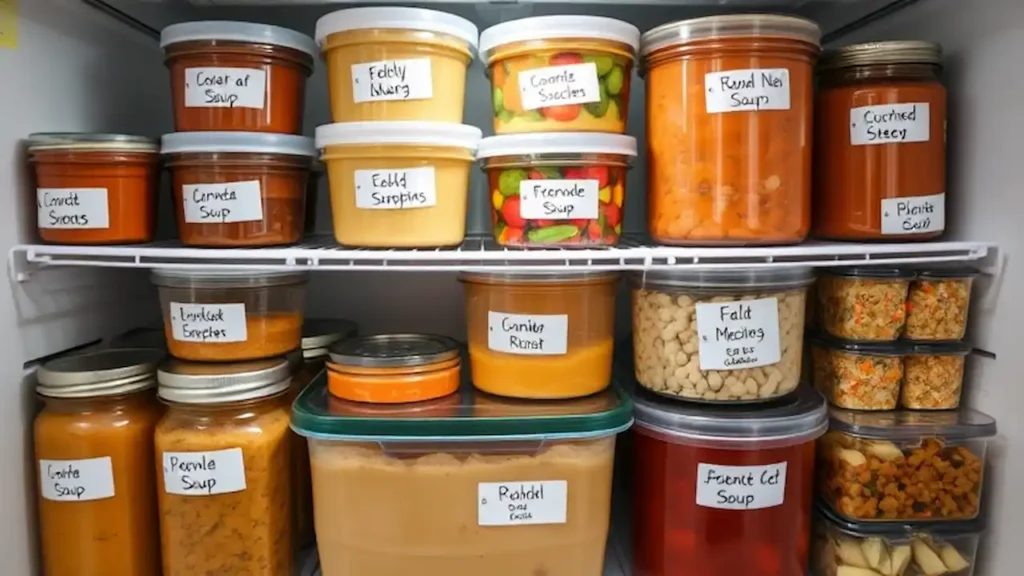
    Limit Convenience Foods, Cook from Scratch, Batch Cook for Convenience
    Limit Convenience Foods, Cook from Scratch, Batch Cook for Convenience

    9. Compare Prices and Stores

    Shop at Discount Stores

    Different stores often have different price points for the same items. Explore discount grocery chains or wholesale clubs for cheaper options.

    Use Price Per Unit

    Pay attention to unit pricing (cost per ounce or pound) to ensure you’re getting the best deal, especially for packaged goods.

    Compare Prices and Stores, Shop at Discount Stores, Use Price Per Unit
    Compare Prices and Stores, Shop at Discount Stores, Use Price Per Unit

    10. Reduce Food Waste

    Store Food Properly

    Ensure perishable items like vegetables and dairy are stored correctly to extend their shelf life. Use airtight containers or freezer bags when needed.

    Repurpose Leftovers

    Get creative with leftovers by turning them into new meals, like using roasted vegetables in a stir-fry or transforming cooked chicken into soup.

    Reduce Food Waste, Store Food Properly, Repurpose Leftovers
    Reduce Food Waste, Store Food Properly, Repurpose Leftovers

    11. Shop Less Frequently

    Plan for Fewer Trips

    The more often you shop, the more likely you are to make impulse purchases. Aim to grocery shop once a week or bi-weekly.

    Stick to Your Plan

    Avoid making extra trips for forgotten items unless they’re absolutely essential. Keep track of what’s running low to include in your next planned trip.

    Shop Less Frequently, Plan for Fewer Trips, Stick to Your Plan
    Shop Less Frequently, Plan for Fewer Trips, Stick to Your Plan

    12. Take Advantage of Sales Without Coupons

    Look for Store Promotions

    Many stores offer discounts or promotions that don’t require coupons. Check flyers or the store’s website before shopping.

    Stock Up on Deals

    If non-perishable or freezable items are on sale, stock up to save in the long term. Just be cautious not to overbuy beyond your storage capacity.

    Take Advantage of Sales Without Coupons, Look for Store Promotions, Stock Up on Deals
    Take Advantage of Sales Without Coupons, Look for Store Promotions, Stock Up on Deals

    Conclusion

    Saving money on groceries doesn’t have to be complicated. By implementing these simple strategies, you can reduce your monthly grocery bill without the hassle of clipping coupons. From meal planning and buying in bulk to reducing food waste and shopping smarter, these tips can help you stretch your budget while still enjoying nutritious, delicious meals. Start small, make adjustments as needed, and watch the savings add up over time.

  • How to Save for an Emergency Fund in 6 Months

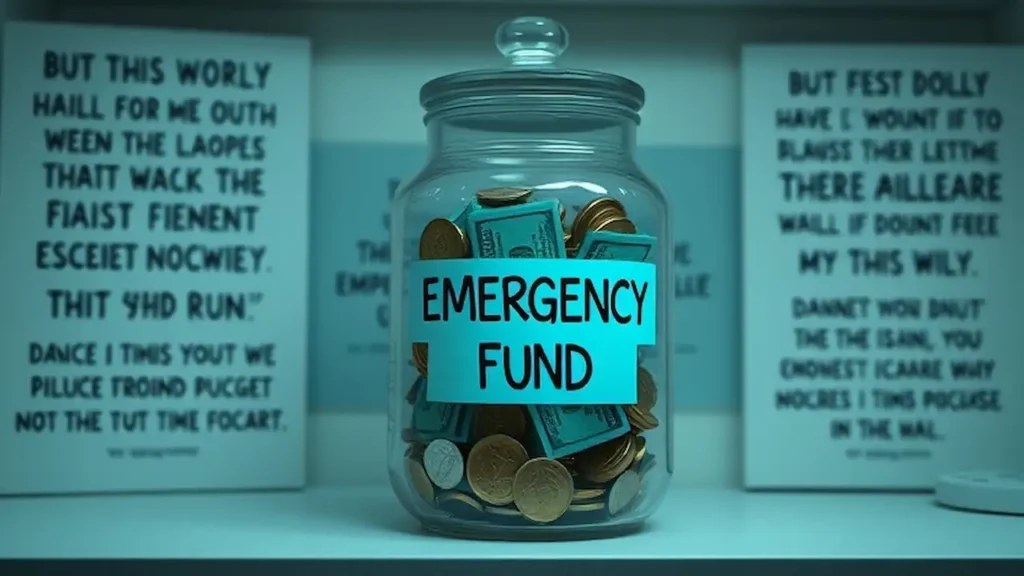
    How to Save for an Emergency Fund in 6 Months

    An emergency fund is a financial safety net that can save you from unexpected expenses like medical bills, car repairs, or job loss. Building one in just six months is ambitious but achievable with the right strategies. This guide will help you plan and execute your savings goal effectively without overwhelming your finances.

    1. Determine Your Savings Goal

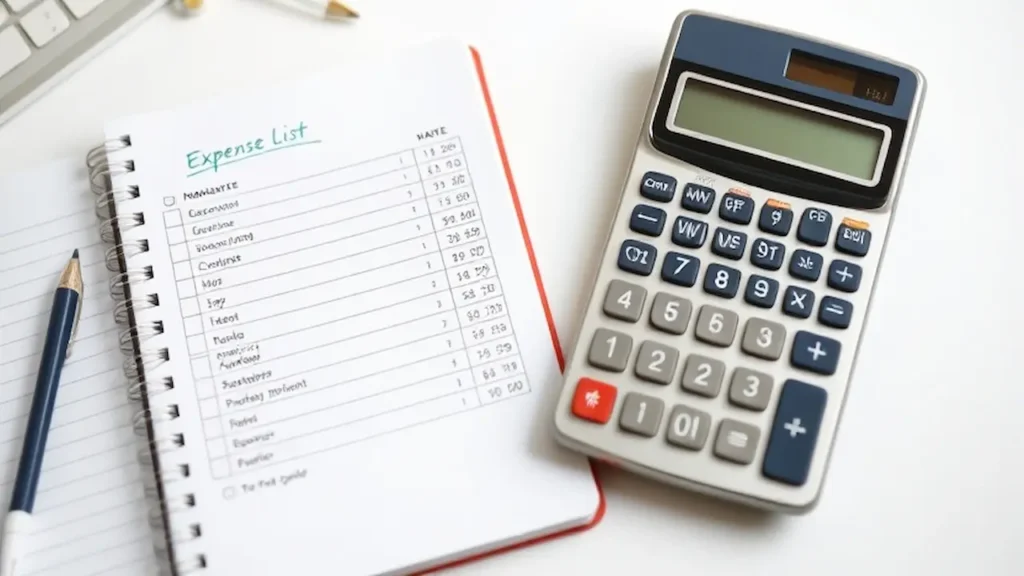
    Calculate Your Expenses

    To determine how much you need in your emergency fund, calculate your essential monthly expenses. This includes rent or mortgage, utilities, groceries, insurance, and minimum debt payments.

    Set a Target Amount

    A general rule is to save 3–6 months’ worth of essential expenses. Since you’re aiming to save in six months, divide your target amount by six to determine your monthly savings goal.

    Determine Your Savings Goal, Calculate Your Expenses, Set a Target Amount
    Determine Your Savings Goal, Calculate Your Expenses, Set a Target Amount

    2. Break It Down into Weekly Goals

    Divide the Total

    Break your monthly savings goal into weekly targets to make it more manageable. Smaller, consistent contributions are less intimidating and easier to track.

    Track Progress

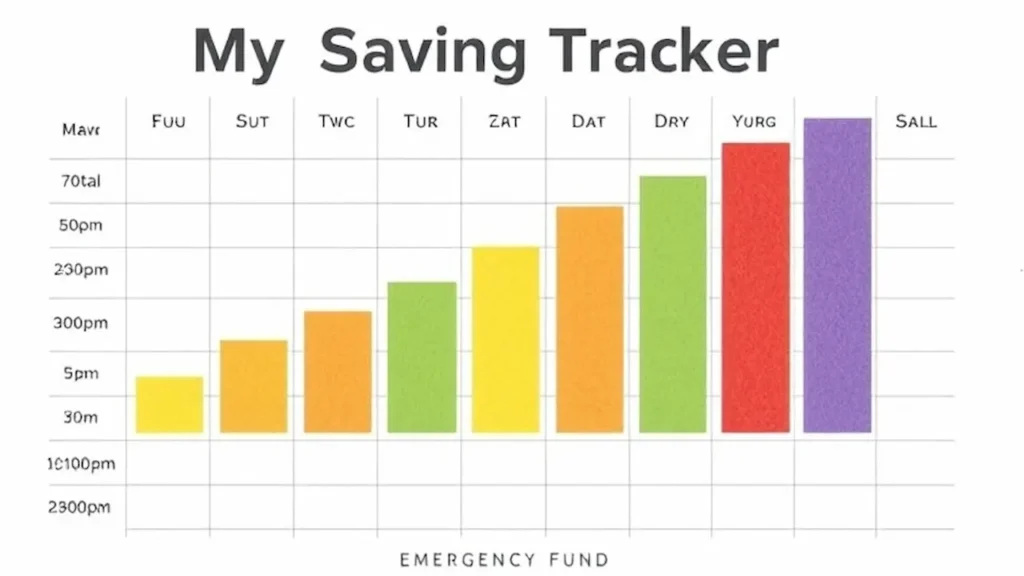
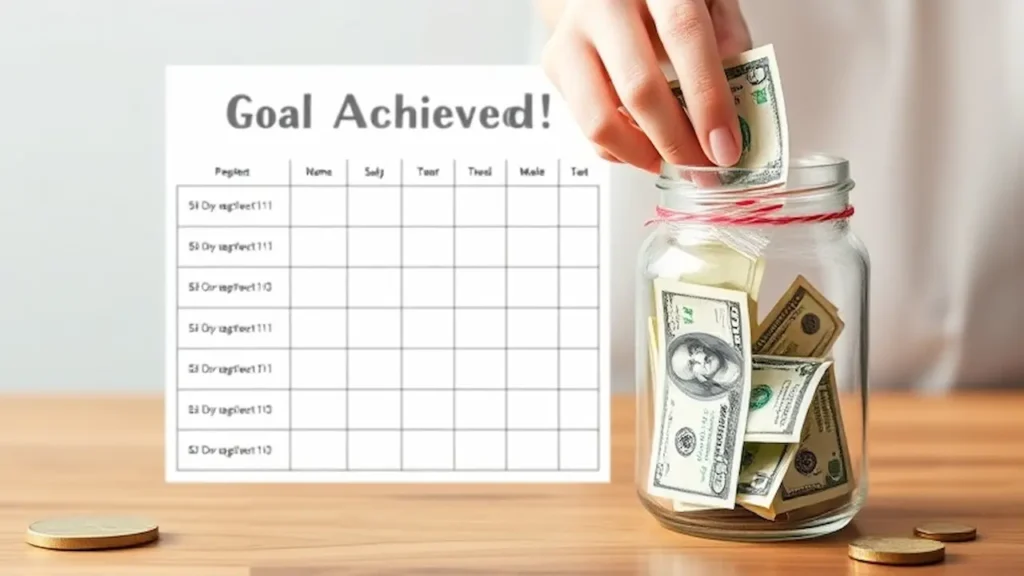
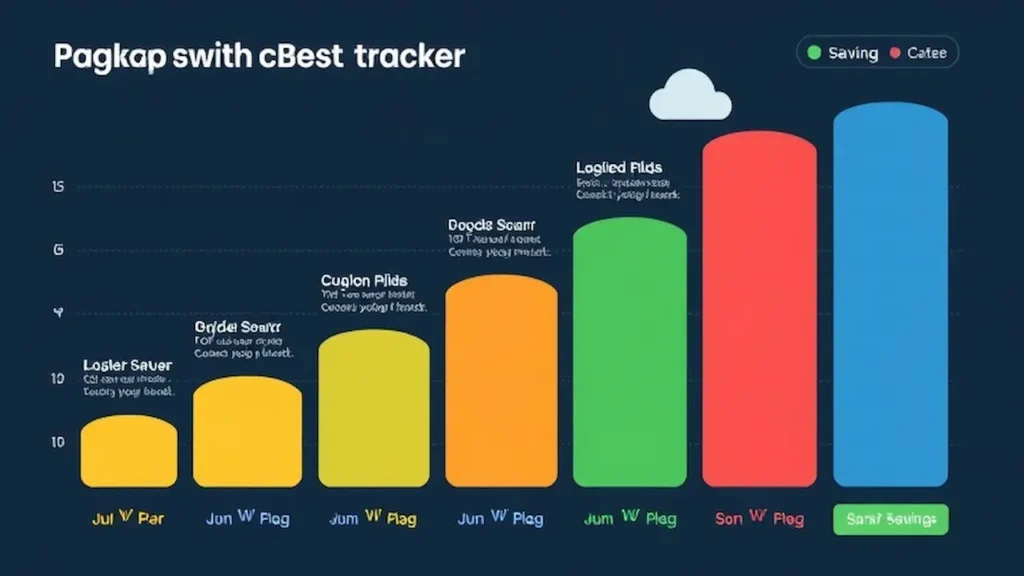
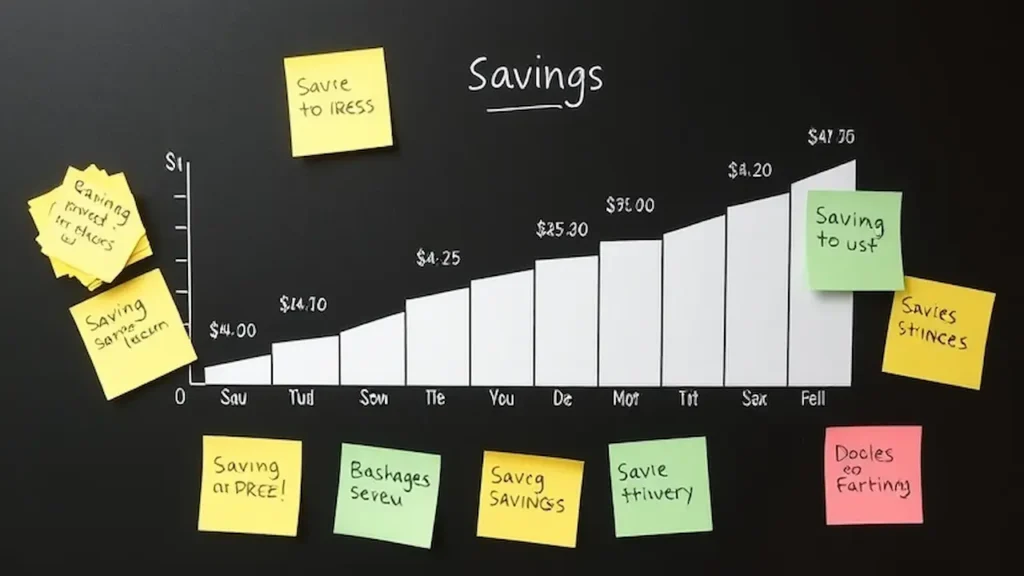
    Use a savings tracker app or a visual progress chart to monitor weekly contributions. This helps maintain focus and motivation.

    Break It Down into Weekly Goals, Divide the Total, Track Progress
    Break It Down into Weekly Goals, Divide the Total, Track Progress

    3. Adjust Your Budget

    Identify Non-Essentials

    Examine your current spending habits and identify areas to cut back. This might include eating out, streaming subscriptions, or unnecessary shopping.

    Redirect Savings

    Every dollar saved from reduced spending should go directly into your emergency fund. Treat this redirection as a fixed expense.

    Adjust Your Budget, Identify Non-Essentials, Redirect Savings
    Adjust Your Budget, Identify Non-Essentials, Redirect Savings

    4. Open a Dedicated Savings Account

    Separate Your Funds

    Open a high-yield savings account exclusively for your emergency fund. Keeping the money separate prevents you from accidentally spending it.

    Automate Your Savings

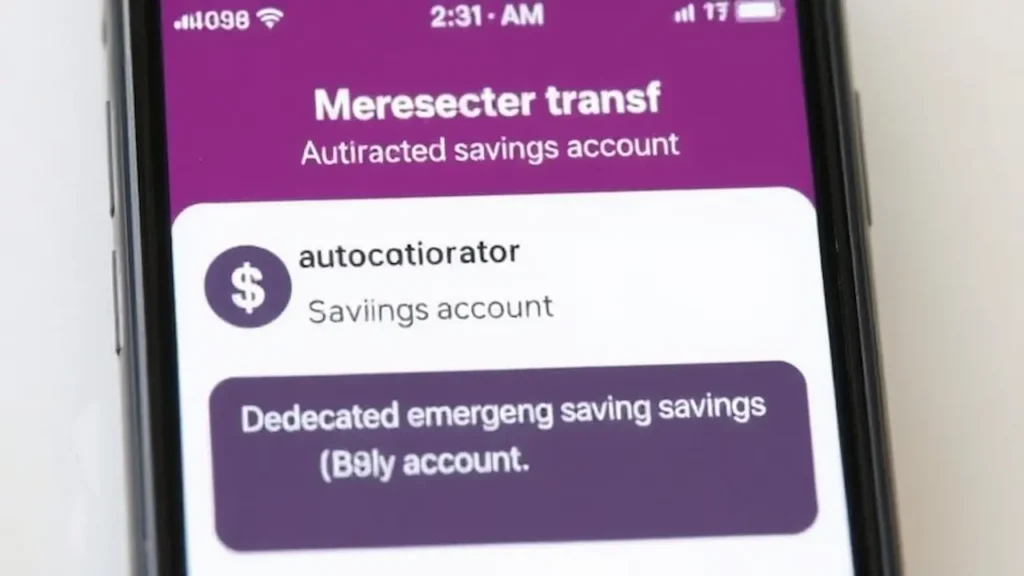
    Set up automatic transfers from your main account to your emergency fund after every paycheck. Automation ensures consistency and eliminates the temptation to skip a deposit.

    Open a Dedicated Savings Account, Separate Your Funds, Automate Your Savings
    Open a Dedicated Savings Account, Separate Your Funds, Automate Your Savings

    5. Supplement Your Income

    Take on a Side Gig

    If possible, explore additional income sources like freelancing, selling crafts, or driving for a rideshare service. Direct all extra earnings into your emergency fund.

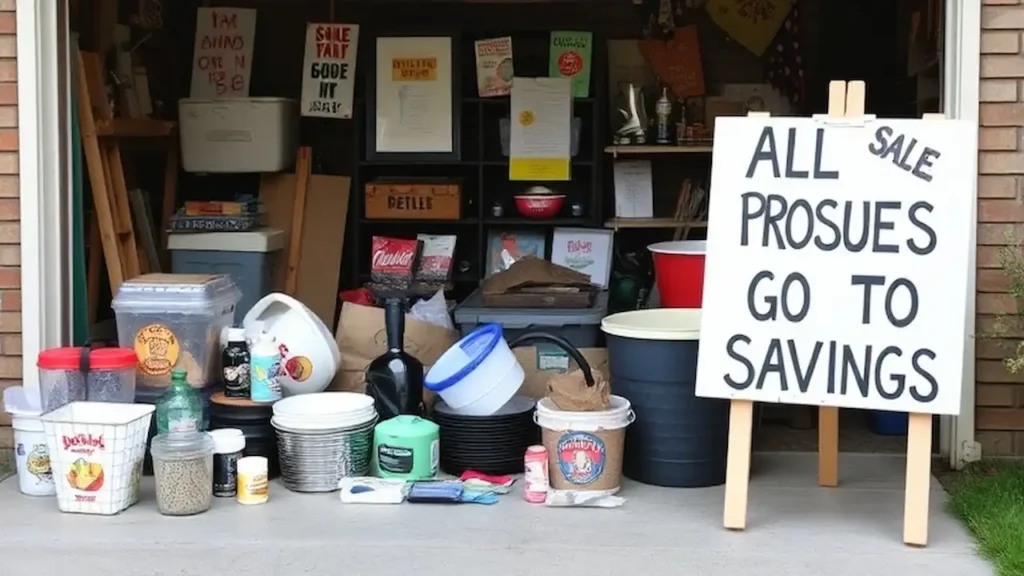
    Sell Unused Items

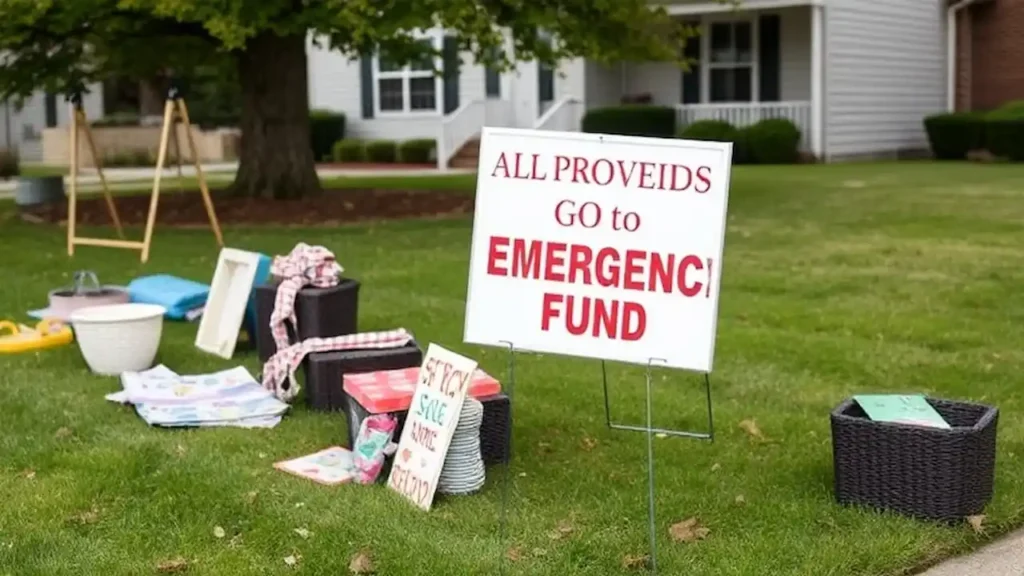
    Declutter your home and sell items you no longer need. Online platforms like eBay or Facebook Marketplace are great for turning clutter into cash.

    Supplement Your Income, Take on a Side Gig, Sell Unused Items
    Supplement Your Income, Take on a Side Gig, Sell Unused Items

    6. Save Windfalls and Bonuses

    Utilize Unexpected Money

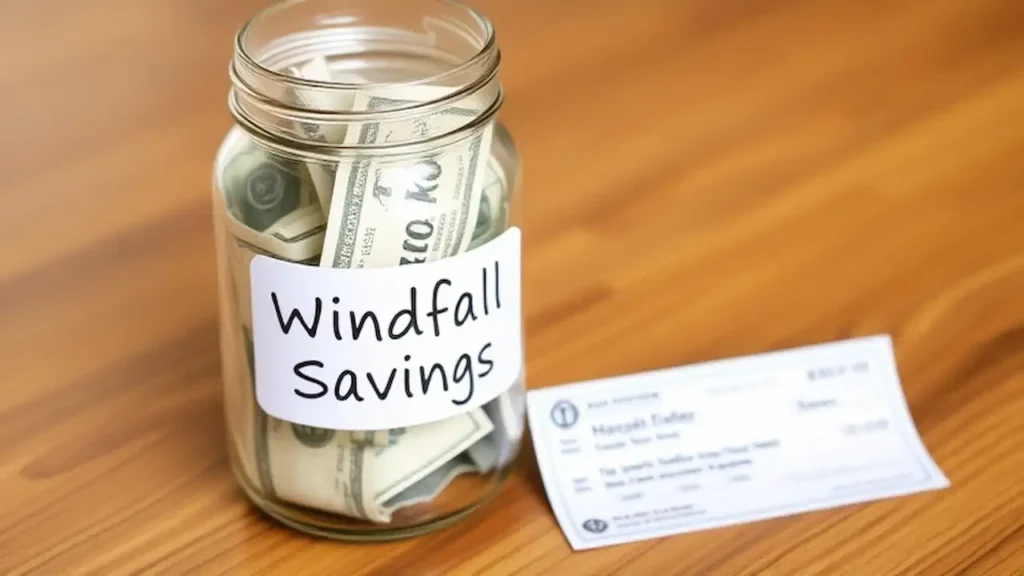
    If you receive a tax refund, bonus, or monetary gift during this period, allocate it entirely to your emergency fund.

    Avoid Lifestyle Inflation

    Resist the urge to spend windfalls on non-essential items or experiences. Remember, the goal is financial security.

    A jar labeled Windfall Savings filled with cash and a small tax refund check placed beside it
    A jar labeled Windfall Savings filled with cash and a small tax refund check placed beside it

    7. Use the 50/30/20 Rule

    Adapt Your Budget

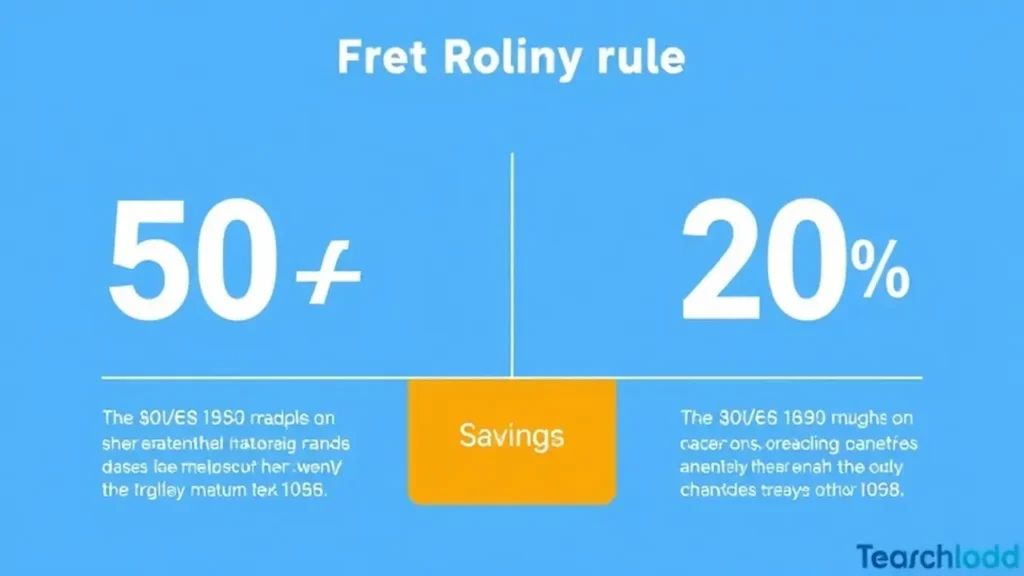
    Apply the 50/30/20 rule to your income, allocating 50% to needs, 30% to wants, and 20% to savings. During this period, prioritize your emergency fund within the savings category.

    Cut Wants Temporarily

    If necessary, reduce the “wants” portion to boost your savings rate. Remember, it’s a temporary adjustment for a crucial goal.

    Use the 50/30/20 Rule, Adapt Your Budget, Cut Wants Temporarily
    Use the 50/30/20 Rule, Adapt Your Budget, Cut Wants Temporarily

    8. Avoid Dipping into Savings

    Create a Buffer

    Ensure your emergency fund remains untouched unless it’s for a genuine emergency. For minor unexpected expenses, use a separate buffer account or cash reserve.

    Define Emergencies

    Establish clear criteria for what constitutes an emergency to avoid unnecessary withdrawals. Examples include medical expenses, urgent repairs, or job loss.

    Avoid Dipping into Savings, Create a Buffer, Define Emergencies
    Avoid Dipping into Savings, Create a Buffer, Define Emergencies

    9. Stay Motivated

    Visualize Your Goal

    Keep a visual reminder of why you’re building an emergency fund, such as a picture of your family or a list of potential emergencies.

    Celebrate Small Wins

    Celebrate milestones, like reaching 25%, 50%, or 75% of your goal, to stay encouraged throughout the process.

    Stay Motivated, Visualize Your Goal, Celebrate Small Wins
    Stay Motivated, Visualize Your Goal, Celebrate Small Wins

    10. Reevaluate and Adjust if Necessary

    Monitor Your Progress

    Periodically review your savings plan to ensure you’re on track. Adjust contributions or expenses if needed to meet your six-month deadline.

    Prepare for the Future

    Once you reach your goal, continue contributing smaller amounts to maintain or grow your fund for long-term security.

    Reevaluate and Adjust if Necessary, Monitor Your Progress, Prepare for the Future
    Reevaluate and Adjust if Necessary, Monitor Your Progress, Prepare for the Future

    Conclusion

    Saving for an emergency fund in six months requires discipline, creativity, and a clear plan. By setting specific goals, adjusting your budget, and staying consistent, you can build a financial safety net that protects you from unexpected expenses. Start today, and within half a year, you’ll enjoy peace of mind knowing you’re prepared for whatever life throws your way.

  • The Best Ways to Save on Your Monthly Bills

    The Best Ways to Save on Your Monthly Bills

    Managing monthly expenses can feel overwhelming, especially when bills seem to grow steadily. However, there are simple and effective ways to reduce your recurring costs without compromising on quality. By being proactive and resourceful, you can save a significant amount of money each month. Here are the best strategies to help you lower your monthly bills and improve your financial well-being.

    1. Audit Your Current Expenses

    Analyze Your Spending

    Start by reviewing all your monthly bills, such as utilities, internet, subscriptions, insurance, and groceries. Understanding where your money goes is the first step to finding savings opportunities.

    Identify Unnecessary Expenses

    Look for services you no longer use or need. For example, cancel subscriptions to streaming platforms or gym memberships you rarely utilize.

    Audit Your Current Expenses, Analyze Your Spending, Identify Unnecessary Expenses
    Audit Your Current Expenses, Analyze Your Spending, Identify Unnecessary Expenses

    2. Cut Back on Utility Bills

    Use Energy Wisely

    Lower your electricity costs by turning off lights and appliances when not in use, using energy-efficient bulbs, and unplugging electronics to avoid phantom energy usage.

    Adjust Your Heating and Cooling

    Set your thermostat a few degrees higher in summer and lower in winter. Consider using a programmable thermostat to optimize energy usage based on your schedule.

    Cut Back on Utility Bills, Use Energy Wisely, Adjust Your Heating and Cooling
    Cut Back on Utility Bills, Use Energy Wisely, Adjust Your Heating and Cooling

    3. Shop for Better Insurance Rates

    Compare Quotes

    Regularly shop around for car, home, and health insurance. Many companies offer competitive rates or discounts for bundling multiple policies.

    Raise Your Deductible

    If you can afford it, raising your deductible can significantly reduce your monthly premium. Ensure you maintain sufficient emergency savings to cover higher deductibles if needed.

    Shop for Better Insurance Rates, Compare Quotes, Raise Your Deductible
    Shop for Better Insurance Rates, Compare Quotes, Raise Your Deductible

    4. Optimize Your Internet and Cable Plans

    Negotiate with Providers

    Contact your internet and cable providers to negotiate better rates. Often, they’ll match competitor prices or offer loyalty discounts to retain customers.

    Cut the Cord

    Consider canceling cable and switching to cheaper streaming services. Use free or low-cost options like YouTube, Tubi, or Pluto TV to reduce entertainment costs.

    Optimize Your Internet and Cable Plans, Negotiate with Providers, Cut the Cord,
    Optimize Your Internet and Cable Plans, Negotiate with Providers, Cut the Cord,

    5. Reduce Food Costs

    Plan Your Meals

    Create a weekly meal plan and stick to a shopping list to avoid impulsive purchases. Opt for store brands and buy in bulk when possible.

    Cook at Home

    Eating out frequently can add up quickly. Preparing meals at home is healthier and significantly cheaper. Consider batch cooking to save time during the week.

    Reduce Food Costs, Plan Your Meals, Cook at Home
    Reduce Food Costs, Plan Your Meals, Cook at Home

    6. Consolidate Debt

    Explore Balance Transfers

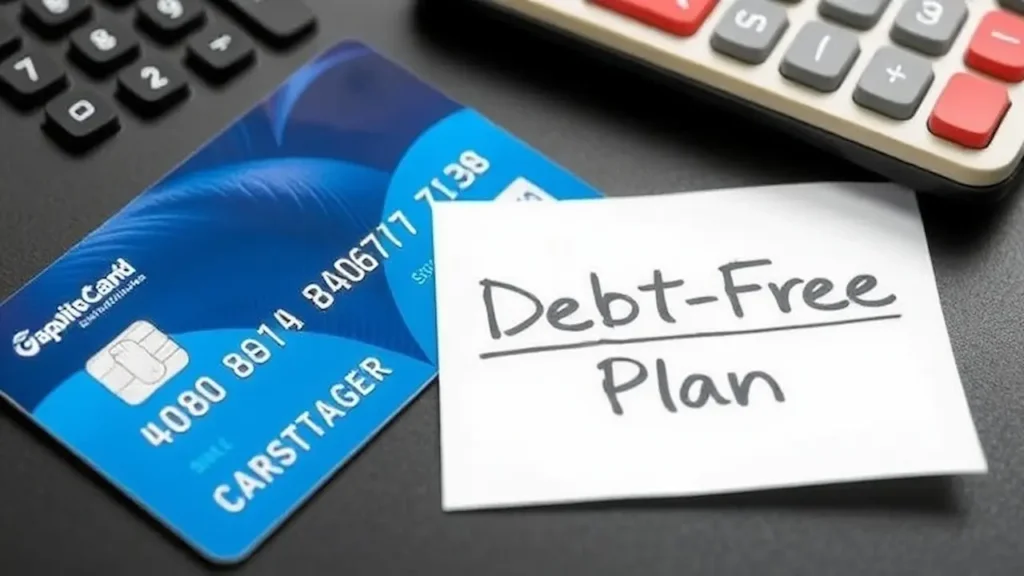
    If you have high-interest credit card debt, consider transferring your balance to a card with a 0% introductory APR. This can save you money on interest while you pay down the balance.

    Negotiate Lower Interest Rates

    Call your lenders and request a reduction in interest rates. A good credit score increases your chances of success.

    Consolidate Debt, Explore Balance Transfers, Negotiate Lower Interest Rates
    Consolidate Debt, Explore Balance Transfers, Negotiate Lower Interest Rates

    7. Use Cash-Back and Discount Programs

    Cash-Back Credit Cards

    Choose credit cards that offer cash-back rewards on everyday purchases, such as groceries and gas. Remember to pay off the balance monthly to avoid interest charges.

    Coupon and Cashback Apps

    Apps like Honey, Rakuten, and Ibotta can help you find deals and earn cashback on purchases. Many of these apps are free and easy to use.

    Use Cash-Back and Discount Programs, Cash-Back Credit Cards, Coupon and Cashback Apps
    Use Cash-Back and Discount Programs, Cash-Back Credit Cards, Coupon and Cashback Apps

    8. Switch to Generic Brands

    For Groceries and Household Items

    Generic brands often offer the same quality as name brands at a fraction of the cost. Compare ingredients and reviews to ensure you’re not sacrificing quality.

    For Medications

    Ask your doctor or pharmacist about generic alternatives for prescriptions. These are usually much cheaper than branded drugs.

    Switch to Generic Brands, For Groceries and Household Items, For Medications
    Switch to Generic Brands, For Groceries and Household Items, For Medications

    9. Bundle Your Services

    Combine Packages

    Many service providers, such as internet and phone companies, offer discounts when you bundle services. Look for deals that provide savings without unnecessary add-ons.

    Review Periodically

    Reassess your bundled services regularly to ensure you’re still getting the best deal. If not, negotiate or switch providers.

    Bundle Your Services, Combine Packages, Review Periodically
    Bundle Your Services, Combine Packages, Review Periodically

    10. Embrace DIY Solutions

    Home Repairs and Maintenance

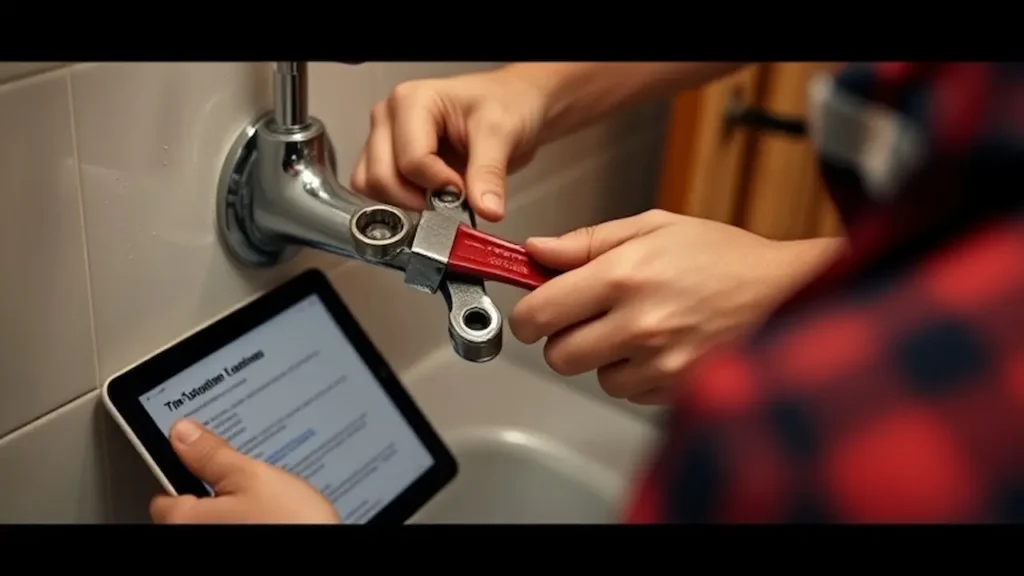
    For minor repairs, watch tutorials online and try DIY solutions instead of hiring professionals. This applies to tasks like painting, cleaning, and simple fixes.

    Beauty and Personal Care

    Opt for at-home alternatives to salon services, such as haircuts, manicures, or spa treatments. You’ll save money and enjoy the satisfaction of doing it yourself.

    Embrace DIY Solutions, Home Repairs and Maintenance, Beauty and Personal Care
    Embrace DIY Solutions, Home Repairs and Maintenance, Beauty and Personal Care

    11. Avoid Late Fees

    Set Up Auto-Pay

    Schedule automatic payments for recurring bills to avoid late fees and maintain a good credit score.

    Use Reminders

    If you prefer manual payments, set reminders on your phone or calendar to ensure you never miss a due date.

    Avoid Late Fees, Set Up Auto-Pay, Use Reminders
    Avoid Late Fees, Set Up Auto-Pay, Use Reminders

    12. Share Expenses

    Carpool or Share Rides

    Reduce transportation costs by carpooling with coworkers or using ride-sharing apps. This is especially effective for daily commutes.

    Split Memberships

    Share subscriptions like Netflix or Spotify with friends or family members to lower individual costs.

    Share Expenses, Carpool or Share Rides, Split Memberships
    Share Expenses, Carpool or Share Rides, Split Memberships

    Conclusion

    Saving on monthly bills doesn’t require drastic lifestyle changes. By taking small but meaningful steps, such as cutting unnecessary expenses, negotiating better rates, and embracing energy-efficient habits, you can significantly lower your costs. These strategies not only improve your financial health but also help you build a stronger foundation for future goals. Start implementing these tips today and watch your savings grow.

  • The Top 5 Money-Saving Challenges You Should Try

    The Top 5 Money-Saving Challenges You Should Try

    Saving money can often feel daunting, but introducing a little creativity and structure can make it much more enjoyable. Money-saving challenges are an excellent way to motivate yourself to set aside cash, achieve financial goals, and build better spending habits. Here are the top five money-saving challenges you should try, tailored to different lifestyles and goals.

    1. The 52-Week Savings Challenge

    How It Works

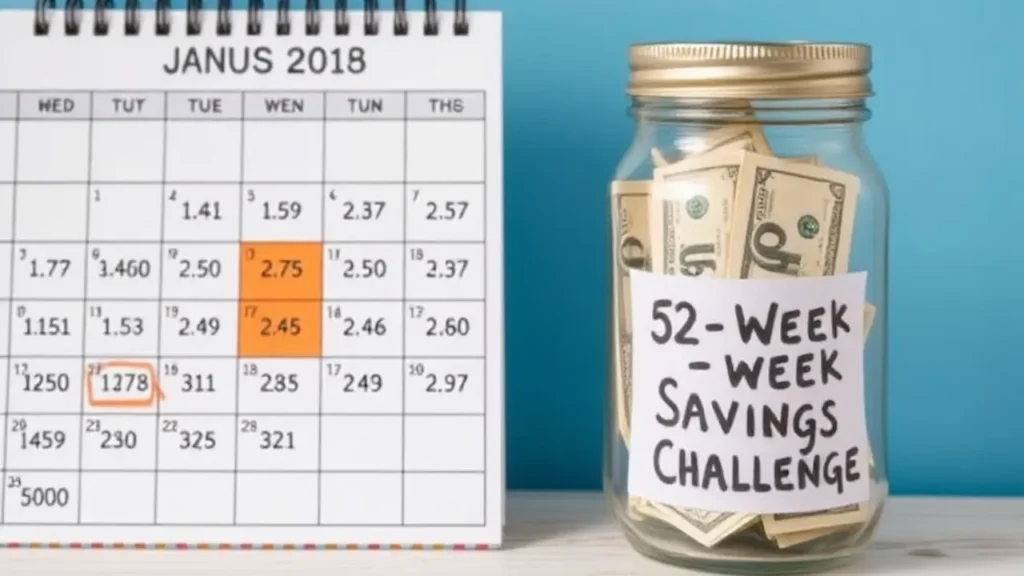
    The 52-week savings challenge is one of the most popular and straightforward methods to save. Each week, you save an amount equal to the week number of the year. For example, save $1 in week one, $2 in week two, and so on until you save $52 in the final week. By the end of the year, you’ll have $1,378.

    Why It Works

    The gradual increase makes it manageable, even for tight budgets. It’s especially helpful for those looking to save for a specific goal, like a vacation or holiday shopping.

    The 52-Week Savings Challenge, Why It Works,
    The 52-Week Savings Challenge, Why It Works,

    2. The No-Spend Challenge

    How It Works

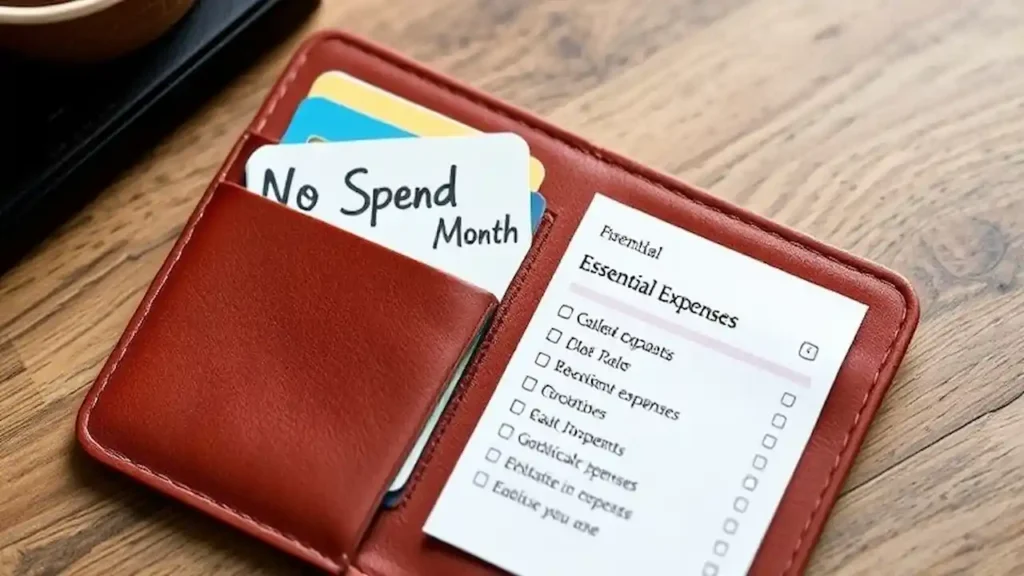
    For a set period (a week, a month, or longer), commit to spending only on essentials like food, utilities, and rent. Avoid all discretionary spending, such as dining out, entertainment, and shopping.

    Why It Works

    This challenge forces you to rethink your spending habits and differentiate between needs and wants. It’s an excellent reset for your budget and can lead to surprising savings.

    The No-Spend Challenge, How It Works, Why It Works
    The No-Spend Challenge, How It Works, Why It Works

    3. The 30-Day Savings Rule Challenge

    How It Works

    Every time you want to make a non-essential purchase, wait 30 days. During this time, evaluate whether you truly need the item or if it’s just a fleeting desire. If you still want it after 30 days, purchase it guilt-free.

    Why It Works

    This challenge helps curb impulse buying and encourages mindfulness about spending. Often, you’ll realize you didn’t need or want the item as much as you initially thought.

    The 30-Day Savings Rule Challenge, How It Works, Why It Works
    The 30-Day Savings Rule Challenge, How It Works, Why It Works

    4. The Spare Change Challenge

    How It Works

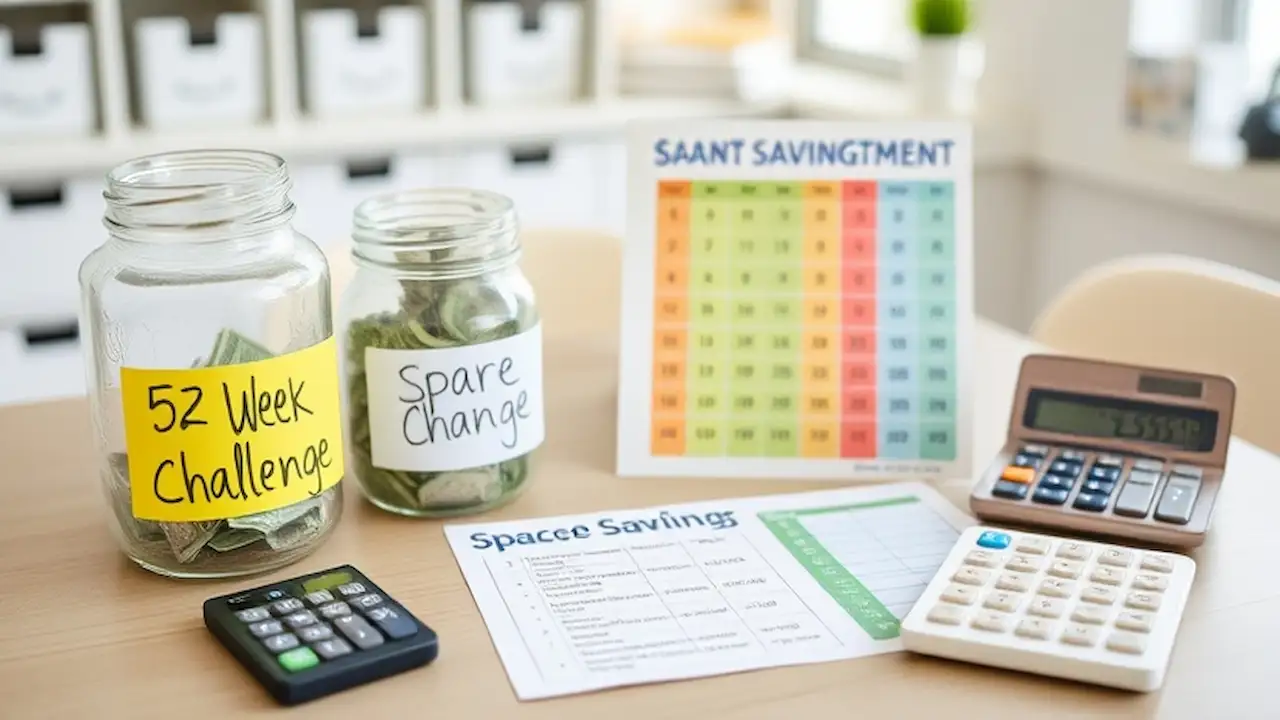
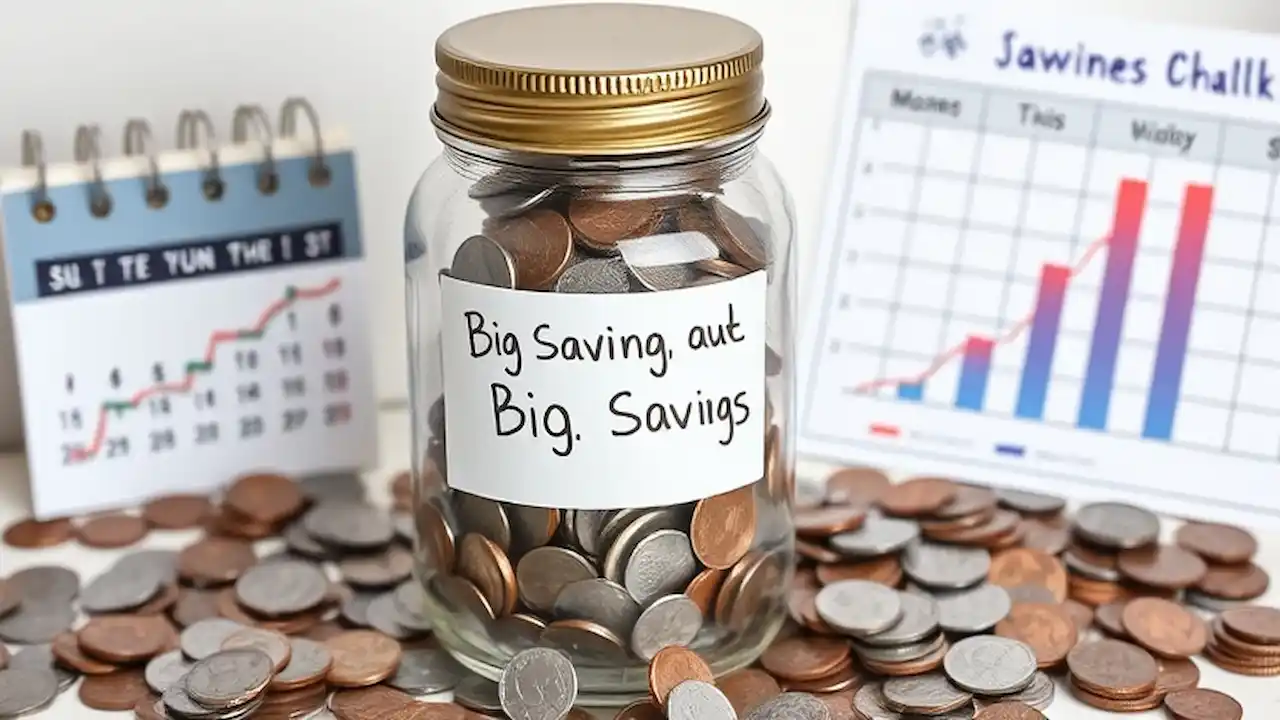
    Collect all your spare change at the end of each day and deposit it into a jar or savings account. If you mostly use cards, automate savings by rounding up each purchase to the nearest dollar and transferring the difference into savings.

    Why It Works

    Small, consistent contributions add up over time. It’s a low-effort way to save money without disrupting your budget.

    The Spare Change Challenge, How It Works, Why It Works
    The Spare Change Challenge, How It Works, Why It Works

    5. The Cash Envelope Challenge

    How It Works

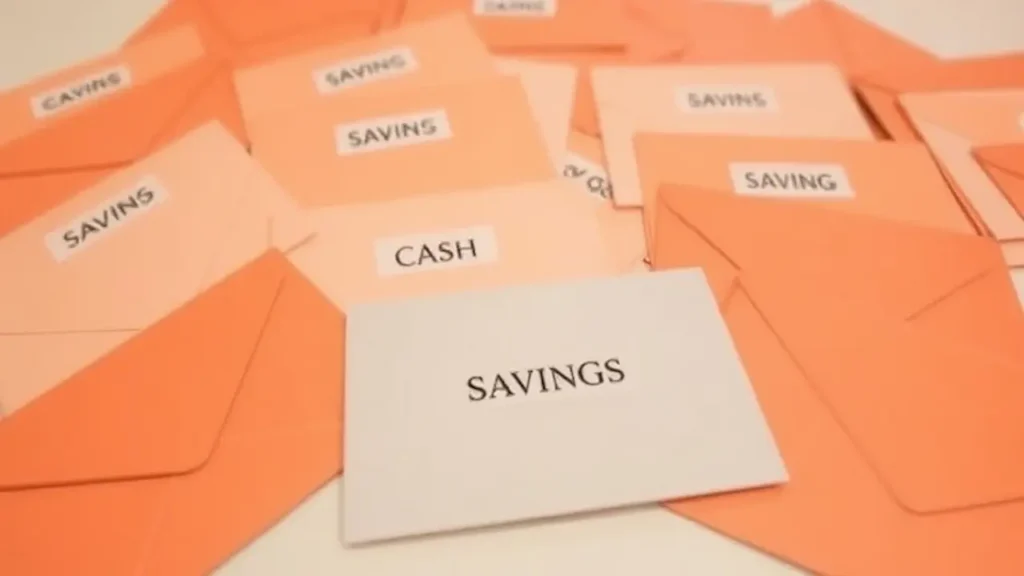
    Divide your spending categories into envelopes and allocate a set amount of cash for each one at the beginning of the month. Once an envelope is empty, you can’t spend any more in that category until the next month.

    Why It Works

    Using physical cash makes you more aware of your spending. It’s an effective way to stick to a budget and eliminate overspending.

    The Cash Envelope Challenge, How It Works, Why It Works
    The Cash Envelope Challenge, How It Works, Why It Works

    Set a Clear Goal

    Having a goal in mind, such as saving for a vacation, debt repayment, or an emergency fund, keeps you motivated throughout the challenge.

    Track Your Progress

    Use apps, spreadsheets, or physical trackers to monitor your savings. Seeing your progress visually can boost your motivation.

    Celebrate Milestones

    Reward yourself for completing parts of the challenge. The rewards don’t have to be monetary—small treats like a relaxing day off can be just as satisfying.

    Set a Clear Goal, Track Your Progress, Celebrate Milestones
    Set a Clear Goal, Track Your Progress, Celebrate Milestones

    Benefits of Money-Saving Challenges

    Improved Financial Habits

    These challenges help you develop discipline and awareness about spending. Over time, the habits you form can become second nature.

    Achieving Goals Faster

    By committing to structured saving, you can reach your financial goals more quickly and with less stress.

    Increased Confidence

    Successfully completing a challenge boosts your confidence in managing money and proves that saving is achievable.

    Benefits of Money-Saving Challenges, Improved Financial Habits, Achieving Goals Faster, Increased Confidence
    Benefits of Money-Saving Challenges, Improved Financial Habits, Achieving Goals Faster, Increased Confidence

    Conclusion

    Money-saving challenges are a fun and practical way to take control of your finances. Whether you’re just starting or looking for a fresh approach, these challenges offer simple strategies that can lead to big rewards. Choose one that aligns with your lifestyle, set your goal, and start saving today. By the end of the challenge, you’ll not only have more money but also a deeper appreciation for your financial discipline.

  • How to Save for a Big Purchase Without Stress

    How to Save for a Big Purchase Without Stress

    Saving for a big purchase can feel overwhelming, but it doesn’t have to be stressful. With careful planning, a disciplined approach, and a positive mindset, you can achieve your financial goals without putting undue pressure on yourself. Whether it’s a car, a home, or a dream vacation, this step-by-step guide will help you save for that significant expense efficiently and calmly.

    1. Define Your Goal Clearly

    Be Specific

    The first step to saving is knowing exactly what you’re saving for. Specify the item or experience, its cost, and any additional expenses involved, like taxes, shipping, or maintenance fees.

    Set a Timeline

    Determine when you want to make the purchase. A clear deadline will help you calculate how much you need to save each week or month.

    Define Your Goal Clearly, Set a Timeline,
    Define Your Goal Clearly, Set a Timeline,

    2. Break Down the Goal

    Calculate the Savings Amount

    Divide the total cost by the number of months or weeks until your target date. For example, if your goal is $10,000 in a year, you’ll need to save about $833 per month.

    Set Smaller Milestones

    Break your goal into smaller, manageable milestones. Celebrate reaching $2,000, $5,000, or other incremental achievements to stay motivated.

    Break Down the Goal, Calculate the Savings Amount, Set Smaller Milestones
    Break Down the Goal, Calculate the Savings Amount, Set Smaller Milestones

    3. Create a Dedicated Savings Account

    Open a Separate Account

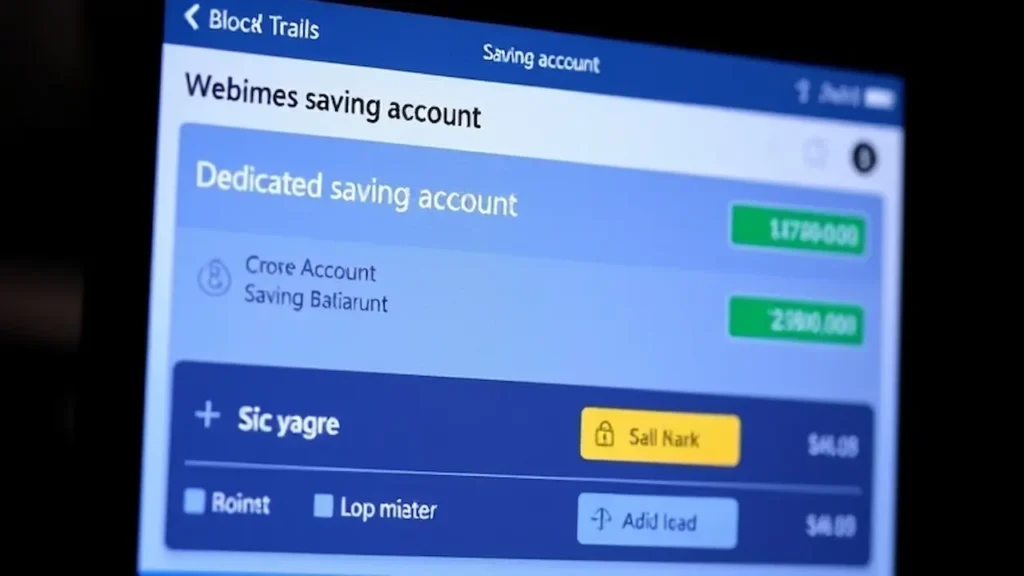
    Keep your savings for the big purchase separate from your regular funds. This reduces the temptation to spend and helps you track progress more easily.

    Use High-Interest Accounts

    Opt for a high-yield savings account to earn extra money on your deposits. Even small amounts of interest can add up over time.
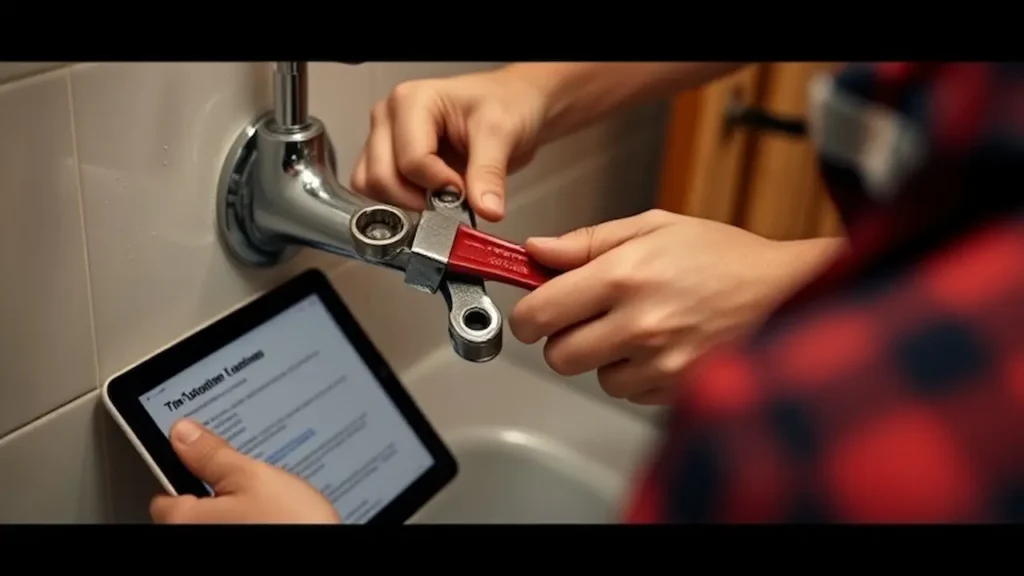
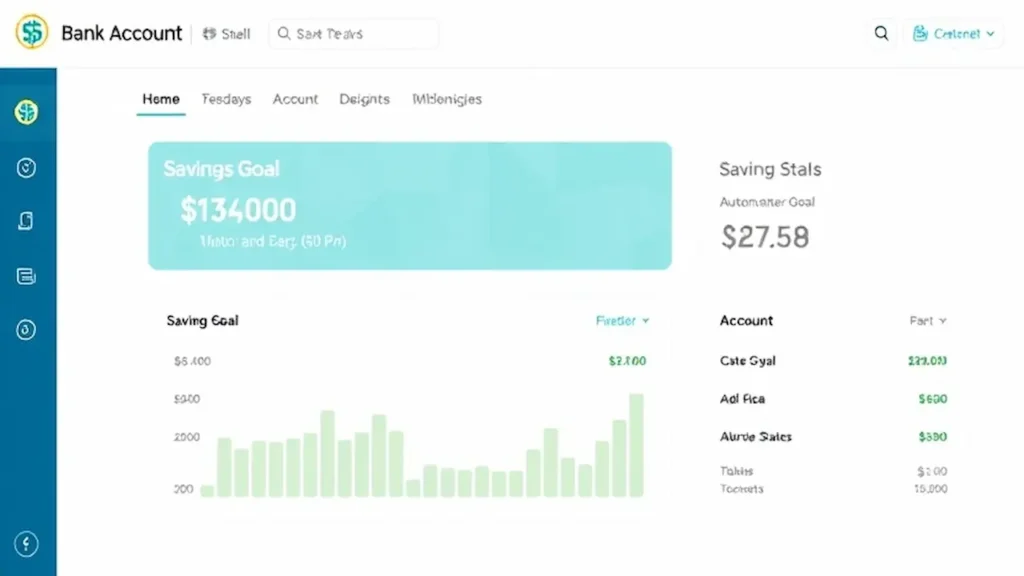
    Image Prompt: A bank account screen showing a dedicated savings account with a growing balance.

    Create a Dedicated Savings Account, Open a Separate Account, Use High-Interest Accounts
    Create a Dedicated Savings Account, Open a Separate Account, Use High-Interest Accounts

    4. Automate Your Savings

    Set Up Automatic Transfers

    Schedule automatic transfers from your main account to your savings account on payday. This ensures you consistently save without thinking about it.

    Round Up Your Purchases

    Use apps or banking features that round up purchases to the nearest dollar and deposit the difference into your savings.

    Automate Your Savings, Set Up Automatic Transfers, Round Up Your Purchases
    Automate Your Savings, Set Up Automatic Transfers, Round Up Your Purchases

    5. Adjust Your Budget

    Identify Non-Essentials

    Review your spending habits and identify areas where you can cut back, such as dining out, subscriptions or impulse buys.

    Prioritize the Goal

    Make your big purchase a priority in your budget. Allocate funds to savings before covering non-essential expenses.

    Adjust Your Budget, Identify Non-Essentials, Prioritize the Goal
    Adjust Your Budget, Identify Non-Essentials, Prioritize the Goal

    6. Find Creative Ways to Save More

    Take on a Side Hustle

    Earn extra income by freelancing, tutoring, or selling unused items. Channel all additional earnings directly into your savings.

    Sell Unwanted Items

    Declutter your home and sell items you no longer need. Online platforms like eBay or Facebook Marketplace can help you make quick cash.

    Find Creative Ways to Save More, Take on a Side Hustle, Sell Unwanted Items
    Find Creative Ways to Save More, Take on a Side Hustle, Sell Unwanted Items

    7. Avoid Unnecessary Debt

    Use Cash or Debit for Daily Expenses

    Limit credit card use to avoid accumulating debt while saving. This ensures your focus remains on building funds instead of paying off loans.

    Delay Smaller Splurges

    Postpone non-essential purchases, like new gadgets or fancy dinners, until after achieving your savings goal.

    Avoid Unnecessary Debt, Use Cash or Debit for Daily Expenses, Delay Smaller Splurges
    Avoid Unnecessary Debt, Use Cash or Debit for Daily Expenses, Delay Smaller Splurges

    8. Stay Motivated and Flexible

    Visualize Your Goal

    Keep a visual reminder of your big purchase, like a photo on your phone or a sticky note on your desk, to maintain focus.

    Be Prepared for Setbacks

    Unexpected expenses may arise. Stay flexible and adjust your savings plan as needed, but don’t lose sight of your goal.

    Stay Motivated and Flexible, Visualize Your Goal, Be Prepared for Setbacks
    Stay Motivated and Flexible, Visualize Your Goal, Be Prepared for Setbacks

    9. Take Advantage of Windfalls

    Save Unexpected Money

    Deposit bonuses, tax refunds, or gift money into your savings account instead of spending it. These windfalls can fast-track your progress.

    Cash In Rewards

    If you use a rewards credit card, redeem points for discounts or cashback and apply them toward your goal.

    Take Advantage of Windfalls, Cash In Rewards,
    Take Advantage of Windfalls, Cash In Rewards,

    10. Celebrate Achievements Along the Way

    Reward Yourself for Milestones

    As you hit smaller savings targets, treat yourself to a low-cost reward, like a favorite snack or movie night, to celebrate your discipline.

    Reflect on Your Progress

    Periodically review your savings plan to ensure you’re on track. Adjust your budget or timeline if needed to stay stress-free.

    Celebrate Achievements Along the Way, Reward Yourself for Milestones, Reflect on Your Progress
    Celebrate Achievements Along the Way, Reward Yourself for Milestones, Reflect on Your Progress

    Conclusion

    Saving for a big purchase doesn’t have to be a stressful experience. By setting clear goals, breaking them into manageable steps, and adopting smart saving habits, you can make the process enjoyable and fulfilling. Remember, every dollar you save brings you closer to your dream. Start today, and soon you’ll be celebrating your big purchase with pride and satisfaction.

  • Money-Saving Tips for Families on a Tight Budget

    Money-Saving Tips for Families on a Tight Budget

    Managing a family on a limited budget can be challenging, but with thoughtful planning and smart decisions, you can make your money stretch further without sacrificing your family’s needs. Here are practical tips to help families save money, reduce expenses, and achieve financial stability while maintaining a fulfilling lifestyle.

    1. Create a Family Budget

    Track Income and Expenses

    Start by listing all sources of income and monthly expenses. Categorize your expenses into essentials (housing, utilities, food) and non-essentials (entertainment, dining out).

    Set Spending Limits

    Assign a specific amount to each category, ensuring your family lives within your means. Include a small allowance for fun to prevent burnout.

    Create a Family Budget, Track Income and Expenses, Set Spending Limits
    Create a Family Budget, Track Income and Expenses, Set Spending Limits

    2. Meal Plan and Cook at Home

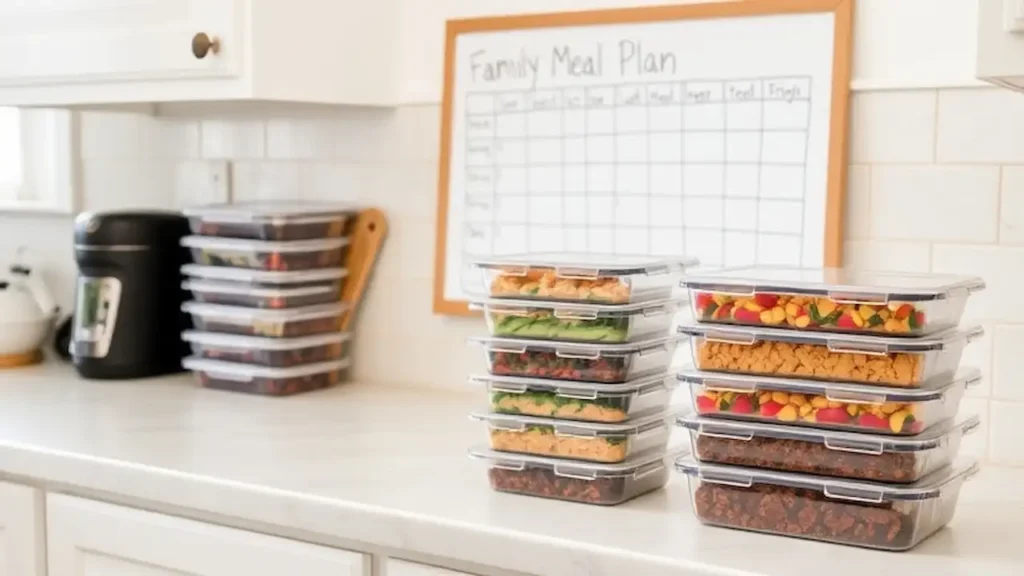
    Plan Weekly Meals

    Create a weekly meal plan based on ingredients you already have and sales at your local grocery store. This prevents impulse buys and food waste.

    Batch Cook and Freeze Meals

    Prepare meals in bulk to save time and money. Freezing portions ensures you have quick, budget-friendly meals on busy days.

    Meal Plan and Cook at Home, Plan Weekly Meals, Batch Cook and Freeze Meals
    Meal Plan and Cook at Home, Plan Weekly Meals, Batch Cook and Freeze Meals

    3. Shop Smart for Groceries

    Use Coupons and Discounts

    Take advantage of coupons, loyalty programs, and apps that offer cashback or discounts on groceries. Plan your shopping trips around these deals.

    Buy in Bulk

    Purchase non-perishable items like rice, pasta, and canned goods in bulk to save money. Be cautious about perishable items to avoid waste.

    Shop Smart for Groceries, Use Coupons and Discounts, Buy in Bulk
    Shop Smart for Groceries, Use Coupons and Discounts, Buy in Bulk

    4. Cut Utility Costs

    Conserve Energy

    Teach your family to turn off lights, unplug electronics, and use energy-efficient appliances. Small habits, like air-drying clothes or setting the thermostat lower, can lead to big savings.

    Reduce Water Usage

    Fix leaks, use low-flow faucets, and limit water usage during showers or dishwashing to lower water bills.

    Cut Utility Costs, Conserve Energy, Reduce Water Usage
    Cut Utility Costs, Conserve Energy, Reduce Water Usage

    5. Embrace DIY Projects

    Do It Yourself at Home

    Instead of hiring professionals for repairs or decorations, tackle simple tasks like painting, minor plumbing, or creating home decor yourself.

    Make Homemade Gifts

    For birthdays or holidays, create personalized gifts instead of buying expensive items. Homemade crafts and baked goods can be meaningful and cost-effective.

    Embrace DIY Projects, Do It Yourself at Home, Make Homemade Gifts
    Embrace DIY Projects, Do It Yourself at Home, Make Homemade Gifts

    6. Save on Entertainment

    Opt for Free Activities

    Look for free or low-cost activities, such as community events, library programs, or outdoor family picnics. Many cities offer free entry to museums or parks on specific days.

    Limit Subscriptions

    Evaluate your streaming, gaming, or magazine subscriptions. Cancel the ones you rarely use and stick to a few that the family enjoys the most.

    Save on Entertainment, Opt for Free Activities, Limit Subscriptions
    Save on Entertainment, Opt for Free Activities, Limit Subscriptions

    7. Save on Clothing

    Shop Second-Hand

    Buy clothes from thrift stores, consignment shops, or online resale platforms. This can save money while still providing quality items.

    Host a Clothing Swap

    Organize a clothing swap with friends or neighbors to exchange gently used clothes for free. It’s a fun and eco-friendly way to refresh wardrobes.

    Save on Clothing, Shop Second-Hand, Host a Clothing Swap
    Save on Clothing, Shop Second-Hand, Host a Clothing Swap

    8. Use Public Transportation

    Carpool or Use Transit

    Reduce fuel and maintenance costs by carpooling with other families or using public transportation. Many transit systems offer discounted family passes.

    Walk or Bike When Possible

    For nearby errands or school runs, walk or bike instead of driving. It’s cost-effective and promotes a healthier lifestyle.

    Use Public Transportation, Carpool or Use Transit, Walk or Bike When Possible
    Use Public Transportation, Carpool or Use Transit, Walk or Bike When Possible

    9. Build an Emergency Fund

    Start Small

    Even on a tight budget, save a small amount each month for emergencies. Aim for $500 as an initial goal and gradually increase it over time.

    Use Windfalls Wisely

    Tax refunds, bonuses, or unexpected money should go directly into your emergency fund or toward paying off debt.

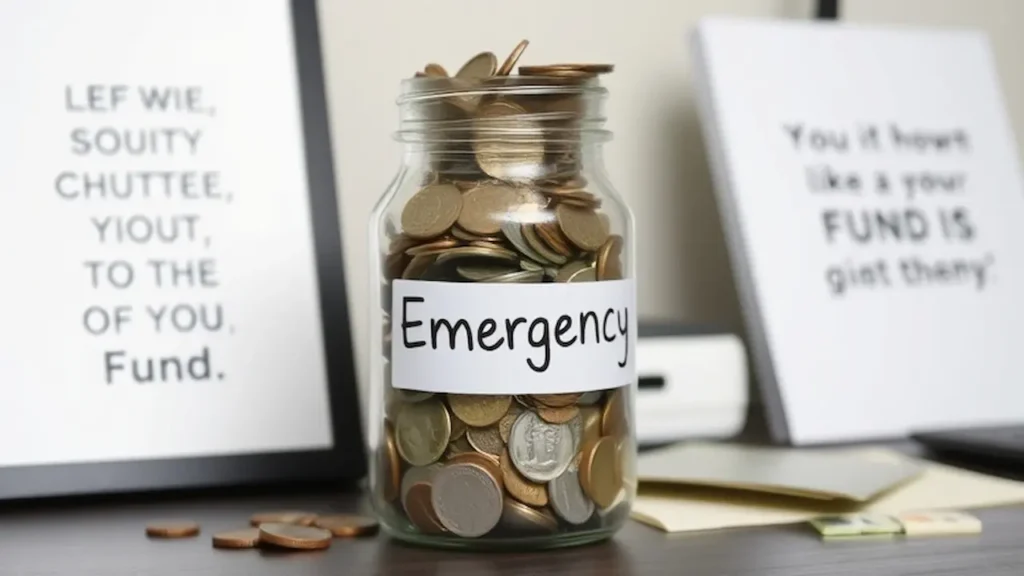
    Emergency Fund
    Emergency Fund

    10. Involve the Whole Family

    Teach Kids About Money

    Encourage children to participate in saving by giving them small tasks and rewards for budgeting their allowance. Teaching financial literacy early fosters lifelong skills.

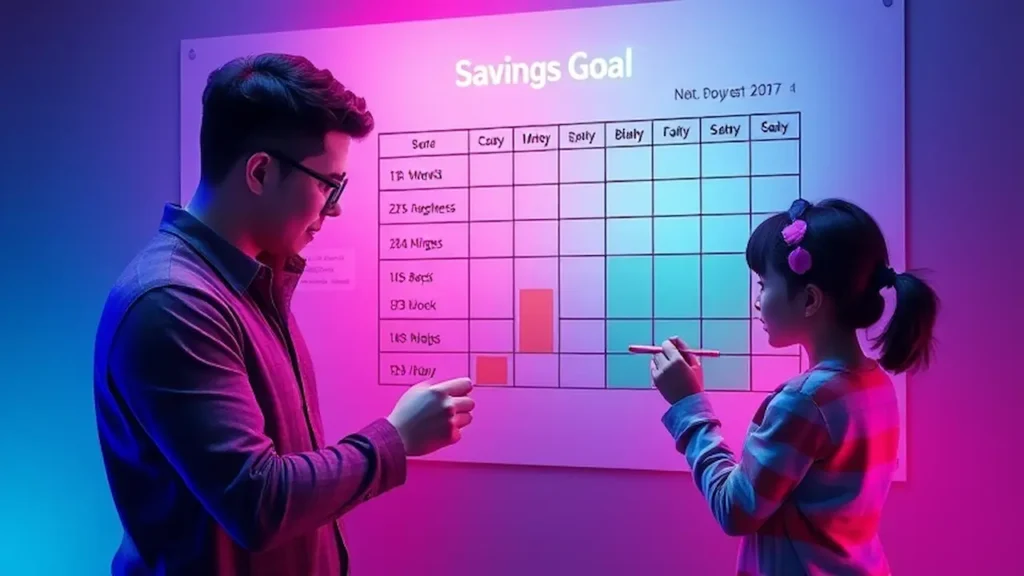
    Set Shared Goals

    Whether saving for a vacation or a big purchase, involve everyone in the process. Shared goals keep the family motivated and focused.

    Involve the Whole Family, Teach Kids About Money, Set Shared Goals
    Involve the Whole Family, Teach Kids About Money, Set Shared Goals

    11. Avoid Debt and Credit Card Overuse

    Stick to Cash for Discretionary Spending

    Limit credit card usage by using cash for categories like entertainment and dining out. This creates a natural spending cap.

    Pay Off Debt Aggressively

    Focus on paying off high-interest debts first. Use the snowball method to eliminate smaller debts, creating momentum for tackling larger ones.

    Avoid Debt and Credit Card Overuse, Stick to Cash for Discretionary Spending, Pay Off Debt Aggressively
    Avoid Debt and Credit Card Overuse, Stick to Cash for Discretionary Spending, Pay Off Debt Aggressively

    12. Shop Strategically for School Supplies

    Buy During Sales

    Purchase school supplies during back-to-school sales or stock up on items during off-seasons for discounts.

    Reuse and Repurpose

    Encourage kids to reuse leftover supplies from the previous year, such as notebooks or pens, before buying new ones.

    Shop Strategically for School Supplies, Buy During Sales, Reuse and Repurpose
    Shop Strategically for School Supplies, Buy During Sales, Reuse and Repurpose

    Conclusion

    Families on tight budgets can still enjoy a fulfilling life by adopting smart spending habits and working together to save. Small changes in daily routines, embracing frugality, and involving everyone in financial planning can lead to significant savings. Remember, every dollar saved is a step closer to financial freedom.

  • How to Save $10,000 in a Year: A Step-by-Step Plan

    How to Save $10,000 in a Year: A Step-by-Step Plan

    Saving $10,000 in a year may seem like a daunting task, but with a clear plan and consistent effort, it’s achievable for many. Whether your goal is to build an emergency fund, pay off debt, or achieve a dream purchase, breaking it down into manageable steps makes the journey less intimidating. This guide will provide practical strategies to help you reach your $10,000 savings goal within 12 months.

    1. Break Down Your Goal

    Know Your Monthly Target

    To save $10,000 in a year, divide the total by 12 months. You’ll need to save approximately $833 per month. Breaking it down further, that’s about $27.40 per day. Having these smaller targets helps keep you focused.

    Break Down Your Goal, Know Your Monthly Target
    Break Down Your Goal, Know Your Monthly Target

    Adjust for Your Income

    If $833 per month feels overwhelming, consider extending your timeline or supplementing your income with side hustles.

    2. Assess Your Current Financial Situation

    Track Your Spending

    Before creating a savings plan, track your expenses for at least a month to understand where your money goes. Identify categories where you can cut back.

    Eliminate Unnecessary Expenses

    Analyze your spending habits and pinpoint areas for reduction, such as dining out, streaming subscriptions, or impulse buys. Redirect these savings into your $10,000 fund.

    Assess Your Current Financial Situation, Track Your Spending, Eliminate Unnecessary Expenses
    Assess Your Current Financial Situation, Track Your Spending, Eliminate Unnecessary Expenses

    3. Create a Savings Plan

    Set Up a Dedicated Account

    Open a separate savings account specifically for your $10,000 goal. Choose an account with no withdrawal penalties and a high interest rate to maximize growth.

    Automate Your Savings

    Set up an automatic transfer from your checking account to your savings account on payday. Automating this step ensures consistency and reduces the temptation to spend.

    Create a Savings Plan, Set Up a Dedicated Account, Automate Your Savings
    Create a Savings Plan, Set Up a Dedicated Account, Automate Your Savings

    4. Cut Expenses Strategically

    Downsize Your Lifestyle

    Consider downsizing your living arrangements, cooking at home, or using public transport to save money. Small changes in daily habits can lead to significant savings over time.
    Embrace the 30-Day Rule

    If you’re tempted to make a non-essential purchase, wait 30 days. This practice reduces impulse spending and helps prioritize savings.

    Cut Expenses Strategically, Downsize Your Lifestyle, Embrace the 30-Day Rule
    Cut Expenses Strategically, Downsize Your Lifestyle, Embrace the 30-Day Rule

    5. Increase Your Income

    Take on a Side Hustle

    Look for additional income opportunities like freelancing, tutoring, or selling handmade crafts. Even an extra $100-$200 per week can make a big difference in reaching your goal.

    Sell Unused Items

    Declutter your home and sell items you no longer need on platforms like eBay, Facebook Marketplace, or Craigslist.

    Increase Your Income, Take on a Side Hustle, Sell Unused Items
    Increase Your Income, Take on a Side Hustle, Sell Unused Items

    6. Optimize Your Budget

    Use the Zero-Based Budget

    Allocate every dollar of your income a specific purpose, ensuring there’s no unaccounted money. Include your savings goal in this plan to prioritize it.

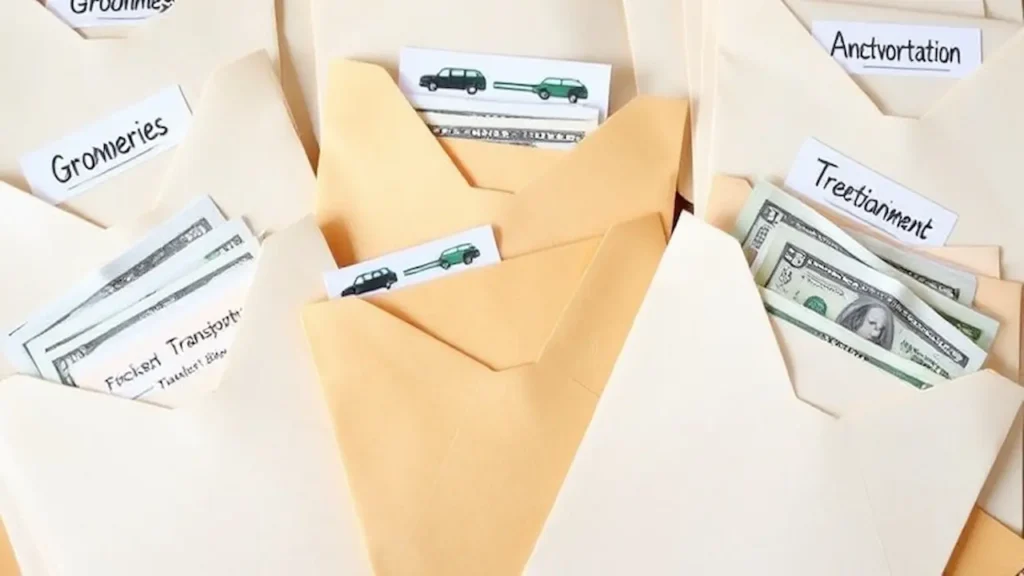
    Adopt the Envelope Method

    Use cash envelopes for discretionary spending categories like groceries and entertainment. Once the envelope is empty, stop spending for that category.

    Optimize Your Budget, Use the Zero-Based Budget, Adopt the Envelope Method
    Optimize Your Budget, Use the Zero-Based Budget, Adopt the Envelope Method

    7. Reduce Debt

    Pay Off High-Interest Debt

    Focus on reducing or eliminating debts with high interest rates, as they can eat into your potential savings. Consider consolidating debts to lower monthly payments.

    Negotiate Lower Rates

    Contact creditors or service providers to negotiate lower interest rates or discounts, freeing up more money for savings.

    Reduce Debt, Pay Off High-Interest Debt, Negotiate Lower Rates
    Reduce Debt, Pay Off High-Interest Debt, Negotiate Lower Rates

    8. Make Smart Lifestyle Changes

    Practice Frugality

    Find low-cost alternatives to expensive habits. For example, replace gym memberships with outdoor workouts or use free streaming services instead of cable TV.

    Find Free Entertainment

    Seek out free or low-cost entertainment options, such as community events, public parks, or DIY activities at home.

    Make Smart Lifestyle Changes, Practice Frugality, Find Free Entertainment
    Make Smart Lifestyle Changes, Practice Frugality, Find Free Entertainment

    9. Leverage Windfalls

    Save Bonuses and Tax Refunds

    If you receive unexpected windfalls, like a work bonus or tax refund, deposit them directly into your savings account instead of spending them.

    Participate in Cashback and Rewards Programs

    Use cashback apps, rewards credit cards, or loyalty programs to earn additional money or discounts on purchases.

    Leverage Windfalls, Save Bonuses and Tax Refunds, Participate in Cashback and Rewards Programs
    Leverage Windfalls, Save Bonuses and Tax Refunds, Participate in Cashback and Rewards Programs

    10. Track Your Progress and Stay Motivated

    Monitor Your Savings

    Regularly check your savings account balance to track your progress. Visual reminders, such as a savings thermometer chart, can help keep you motivated.

    Reward Small Milestones

    Celebrate smaller achievements, like reaching $2,500 or $5,000. Choose rewards that align with your goals, like a small treat or a no-cost indulgence.

    Track Your Progress and Stay Motivated, Monitor Your Savings, Reward Small Milestones
    Track Your Progress and Stay Motivated, Monitor Your Savings, Reward Small Milestones

    Conclusion

    Saving $10,000 in a year is an ambitious but achievable goal with the right mindset and plan. By breaking down your goal, reducing expenses, boosting income, and staying disciplined, you can build a substantial financial cushion. Remember, consistency is key. Start today, and you’ll be amazed at how quickly your savings grow.

  • The Best Budgeting Apps for Managing Your Finances

    The Best Budgeting Apps for Managing Your Finances

    Managing your finances has never been easier, thanks to the wide variety of budgeting apps available today. Whether you’re saving for a specific goal, tracking daily expenses, or planning for retirement, the right app can help you stay organized and make informed decisions about your money. This guide explores some of the best budgeting apps, their features, and how they can help you take control of your financial life.

    Why Use Budgeting Apps?

    Budgeting apps simplify the process of managing your money. They allow you to track expenses, categorize spending, set savings goals, and even automate certain financial tasks. Unlike traditional spreadsheets, these apps often provide visual insights and alerts that make budgeting more interactive and user-friendly.

    Why Use Budgeting Apps?
    Mint: All-in-One Budgeting Solution

    1. Mint: All-in-One Budgeting Solution

    Overview

    Mint is a free, comprehensive budgeting app that connects to your bank accounts, credit cards, and bills. It automatically categorizes your transactions, tracks your spending, and provides personalized tips to help you save money.

    Key Features

    • Syncs with multiple accounts for real-time updates.
    • Tracks and categorizes expenses automatically.
    • Provides alerts for bill payments and budget overspending.
    • Offers credit score monitoring.

    Why It’s Great: Mint is perfect for beginners and those who want a complete overview of their financial situation without spending a dime.

    Mint: All-in-One Budgeting Solution
    Mint: All-in-One Budgeting Solution

    2. You Need a Budget (YNAB): For Proactive Budgeting

    Overview

    YNAB is designed to help you build a proactive budget. Based on the zero-based budgeting system, it encourages you to assign every dollar a job, whether it’s paying bills, saving, or investing. YNAB offers a 34-day free trial, followed by a subscription fee.

    Key Features

    • Helps you plan future spending instead of reacting to past expenses.
    • Syncs with bank accounts for accurate tracking.
    • Provides in-depth tutorials for new users.
    • Offers goal-setting features and progress tracking.

    Why It’s Great: YNAB is ideal for those who want to dig deep into their finances and take a hands-on approach to budgeting.

    You Need a Budget (YNAB): For Proactive Budgeting
    You Need a Budget (YNAB): For Proactive Budgeting

    3. PocketGuard: Prevent Overspending

    Overview

    PocketGuard is a user-friendly app designed to prevent overspending. It calculates how much “safe-to-spend” money you have after accounting for bills, goals, and necessities.

    Key Features

    • Simplifies budgeting with its “safe-to-spend” feature.
    • Tracks subscriptions and recurring expenses.
    • Helps identify areas where you can cut costs.
    • Allows customization for specific financial goals.

    Why It’s Great: PocketGuard is perfect for people who struggle with overspending and want a simple way to manage day-to-day finances.

    PocketGuard: Prevent Overspending
    PocketGuard: Prevent Overspending

    4. Goodbudget: The Modern Envelope System

    Overview

    Goodbudget is based on the envelope budgeting method, where you allocate funds to virtual envelopes for different spending categories. It’s great for couples or families who want to share a budget.

    Key Features

    • Envelope system for clear budget allocation.
    • Allows multiple devices to share one budget.
    • Offers detailed reports and spending analysis.
    • Syncs manually or through file imports.
    Goodbudget: The Modern Envelope System
    Goodbudget: The Modern Envelope System

    5. Personal Capital: Focus on Wealth Building

    Overview

    Personal Capital combines budgeting with investment tracking, making it an excellent choice for those focused on growing their wealth. It provides tools to track your spending, net worth, and retirement goals.

    Key Features

    • Tracks spending and income.
    • Monitors investments and calculates net worth.
    • Provides retirement planning tools.
    • Offers financial advisory services (premium feature).

    Why It’s Great: Personal Capital is best suited for users who want to budget and manage their investments in one place.

    Personal Capital: Focus on Wealth Building
    Personal Capital: Focus on Wealth Building

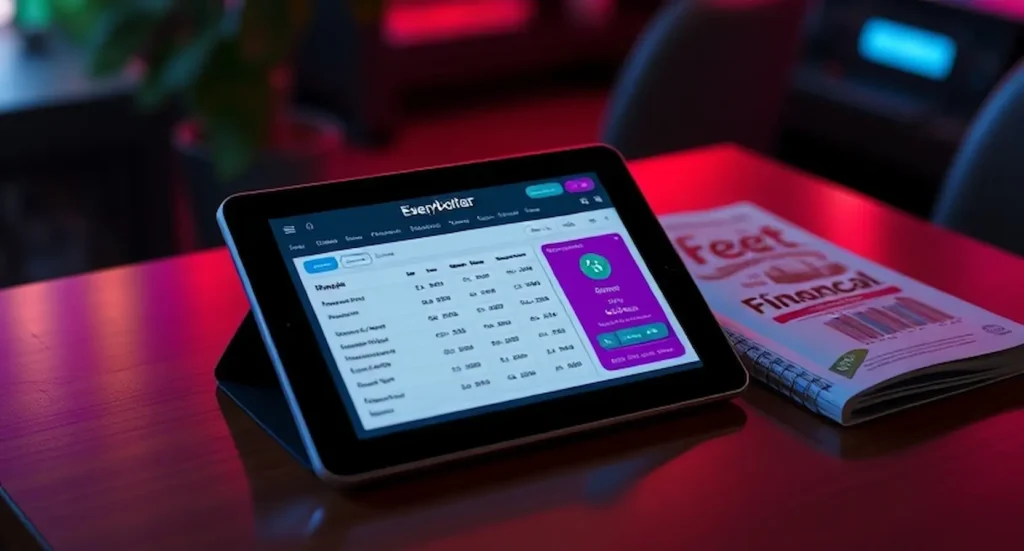
    6. EveryDollar: Simple and Intuitive Budgeting

    Overview

    EveryDollar, developed by financial expert Dave Ramsey, is a straightforward app based on zero-based budgeting. The free version offers manual tracking, while the premium version syncs with your accounts.

    Key Features

    • Zero-based budgeting for maximum control.
    • User-friendly interface with drag-and-drop features.
    • Allows you to customize categories and goals.
    • Integrates with Ramsey+ for additional financial tools.

    Why It’s Great: EveryDollar is excellent for those following Dave Ramsey’s Baby Steps or seeking a simple budgeting app with a minimal learning curve.

    EveryDollar: Simple and Intuitive Budgeting
    EveryDollar: Simple and Intuitive Budgeting

    7. Spendee: For Collaborative Budgeting

    Overview

    Spendee is a visually appealing app that allows you to create shared wallets for group budgeting. It’s great for couples, roommates, or families who want to manage finances together.

    Key Features

    • Shared wallets for collaborative budgets.
    • Customizable spending categories.
    • Visual insights with graphs and charts.
    • Tracks cash and bank account transactions.

    Why It’s Great: Spendee is perfect for those who need to manage shared expenses, such as household bills or group travel budgets.

    Spendee: For Collaborative Budgeting
    Spendee: For Collaborative Budgeting

    How to Choose the Right Budgeting App

    1. Assess Your Needs

    Consider whether you need an app for basic expense tracking, collaborative budgeting, or investment management.

    2. Compare Features

    Look for features that align with your goals, such as savings automation, subscription tracking, or detailed reports.

    3. Test Free Versions

    Many apps offer free trials or basic plans. Test a few to see which one fits your style and preferences.

    4. Check Compatibility

    Ensure the app syncs with your bank accounts and works on your preferred devices.

    Conclusion

    Budgeting apps have revolutionized how we manage money. From simple expense trackers to comprehensive financial management tools, there’s an app for everyone. By choosing the right app, you can streamline your finances, achieve your goals, and take control of your financial future.

  • How to Stick to Your Budget and Avoid Overspending

    How to Stick to Your Budget and Avoid Overspending

    Creating a budget is an essential step toward financial stability, but sticking to it can be challenging. Temptations, unexpected expenses, and emotional spending often derail even the best-laid plans. However, with the right strategies and mindset, you can maintain control of your finances and avoid overspending. This guide will explore practical tips to help you stay on track with your budget and achieve your financial goals.

    Why Sticking to a Budget is Crucial

    A budget serves as a roadmap for managing your money. It helps you allocate resources to essential expenses, savings, and discretionary spending while ensuring you avoid debt. By sticking to your budget, you create financial stability and work toward long-term goals like buying a home, building an emergency fund, or enjoying a secure retirement.

    1. Understand Your Spending Triggers

    Overspending often stems from emotional or impulsive decisions. Identifying your spending triggers can help you stay mindful. Common triggers include stress, boredom, and social pressures. Keep a journal to track instances when you overspend and note the emotions or situations involved.

    A thoughtful individual sitting at a desk jotting notes in a journal labeled Spending Triggers with a coffee mug and budget planner nearby
    A thoughtful individual sitting at a desk jotting notes in a journal labeled Spending Triggers with a coffee mug and budget planner nearby

    2. Set Clear Financial Goals

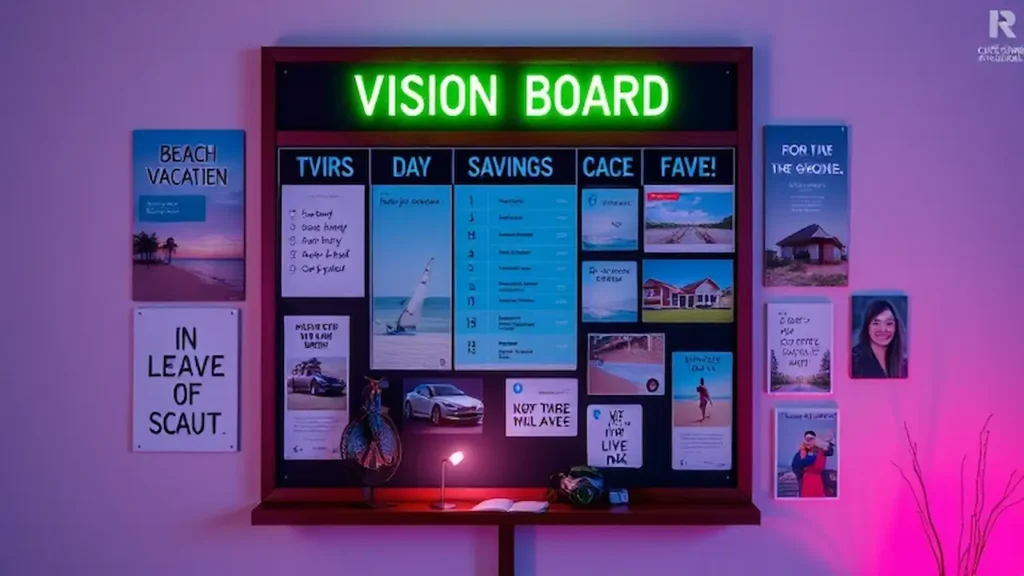
    Having specific, measurable goals provides motivation to stick to your budget. Instead of vague goals like “save money,” define clear objectives such as “save $5,000 for a vacation by next year.” Break your goals into smaller milestones and celebrate achievements along the way.

    A vision board on a wall featuring savings goals like a beach vacation a new car and a house surrounded by motivational quotes and pictures
    A vision board on a wall featuring savings goals like a beach vacation a new car and a house surrounded by motivational quotes and pictures

    3. Automate Your Finances

    Automation simplifies budgeting and helps prevent overspending. Set up automatic bill payments and savings transfers to ensure you meet your obligations first. When savings are deducted automatically, you’re less likely to spend that money impulsively.

    Automate Your Finances
    Automate Your Finances

    4. Use Cash or Prepaid Cards for Discretionary Spending

    Limiting discretionary spending to cash or a prepaid card makes it easier to stay within your budget. When the cash is gone, you’ve hit your limit for that category. This tangible method helps you think twice about unnecessary purchases.

    A wallet with labeled cash envelopes for categories like Dining Out and Entertainment alongside a prepaid card on a wooden table
    Use Cash or Prepaid Cards for Discretionary Spending

    5. Track Every Expense

    Tracking expenses is key to understanding where your money goes. Use budgeting apps like Mint, YNAB, or Excel spreadsheets to log all transactions. Review your spending weekly to ensure you’re on track.

    A laptop screen displaying a colorful expense-tracking spreadsheet, with a notepad and pen beside it
    Track Every Expense

    6. Avoid Temptations

    Stay away from situations that encourage overspending. Unsubscribe from promotional emails, unfollow social media accounts that tempt you to shop, and limit visits to malls or online stores. Focus on planned purchases rather than impulsive ones.

    A person sitting at a computer hovering over an Unsubscribe button in an email inbox filled with promotional offers
    Avoid Temptations

    7. Practice the 24-Hour Rule

    When you’re tempted to make an unplanned purchase, wait 24 hours before buying. This cooling-off period gives you time to evaluate whether the item is truly necessary. Often, the desire to buy fades with time.

    A sticky note on a computer screen with the text Wait 24 Hours Before Buying in bold letters
    Practice the 24-Hour Rule

    8. Prioritize Needs Over Wants

    Distinguish between essential expenses and non-essential ones. Before purchasing, ask yourself if the item is a need or a want. Focus on fulfilling your needs first, and allocate a smaller portion of your budget to wants.

    A scale balancing two labeled boxes - one reading Needs with groceries and bills and the other reading Wants with gadgets and luxury items
    Prioritize Needs Over Wants

    9. Review and Adjust Your Budget Regularly

    Life circumstances change, and your budget should reflect that. Review your budget monthly to account for changes in income, expenses, or goals. Adjusting your plan ensures it remains realistic and effective.

    Review and Adjust Your Budget Regularly
    Review and Adjust Your Budget Regularly

    10. Use Positive Reinforcement

    Reward yourself for staying on track with your budget. Small, planned rewards, like treating yourself to a coffee or a movie night, can boost your motivation without derailing your financial plan.

    Use Positive Reinforcement
    Use Positive Reinforcement

    11. Build an Emergency Fund

    An emergency fund prevents unexpected expenses from derailing your budget. Aim to save 3-6 months’ worth of living expenses. Having a financial cushion reduces stress and makes it easier to stick to your plan during tough times.

    Build an Emergency Fund
    Build an Emergency Fund

    12. Surround Yourself with Support

    Share your budgeting goals with trusted friends or family members. They can offer encouragement, hold you accountable, and even join you in adopting frugal habits. Financial challenges become easier to manage with a support system.

    Conclusion

    Sticking to a budget and avoiding overspending requires discipline, planning, and a bit of creativity. By understanding your spending triggers, setting clear goals, and using tools like automation and expense tracking, you can take control of your finances while still enjoying life. Start small, stay consistent, and remember that financial success is a journey, not a sprint.

  • Budget Hacks: Save More Without Sacrificing Fun

    Budget Hacks: Save More Without Sacrificing Fun

    Saving money doesn’t have to mean giving up everything you enjoy. With a few smart hacks, you can cut costs while still indulging in your favorite activities and experiences. Whether you’re aiming to save for a specific goal or just want to boost your financial health, these budget-friendly tips will help you keep more money in your pocket without compromising on fun.

    Why Smart Budgeting Matters

    Budgeting isn’t just about limiting spending—it’s about making conscious decisions about where your money goes. By finding creative ways to save, you can strike the perfect balance between financial responsibility and enjoying life. These hacks will empower you to live well while working toward your financial goals.

    Smart Hacks for Everyday Savings

    1. Embrace Meal Prep and DIY Cooking

    Eating out frequently can drain your wallet. Instead, dedicate one day a week to meal prep. Cook large batches of your favorite meals and store them for the week. Not only does this save money, but it also saves time during busy days. For special occasions, try recreating restaurant-style dishes at home—it’s cheaper and can be a fun activity.

    2. Use Cashback and Rewards Programs

    Maximize the value of your purchases by signing up for cashback credit cards or apps. Platforms like Rakuten, Honey, or Swagbucks offer discounts and rewards on everyday spending. Combine these with loyalty programs for additional savings on groceries, dining, and travel.

    3. Cut the Cord: Streaming Over Cable

    Switching from traditional cable to streaming services can save hundreds annually. Opt for one or two streaming platforms and rotate subscriptions to keep things fresh. Many services offer free trials, allowing you to enjoy content without paying.

    4. Host Budget-Friendly Social Events

    Instead of expensive nights out, host gatherings at home. Potluck dinners, game nights, or movie marathons can be just as entertaining and cost a fraction of the price. Set a theme to make the event feel special without overspending.

    Travel and Entertainment on a Budget

    5. Plan Staycations

    Exploring your local area can be just as exciting as traveling far. Look for free or low-cost activities like hiking trails, community events, or local museums. Staycations save on travel expenses while still offering a break from routine.

    6. Book Travel During Off-Peak Times

    If you love traveling, plan trips during off-peak seasons to save on flights, accommodations, and activities. Use fare comparison websites like Skyscanner or Hopper to find the best deals. Flexibility with travel dates can lead to significant savings.

    7. Use Free or Discounted Entertainment Options

    Take advantage of free concerts, outdoor movie screenings, or discounted theater nights. Libraries and community centers often host free workshops, events, or classes. Websites like Groupon or Eventbrite can also help you find affordable activities.

    Shopping and Everyday Expenses

    8. Master the Art of Thrifting

    Thrift stores and second-hand shops are treasure troves for unique and affordable finds. From clothing to furniture, you can save significantly by opting for pre-loved items. Online platforms like Poshmark, Depop, and Facebook Marketplace are also great for scoring deals.

    9. Switch to Generic Brands

    When shopping for groceries or household items, choose generic brands instead of name brands. Most generic products offer the same quality at a lower price. Over time, this small switch can lead to substantial savings.

    10. Set Spending Limits for Impulse Buys

    To avoid overspending, establish a 24-hour rule for non-essential purchases. Wait a day before buying anything unplanned. Often, the urge to buy will pass, saving you from unnecessary expenses.

    Maximizing Savings Without Cutting Fun

    11. Leverage Coupons and Promo Codes

    Before making any purchase, search for coupons or promo codes online. Browser extensions like Honey or Capital One Shopping automatically apply discounts at checkout, ensuring you never pay full price.

    12. Share Costs with Friends

    Split the cost of subscriptions, memberships, or bulk purchases with friends or family. For example, share streaming accounts or buy wholesale items together. It’s a simple way to reduce expenses while maintaining access to the things you enjoy.

    13. Swap Services or Skills

    Exchange services with friends instead of paying for them. For instance, trade babysitting for help with home repairs or offer a skill like graphic design in exchange for photography. This barter system is both cost-effective and community-building.

    Mindful Money Habits

    14. Automate Savings

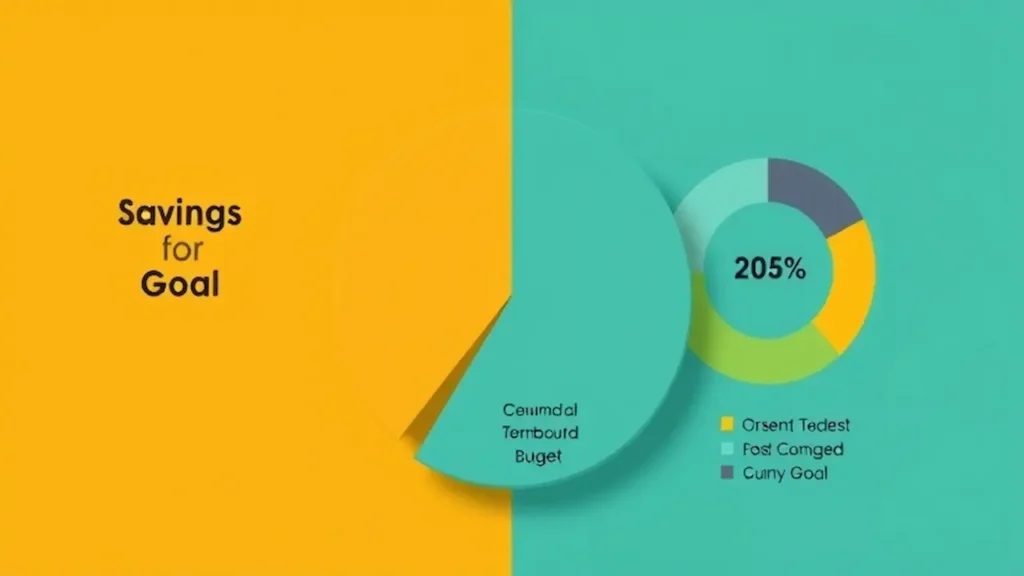
    Set up automatic transfers to your savings account each month. Treat savings as a non-negotiable expense, ensuring that you’re consistently setting money aside for future goals.

    15. Track Expenses Regularly

    Use budgeting apps like Mint or YNAB (You Need a Budget) to monitor your spending habits. Tracking your expenses helps identify areas where you can cut back without impacting your quality of life.

    16. Focus on Value Over Price

    Sometimes, the cheapest option isn’t the best value. Invest in high-quality items that last longer, such as durable clothing, appliances, or tech devices. This prevents frequent replacements and saves money in the long run.

    Conclusion

    Saving money doesn’t have to mean giving up fun and enjoyment. By incorporating these budget hacks into your lifestyle, you can strike a balance between financial responsibility and treating yourself. The key is to be intentional with your spending, prioritize experiences that matter, and find creative ways to cut costs. Start small, stay consistent, and watch your savings grow without sacrificing the joy in life.