
Creating a budget is an essential step toward financial stability, but sticking to it can be challenging. Temptations, unexpected expenses, and emotional spending often derail even the best-laid plans. However, with the right strategies and mindset, you can maintain control of your finances and avoid overspending. This guide will explore practical tips to help you stay on track with your budget and achieve your financial goals.
Why Sticking to a Budget is Crucial
A budget serves as a roadmap for managing your money. It helps you allocate resources to essential expenses, savings, and discretionary spending while ensuring you avoid debt. By sticking to your budget, you create financial stability and work toward long-term goals like buying a home, building an emergency fund, or enjoying a secure retirement.
1. Understand Your Spending Triggers
Overspending often stems from emotional or impulsive decisions. Identifying your spending triggers can help you stay mindful. Common triggers include stress, boredom, and social pressures. Keep a journal to track instances when you overspend and note the emotions or situations involved.

2. Set Clear Financial Goals
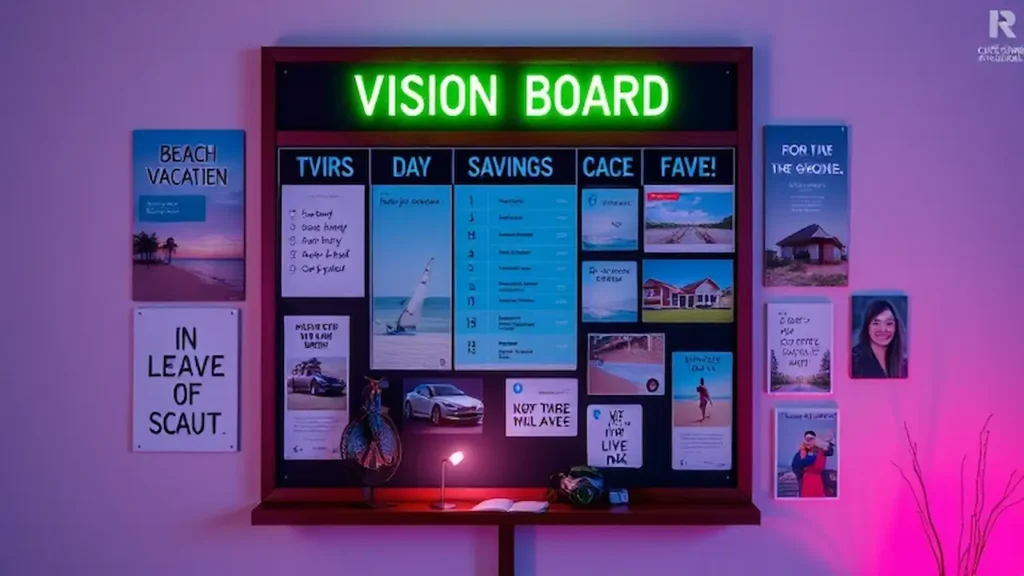
Having specific, measurable goals provides motivation to stick to your budget. Instead of vague goals like “save money,” define clear objectives such as “save $5,000 for a vacation by next year.” Break your goals into smaller milestones and celebrate achievements along the way.
3. Automate Your Finances
Automation simplifies budgeting and helps prevent overspending. Set up automatic bill payments and savings transfers to ensure you meet your obligations first. When savings are deducted automatically, you’re less likely to spend that money impulsively.

4. Use Cash or Prepaid Cards for Discretionary Spending
Limiting discretionary spending to cash or a prepaid card makes it easier to stay within your budget. When the cash is gone, you’ve hit your limit for that category. This tangible method helps you think twice about unnecessary purchases.

5. Track Every Expense
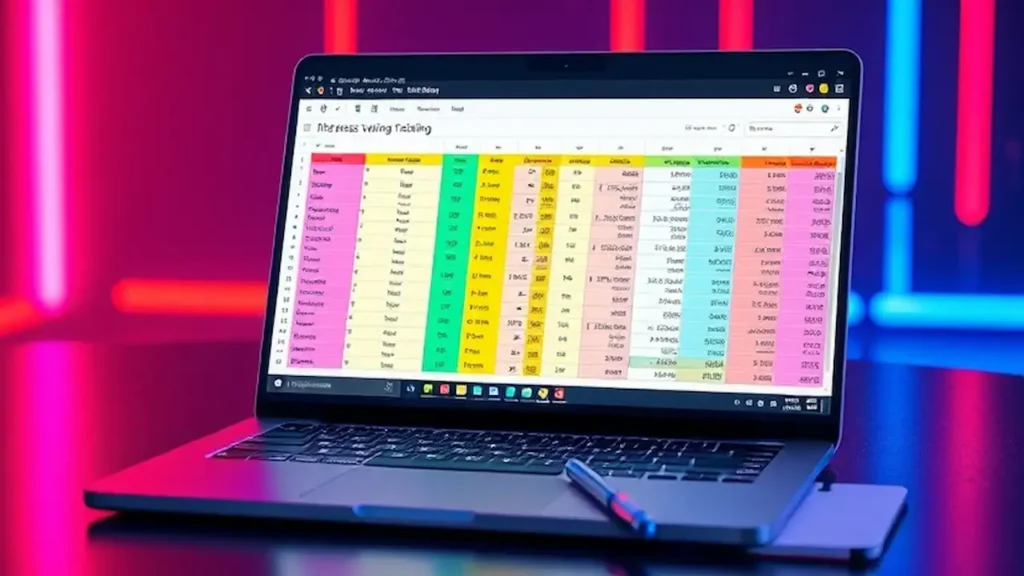
Tracking expenses is key to understanding where your money goes. Use budgeting apps like Mint, YNAB, or Excel spreadsheets to log all transactions. Review your spending weekly to ensure you’re on track.
6. Avoid Temptations
Stay away from situations that encourage overspending. Unsubscribe from promotional emails, unfollow social media accounts that tempt you to shop, and limit visits to malls or online stores. Focus on planned purchases rather than impulsive ones.

7. Practice the 24-Hour Rule
When you’re tempted to make an unplanned purchase, wait 24 hours before buying. This cooling-off period gives you time to evaluate whether the item is truly necessary. Often, the desire to buy fades with time.

8. Prioritize Needs Over Wants
Distinguish between essential expenses and non-essential ones. Before purchasing, ask yourself if the item is a need or a want. Focus on fulfilling your needs first, and allocate a smaller portion of your budget to wants.

9. Review and Adjust Your Budget Regularly
Life circumstances change, and your budget should reflect that. Review your budget monthly to account for changes in income, expenses, or goals. Adjusting your plan ensures it remains realistic and effective.

10. Use Positive Reinforcement
Reward yourself for staying on track with your budget. Small, planned rewards, like treating yourself to a coffee or a movie night, can boost your motivation without derailing your financial plan.

11. Build an Emergency Fund
An emergency fund prevents unexpected expenses from derailing your budget. Aim to save 3-6 months’ worth of living expenses. Having a financial cushion reduces stress and makes it easier to stick to your plan during tough times.

12. Surround Yourself with Support
Share your budgeting goals with trusted friends or family members. They can offer encouragement, hold you accountable, and even join you in adopting frugal habits. Financial challenges become easier to manage with a support system.
Conclusion
Sticking to a budget and avoiding overspending requires discipline, planning, and a bit of creativity. By understanding your spending triggers, setting clear goals, and using tools like automation and expense tracking, you can take control of your finances while still enjoying life. Start small, stay consistent, and remember that financial success is a journey, not a sprint.
Leave a Reply