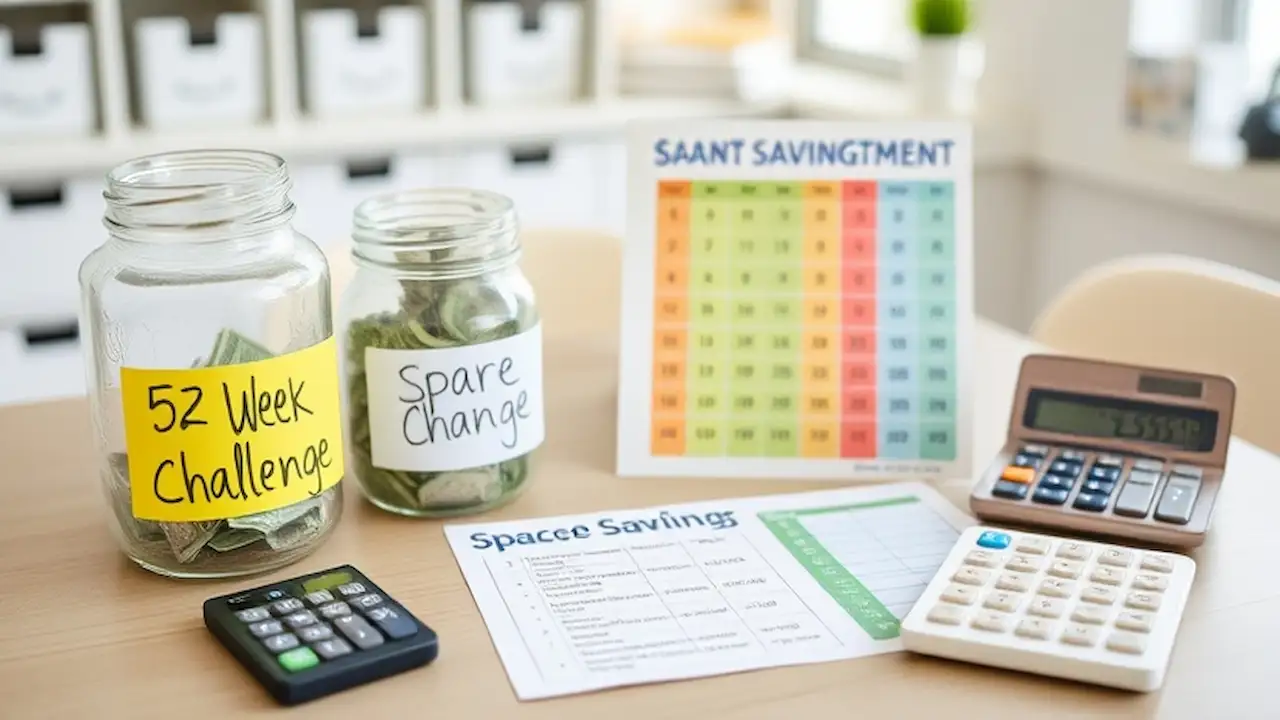
Saving money can often feel daunting, but introducing a little creativity and structure can make it much more enjoyable. Money-saving challenges are an excellent way to motivate yourself to set aside cash, achieve financial goals, and build better spending habits. Here are the top five money-saving challenges you should try, tailored to different lifestyles and goals.
1. The 52-Week Savings Challenge
How It Works
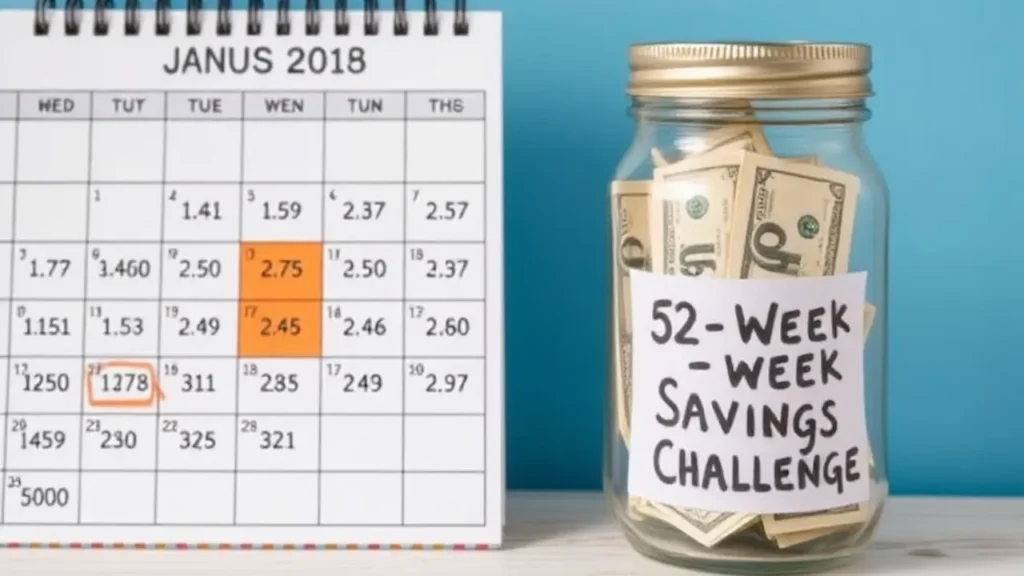
The 52-week savings challenge is one of the most popular and straightforward methods to save. Each week, you save an amount equal to the week number of the year. For example, save $1 in week one, $2 in week two, and so on until you save $52 in the final week. By the end of the year, you’ll have $1,378.
Why It Works
The gradual increase makes it manageable, even for tight budgets. It’s especially helpful for those looking to save for a specific goal, like a vacation or holiday shopping.
2. The No-Spend Challenge
How It Works
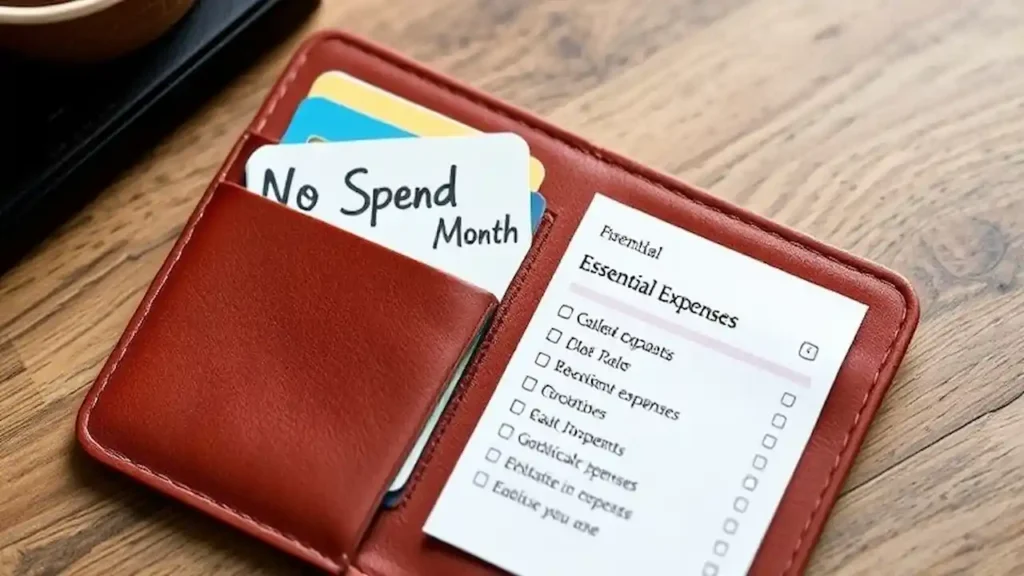
For a set period (a week, a month, or longer), commit to spending only on essentials like food, utilities, and rent. Avoid all discretionary spending, such as dining out, entertainment, and shopping.
Why It Works
This challenge forces you to rethink your spending habits and differentiate between needs and wants. It’s an excellent reset for your budget and can lead to surprising savings.
3. The 30-Day Savings Rule Challenge
How It Works
Every time you want to make a non-essential purchase, wait 30 days. During this time, evaluate whether you truly need the item or if it’s just a fleeting desire. If you still want it after 30 days, purchase it guilt-free.
Why It Works
This challenge helps curb impulse buying and encourages mindfulness about spending. Often, you’ll realize you didn’t need or want the item as much as you initially thought.

4. The Spare Change Challenge
How It Works
Collect all your spare change at the end of each day and deposit it into a jar or savings account. If you mostly use cards, automate savings by rounding up each purchase to the nearest dollar and transferring the difference into savings.
Why It Works
Small, consistent contributions add up over time. It’s a low-effort way to save money without disrupting your budget.

5. The Cash Envelope Challenge
How It Works
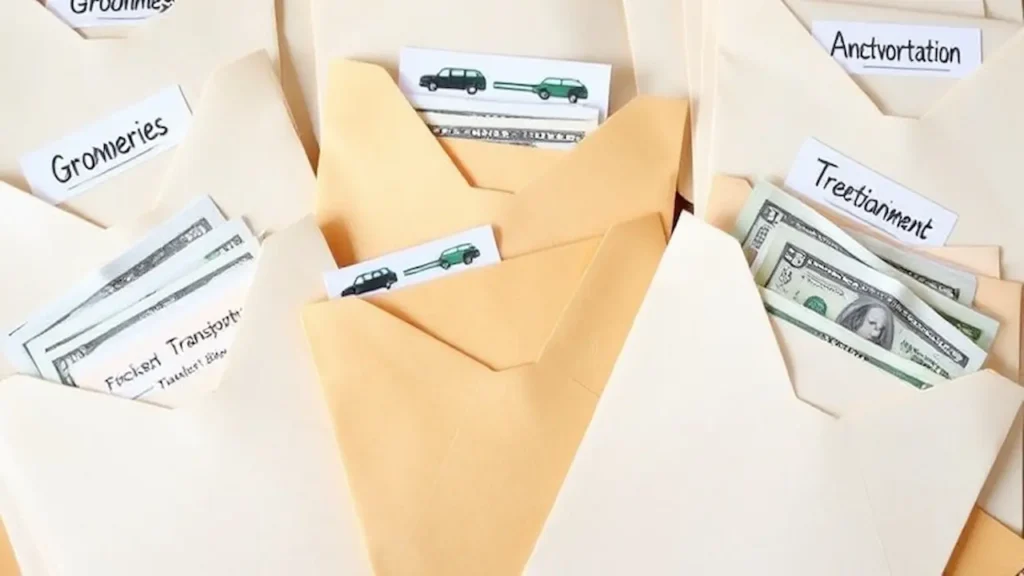
Divide your spending categories into envelopes and allocate a set amount of cash for each one at the beginning of the month. Once an envelope is empty, you can’t spend any more in that category until the next month.
Why It Works
Using physical cash makes you more aware of your spending. It’s an effective way to stick to a budget and eliminate overspending.
Set a Clear Goal
Having a goal in mind, such as saving for a vacation, debt repayment, or an emergency fund, keeps you motivated throughout the challenge.
Track Your Progress
Use apps, spreadsheets, or physical trackers to monitor your savings. Seeing your progress visually can boost your motivation.
Celebrate Milestones
Reward yourself for completing parts of the challenge. The rewards don’t have to be monetary—small treats like a relaxing day off can be just as satisfying.
Benefits of Money-Saving Challenges
Improved Financial Habits
These challenges help you develop discipline and awareness about spending. Over time, the habits you form can become second nature.
Achieving Goals Faster
By committing to structured saving, you can reach your financial goals more quickly and with less stress.
Increased Confidence
Successfully completing a challenge boosts your confidence in managing money and proves that saving is achievable.

Conclusion
Money-saving challenges are a fun and practical way to take control of your finances. Whether you’re just starting or looking for a fresh approach, these challenges offer simple strategies that can lead to big rewards. Choose one that aligns with your lifestyle, set your goal, and start saving today. By the end of the challenge, you’ll not only have more money but also a deeper appreciation for your financial discipline.
Leave a Reply